
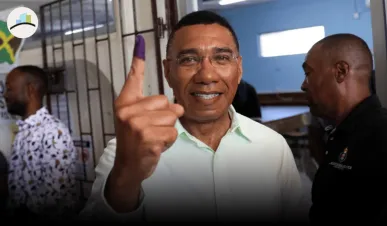
🇯🇲 Jamaica Election 2025: The Country’s Future is on the Line
Jamaica's 2025 election was a high-stakes battle, and Prime Minister Andrew Holness has just secured a third consecutive term, leading his Jamaica Labour Party (JLP) to victory. But as Jamaica emerges from a volatile election season, the nation's future remains in the balance. With Holness’s win comes immense responsibility to tackle growing economic challenges, crime rates, and issues of civil liberties—but the real question is: what does this victory mean for Jamaica's future?
The race was anything but ordinary, with rising tensions surrounding voter turnout, political polarization, and the government’s handling of key national issues. In the midst of this, the Jamaica Labour Party (JLP) once again claimed the majority, but the cracks in Jamaica's political landscape have never been more visible.
MORE ARTICLES:
Andrew Holness Triumphs: What Does This Victory Mean for Jamaica?
Holness’s victory has sent shockwaves through the country. His third term puts him in a strong position to push his economic agenda forward, but with critics questioning his policies, Holness faces unprecedented pressure. Here’s the breakdown of the key factors that will shape the future of his tenure:
-
Economic Growth or Setbacks?
The JLP has promised continued economic development, but as global inflation and local challenges mount, the question remains: Will Holness live up to his promises? He has touted job creation, tourism growth, and new foreign investments, but these need to materialize in tangible ways. The average Jamaican is waiting to see if this win means actual economic stability for their families. -
The Minimum Wage Debate
Holness has pushed for an ambitious plan to double the minimum wage by 2025. But critics argue that this move could put immense pressure on small businesses and tourism sectors that are already reeling from the pandemic’s aftermath. Could this backfire, or will it become a bold move toward social equity? Time will tell.
Low Voter Turnout and What It Means for Jamaica’s Political Health
One of the most concerning aspects of the 2025 election was the historically low voter turnout of just 38.8%. While it was an improvement over the previous election, it still raises serious questions about voter engagement and trust in the political system.
What does this low turnout mean? Could it be a sign of a politically disillusioned public, tired of empty promises and slow reforms? Many young voters and first-time electors have voiced frustration with a system they feel is not representative of their needs. If this trend continues, Jamaica could face a crisis in political legitimacy.
Mark Golding and the People’s National Party: What’s Next for the Opposition?
On the other side, Mark Golding and the People’s National Party (PNP) have conceded defeat, but this may not be the end of the road. Golding's leadership revitalized the PNP, but the party is still reeling from its loss, with many questioning whether it’s time for a new direction.
-
A Leadership Crisis?
Golding’s leadership has been praised for energizing the PNP, but questions linger about whether the PNP can rise again or if a new figure will need to take charge. In the wake of the 2025 defeat, can Golding maintain his hold on the PNP, or will internal party challenges spur a leadership change? -
PNP’s Strategy
Despite the loss, the PNP has significant support in key areas and is seen as a strong challenger. The PNP will have to reassess its approach, building on Golding’s grassroots connections to ensure it stays relevant in the next election cycle.
The Nation's Real Crisis: Security, Crime, and Civil Liberties
While Holness celebrates his victory, his government faces a severe challenge when it comes to national security. The crime rate in Jamaica has risen sharply in recent years, with the country experiencing some of the highest violent crime rates in the Caribbean.
-
State of Emergency Concerns: Holness’s use of states of emergency to combat crime has been met with both praise and criticism. While many appreciate the increased security presence, others have raised concerns about human rights abuses and the erosion of civil liberties.
-
Tackling Crime: The real question is whether Holness can address Jamaica’s deep-rooted crime issues without compromising on the fundamental rights of its citizens. Can Jamaica grow its economy while tackling the crisis in security? This will be a defining issue in Holness’s third term.
Looking Ahead: Will Holness Deliver on His Promises?
As Holness begins his third term, the world will be watching closely. Can he turn his promises into reality, or will Jamaica be left to face new economic crises and social unrest?
-
What Will Be the Defining Moments of His Third Term?
For Holness to solidify his legacy, he must deliver on key promises like economic growth, healthcare reform, and a reduction in crime. If his third term fails to meet these expectations, his political career could be severely impacted. -
Global Implications:
Jamaica’s political stability is more than just a national concern. As an important player in the Caribbean, how Jamaica handles its economic and security challenges will resonate globally. Global investors will be watching Holness’s policies closely to determine the future of the island’s economic attractiveness.



