
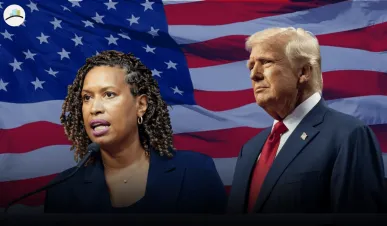
DC Mayor Bowser Extends Federal Policing: What’s Next for Washington, D.C.?
What happens when a local mayor decides to extend federal policing indefinitely? In Washington, D.C., Mayor Muriel Bowser has stirred up the conversation with her decision to prolong the federal law enforcement surge, initially set in motion by President Donald Trump’s emergency order. As the 30-day intervention nears its expiration, Mayor Bowser is signaling a shift in the city’s approach to public safety—an approach that could change the future of law enforcement in the nation’s capital.
🚨 BREAKING: Washington DC Mayor Muriel Bowser immediately requires all Metro Police to coordinate with federal officers FOREVER, with no expiration, after President Trump's takeover was a MAJOR success in lowering crime on a large scale.
— Eric Daugherty (@EricLDaugh) September 2, 2025
It worked.
Chicago's next. pic.twitter.com/ONYn8z8U7Q
MORE ARTICLES:
What Does Mayor Bowser’s Order Mean for D.C. Residents?
-
Federal Policing Extended Indefinitely:
DC Mayor Bowser has issued an executive order that continues the coordination between the Metropolitan Police Department (MPD) and federal agencies such as the FBI, DEA, ATF, and Secret Service. This decision keeps the federal surge in place beyond the original 30-day period, signaling a potential shift in D.C.'s approach to public safety. -
Focus on Public Safety Initiatives:
Under Mayor Bowser's guidance, the Safe and Beautiful Emergency Operations Center (SBEOC) will remain operational. This center has played a crucial role in managing public safety, addressing issues like gun violence, homelessness, and the city’s overall beautification. The SBEOC will ensure continued communication between local authorities and federal law enforcement as part of the city's strategy to maintain law and order. -
Mixed Reactions from the Public:
While crime rates have seen improvements, Mayor Bowser's decision hasn’t been met with universal approval. Some residents and local activists are concerned about the erosion of civil liberties and the loss of local control over policing. Critics fear that a prolonged federal presence might escalate tensions between law enforcement and the community.
The Shift in Local Governance and Federal Relations
-
Local vs. Federal Power:
By extending the federal policing initiative, DC Mayor Bowser raises important questions about the balance of power between local and federal authorities. This move could set a precedent for future federal involvement in local law enforcement, especially as cities across the nation deal with increasing crime rates and safety concerns. -
Could This Influence Other Cities?
The indefinite extension of federal law enforcement in D.C. might prompt other cities to consider similar measures. If this strategy proves effective, it could inspire other local governments facing similar issues to request federal support in managing law enforcement challenges.
What’s at Stake for the D.C. Community?
While DC Mayor Bowser's executive order aims to address crime and public safety, it raises questions about its long-term impact on the local community. Critics argue that federal officers, particularly when seen in tactical gear and large numbers, may contribute to a sense of government overreach, making it harder for local authorities to foster trust within the community.
-
Concerns Over Civil Liberties:
Civil rights advocates worry that the federal presence could undermine individual freedoms and disrupt the relationship between law enforcement and residents. The use of federal officers, especially in high-profile operations, has led to a growing sentiment that D.C. residents may be subject to oversight without adequate local accountability. -
Building Trust with the Community:
In response to concerns, Mayor Bowser has stressed that federal officers should cooperate transparently with local law enforcement and refrain from wearing masks—an effort to maintain trust between the police and the community. It remains to be seen whether this will be enough to quell the fears of residents who feel their rights are being encroached upon.
How Will This Affect D.C.'s Future?
The decision by DC Mayor Bowser has far-reaching implications for the future of policing in the U.S. By continuing to coordinate with federal agencies, she sets the stage for a potential nationwide conversation about the role of federal law enforcement in local policing.
-
Setting a National Precedent?
The ongoing federal involvement in D.C. could signal the beginning of a new era where federal agencies play a larger role in managing crime and public safety across major U.S. cities. If the initiative proves successful in D.C., other cities might consider similar interventions, reshaping how law enforcement operates on a national scale. -
Potential Political and Social Tensions:
Mayor Bowser's decision has already sparked debate, and the long-term political ramifications could be significant. The question of local versus federal authority in policing is one that could have a ripple effect on national politics, especially as the nation grapples with issues of police reform, civil rights, and government oversight.
Conclusion: What’s Next for DC and Its Residents?
Mayor Bowser’s decision to extend federal policing efforts is a response to ongoing public safety challenges in Washington, D.C., but it’s also a step into uncharted territory. As the city moves forward, Mayor Bowser will need to strike a careful balance between maintaining law and order and protecting the rights of the residents who call D.C. home.
The future of law enforcement in D.C. and other U.S. cities could look very different in the years to come. Whether the extension of federal law enforcement becomes a model for other cities remains to be seen. For now, D.C. residents are left wondering whether Mayor Bowser's move will truly make the city safer—or if it will be the start of an ongoing federal presence that reshapes the relationship between local authorities and the communities they serve.
As Mayor Bowser navigates these waters, her decisions will continue to impact not just D.C., but potentially the nation’s approach to law enforcement, public safety, and the balance of local and federal power.



