
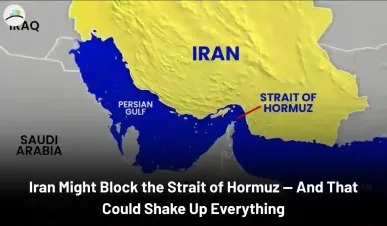
So, what just happened?
On June 22, Iran’s parliament gave the okay to block the Strait of Hormuz. It’s not fully done yet—they still need a final sign-off from Iran’s top security council. But still, this is a big deal. This decision came right after the U.S. bombed some of Iran’s nuclear sites. And honestly, Iran’s message here is pretty clear: if the U.S. hits us, we’ll hit back where it hurts most—energy and oil routes that the world depends on.
🔥 "GAME CHANGER" – Iran votes to block Hormuz Strait after US airstrikes
— Seattle Smith🇺🇸 (@smith_seattle1) June 23, 2025
⚡ What this means:
30% of global oil could vanish
Gas prices to skyrocket 🚀⛽
US hits Iran nukes, but China/Asia pay the price
🇺🇸 Rubio's warning: "Biggest mistake Iran could make" pic.twitter.com/k2DFEVmDXx
Why everyone’s suddenly talking about this?
The Strait of Hormuz might sound far away, but it matters to almost everyone. Around 20 to 25% of the world’s oil passes through this one narrow stretch of water every single day. If Iran really blocks it—or even messes with it a little—oil prices could jump fast. Some experts say $100 a barrel isn’t far off, and in worst-case situations, it could go much higher. But the thing is, Iran doesn’t even need to shut it down completely. They could lay mines, mess with ships’ GPS, or fire a few warning shots—and that alone might be enough to scare companies and drive up prices.
How the rest of the world is reacting?
Let’s just say people aren’t taking this lightly. The U.S. Secretary of State, Marco Rubio, called Iran’s plan “economic suicide.” Europe’s top foreign policy leader warned this could get dangerous really fast. And while Iran hasn’t actually blocked anything yet, the threat is already causing problems. This feels more like a pressure move than a military one—for now—but it’s still making markets nervous.
What’s happening with oil and shipping?
Oil prices jumped right away—Brent crude rose about 6% at one point. Some shipping companies aren’t even waiting to see what happens. They’ve already started rerouting tankers around Africa. It takes longer and costs more, but it’s safer. Insurance for ships going near Hormuz also went up big time—some companies are paying $200,000 to $300,000 more per trip just in case. So yeah, even without a full blockade, the money is already moving.
Iran’s strategy isn’t all-or-nothing
Here’s the thing—most people think Iran isn’t going for a big, dramatic closure. They’re smarter than that. Instead, they’ll probably use smaller tactics: underwater mines, drone surveillance, random missile launches, or even cyber stuff. This type of “gray area” warfare lets them disrupt things without actually declaring war. That makes it even harder to predict or stop.
Read More:
Are there any backup options?
Kind of. A few countries like the UAE already use pipelines that go around the Strait, but most still rely heavily on it. If things stay tense, more rerouting will likely happen. Some international defense missions are also stepping up to protect the area. But truthfully, there’s no real replacement for the Strait. If it gets blocked, the effects could be global.
What we should keep an eye on now?
-
Will Iran’s Supreme Council actually go ahead with this blockade?
-
Will the U.S. or its allies send more ships to the area?
-
Could there be smaller attacks or disruptions before a full closure?
-
How will oil prices and energy markets respond in the next few days?
-
And maybe the biggest question—can any diplomacy step in and cool things down?
Why this really matters?
This might seem like another Middle East issue, but it’s more than that. What happens in the Strait of Hormuz affects how much you pay for gas, how global trade flows, and how safe countries feel about energy access. Even if no ships are blocked right now, the threat alone is enough to shake up the markets. And the longer this goes on, the more likely it is that things slip out of control.



