
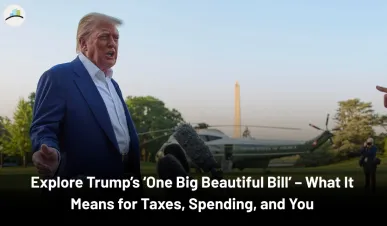
Trump Wants Congress to Pass His 'One Big Beautiful Bill' — But It’s Not That Simple
So here’s the deal. Trump is back with a huge budget proposal that he’s calling the “One Big Beautiful Bill.” And honestly, the name says a lot about how he’s trying to sell it—bold, simple, and full of promises. He’s telling Congress to get this done before July 4, and he’s even warned them not to take any vacation until it’s passed.
But the truth is, this bill isn’t just one thing. It’s more like a mix of tax cuts, spending cuts, and some politically charged stuff on immigration and defense. And yeah, it's already stirring up a lot of pushback—even from some people on his side.
Can’t sleep, their crying is keeping me awake; #Trump to #Congress: 'NO ONE GOES ON VACATION' until spending bill passes #CNBC https://t.co/hihu8GUHnK
— Make Life Great Again 👊🏽 🇺🇸 (@Want_Pride_Back) June 25, 2025
Why Trump’s So Pushed About It
For Trump, this bill is personal. He wants to make the 2017 tax cuts permanent and add even more tax relief—especially for tips, overtime pay, and even Social Security income. He says it’ll help workers and small businesses, and he wants to lock it in now before the election pressure builds up.
He’s also tying in other stuff like money for border enforcement, missile defense, and even a proposed “Heroes Garden.” On top of that, there are deep cuts to government spending—especially in programs like Medicaid and SNAP. That’s where the tension is coming from.
What’s Not Being Talked About Enough
Honestly, a lot of headlines are just repeating Trump’s points or the political fighting. But here’s what more people should pay attention to:
-
The budget math doesn’t really work out. Experts say the plan would add about $2.4 trillion to the deficit over the next 10 years. And that doesn’t even count the added cost of rising interest rates.
-
Most of the tax savings would go to people with higher incomes. Middle-income folks would see a bit of relief, sure, but the biggest benefits go to those at the top.
-
Cutting Medicaid and SNAP could leave millions without access to basic healthcare or food support. That’s a serious concern, especially in low-income and rural areas.
What Could Go Right — And What Could Go Wrong
There are definitely two sides to this.
On the positive side:
-
It could give some workers a bit more money in their pockets—especially in industries where tips and overtime are common.
-
It might also energize Trump’s political base, especially with the added defense and immigration spending.
But on the flip side:
-
The growing deficit could spook markets. If interest rates go up, it becomes more expensive for the government to borrow money.
-
Pulling back on safety net programs like Medicaid could create real pain in communities that are already struggling.
-
And from a policy standpoint, jamming everything into one bill might make it harder to get anything passed at all.
More Articles:
What Happens Next
Right now, there’s a mix of urgency and gridlock in Congress. Some parts of the bill may not even make it through the Senate, especially with rules that limit what can be included in a budget reconciliation. There’s already word that some provisions—like those tied to energy policy and food aid—might get struck down.
We’re also watching what happens with markets. If bond traders start to worry about the long-term deficit, we could see borrowing costs go up. That would affect mortgages, small business loans, and more.
And politically? This could go either way. If Trump gets it through, he’ll probably claim a major win and take a “victory lap” before the July 4 holiday. If it fails, it could shake confidence in his ability to deliver big changes—especially going into an election year.
Final Thought
Trump’s “One Big Beautiful Bill” is a bold play. It’s ambitious, messy, and very on-brand. But it’s also risky. If it passes, it could reshape taxes, government spending, and immigration policy all in one go. If it doesn’t, it might signal deep divisions within the GOP—and a tough road ahead for Trump’s economic agenda.
Either way, what happens in the next few weeks will say a lot about where American policy—and politics—are headed next.



