
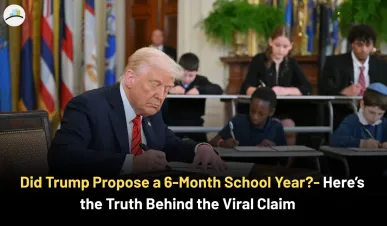
Recently, a viral claim has been circulating across social media that former President Donald Trump signed an executive order to shorten the school year to just six months. The rumor has caused confusion among the public, with many asking if this could be a policy change set to impact children’s education. Let’s break down the facts and clarify the truth behind this viral claim.
Fact Check: Did Trump Say Kids to Only Attend School 6 Months Out of Year? https://t.co/K2yrFltC4w
— Tuck The Frumpers (@realTuckFrumper) August 7, 2025
The Importance of This Claim
This claim, suggesting that President Trump altered the length of the school year, quickly gained traction, especially in the context of how education policies are evolving in the U.S. A six-month school year might sound appealing to many who are looking for a change in the traditional structure of schooling, but it's crucial to understand why this claim is not accurate.
-
Misinformation Spread: The notion of a shortened school year appeals to those seeking fewer school days, yet it misrepresents the actual state of U.S. education policy.
-
Public Reactions: Social media discussions sparked debates about potential shifts in the education system, revealing both the desires and the misunderstandings among the public.
-
Policy Misunderstanding: This claim overlooks the reality that educational decisions like the length of the school year are determined at state and local levels, not by the federal government.
The key takeaway here is that, although this claim is being shared widely, the actual situation is more about misinformation than any real policy change.
MORE ARTICLES:
Hidden Factors to Consider
While it’s easy to get caught up in sensational headlines, understanding the implications behind such claims is essential. This is where we need to look a little deeper into the situation.
-
Lack of Federal Influence: Education policies, including school year schedules, are largely managed by state and local authorities. The federal government typically doesn’t have the power to dictate such specifics directly.
-
Impact of Education Policy: Even if this claim were true, it would have significant effects on teachers, students, and parents. Such a major shift in schooling schedules would require adjustments in curricula, teaching plans, and childcare arrangements.
-
Political Context: The Trump administration did make several efforts to reform education, including proposals for budget cuts to the Department of Education and changes in educational funding priorities. However, these proposals did not include shortening the school year.
By understanding the broader context, it becomes clear that while education is a hot topic, the claim about a six-month school year is nothing more than a misunderstanding of ongoing political discussions.
Understanding the Consequences of This Misinformation
Now that we know the claim is false, what does this mean for the broader conversation about education in the U.S.?
-
Public Misinformation: The spread of misleading claims like this can undermine public trust in policy discussions. It's crucial to fact-check information before sharing, especially when it concerns something as important as education.
-
Educational Policy Focus: The real focus in education reform should be on issues like funding, curriculum, and teacher support, rather than debunking rumors about the length of the school year.
-
Future Implications: As education continues to be a central issue in U.S. politics, it’s important for both policymakers and the public to engage with accurate information to ensure that meaningful reforms can take place.
In the end, it’s clear that this viral claim was not based on any factual executive orders or policy changes from the Trump administration. Instead, it serves as a reminder of the power of misinformation in today’s digital age.
Conclusion
To summarize, the viral claim that Donald Trump shortened the school year to six months is completely false. There has been no executive order signed to change the school year, and education policies remain in the hands of state and local authorities. As we navigate the complexities of education reform, it's essential to focus on verified information and push for improvements that benefit students, teachers, and communities across the U.S. Moving forward, this story will likely serve as an example of how misinformation can easily spread, and how important it is to verify before believing or sharing.



