
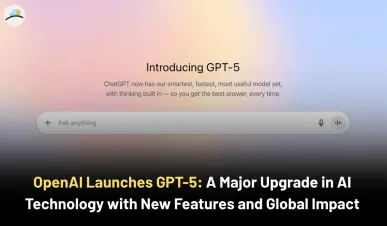
OpenAI's GPT-5: A Game-Changer in AI Technology
OpenAI has officially launched its most advanced AI model yet, GPT-5, taking another giant leap toward artificial general intelligence (AGI). This new model promises better reasoning, faster speeds, more accurate responses, and drastically reduced hallucinations. But what makes GPT-5 so special, and why should we care? The global AI race just got a whole lot more competitive.
🚨 BREAKING: OpenAI GPT-5 just dropped.
— Alvaro Cintas (@dr_cintas) August 7, 2025
The most awaited and advanced AI model release is here, and it includes:
- Four variants (GPT-5, mini, nano, chat)
- PhD-level intelligence
- Unified reasoning
- Improved Agentic Capabilities
Here’s the full breakdown: pic.twitter.com/c1wC72abYr
Why GPT-5 Matters
Honestly, GPT-5 isn't just another model release. It’s a pivotal moment in the world of AI, and here's why you should pay attention:
-
Bigger and Better: GPT-5 is designed to understand more complex queries with remarkable accuracy. The expanded context window allows it to process up to 256,000 tokens, making it a more powerful tool for developers and researchers alike.
-
Multimodal Capabilities: Now, GPT-5 can work with not only text but also images and potentially audio and video, bringing it closer to AGI than ever before.
-
India's Role: India is rapidly becoming OpenAI's second-largest market, and its growth could surpass the U.S. soon. This shows how AI is transforming markets outside traditional powerhouses and why OpenAI is so focused on India for its next big leap.
While everyone’s focused on the advancements, there’s more at play beneath the surface.
MORE ARTICLES:
Hidden Factors to Consider
GPT-5’s arrival isn't without its complexities. While it's undoubtedly a breakthrough, some aspects remain under-explored:
-
Economic Impact: As AI gets more powerful, industries worldwide must adjust to the increasing automation of skilled tasks. GPT-5’s expansion could challenge existing job structures, particularly in areas like customer service, data analysis, and creative sectors.
-
Competition: Elon Musk's xAI has already claimed that their Grok 4 model was superior to GPT-5 two weeks before its launch. This fierce competition could spark a technological arms race, where innovations move even faster.
-
India's AI Adoption: OpenAI’s increasing focus on India could have a huge effect on global AI trends. If India leads the charge in AI integration, it could push global innovation in new directions, especially in industries like education and healthcare, where AI’s potential is enormous but still under-tapped.
The full consequences of GPT-5’s arrival are still unfolding, but it’s clear that we're at a tipping point.
What Comes Next
The release of GPT-5 sets the stage for several exciting developments:
-
Market Reactions: Expect a wave of new AI-powered products, as businesses rush to integrate GPT-5’s capabilities. We may see major shifts in industries like marketing, education, and entertainment, with AI becoming an indispensable tool.
-
Policy and Regulation: As AI grows in power, governments will need to catch up with policies around data privacy, security, and job displacement. This could lead to new regulations that shape the future of AI development.
-
Next-Gen AI Models: The race is far from over. Musk’s bold statements about xAI’s future releases suggest that more groundbreaking models are just around the corner. With competition heating up, GPT-5 is just the beginning.
Conclusion
GPT-5 is more than just an upgrade—it’s a revolution in the making. While it promises enormous advancements in AI capabilities, it also brings new challenges in terms of regulation, competition, and market disruption. As we witness these changes unfold, all eyes will be on India’s growing role in the global AI landscape, and how businesses adapt to these powerful tools. The AI world is moving faster than ever, and GPT-5 is just the first step in a much bigger journey. Keep watching, because this story is far from over.



