
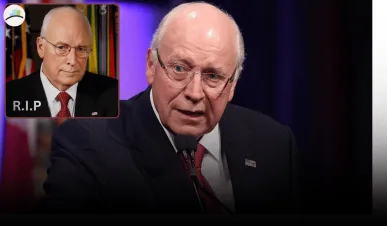
Dick Cheney: A Political Legacy Ends at 84
Former U.S. Vice President Dick Cheney has died at the age of 84. His passing on November 3, 2025, marks the end of one of the most influential and controversial careers in American political history. Dick Cheney, a man whose tenure in government spanned decades, served as Vice President from 2001 to 2009 under President George W. Bush, and held powerful positions throughout his career. His death marks a profound moment in U.S. politics, and his influence will continue to be felt for years to come.
•— now resting former Vice President Of The United States, Dick Cheney — was a rare breed of a Republican!
— Stephen ‡ Magyezi (@gyezi_) November 4, 2025
→ didn't hold back at Trump’s shot at re-election!pic.twitter.com/D3Wyqnl9xZ
Cheney’s role in shaping U.S. policy, particularly in national security, foreign policy, and executive power, made him one of the most formidable political figures of the 21st century. Despite his retirement from public office, Dick Cheney remained a voice of authority in political and policy circles, known for his unapologetic stance on his actions and decisions, especially during the Iraq War and the post-9/11 era.
MORE ARTICLES:
Key Moments in Dick Cheney's Career
Dick Cheney’s political career is nothing short of remarkable. Before serving as Vice President, he was the Secretary of Defense under President George H.W. Bush, where he was instrumental in leading military operations during the Gulf War. His ability to make tough decisions in moments of crisis earned him a reputation as a decisive leader.
As Vice President, Dick Cheney took on a central role in shaping U.S. foreign policy and national security decisions. He pushed for the invasion of Iraq, citing weapons of mass destruction and ties to terrorism. This decision has been both defended and criticized, but it undeniably shaped the early 21st century. Cheney also played a key role in expanding the powers of the executive branch, particularly in the aftermath of the 9/11 attacks.
Dick Cheney’s tenure as Vice President marked a new era in American politics. He was known for his tight control over the administration’s key decisions and for his strong belief in the need for American military and political dominance globally. His actions, particularly in the areas of counter-terrorism and intelligence, have sparked intense debate about the balance of power in the U.S. government.
The Controversial Legacy of Dick Cheney
Dick Cheney’s legacy is one of significant influence, but also deep division. His staunch advocacy for military intervention and enhanced security measures, like surveillance programs and detention practices, has sparked both admiration and outrage. Supporters praise his decisive actions in fighting terrorism and protecting the country post-9/11, while critics argue that his policies, especially the war in Iraq, led to long-lasting consequences, including a prolonged military presence in the Middle East and a legacy of distrust in U.S. foreign policy.
One of Dick Cheney’s most defining traits was his unflinching confidence in his decisions, even when those decisions faced public scrutiny. His role in the Bush administration, especially regarding the Iraq War, remains a central point of contention. Despite this, Cheney always stood by his beliefs, making him a polarizing figure in American politics.
What’s Next After Cheney’s Death?
With Dick Cheney’s passing, the political landscape is left with a giant void. His influence in shaping U.S. policy, particularly during the Bush years, will continue to be a subject of debate. Key political figures from both parties are expected to issue statements reflecting on his impact on the nation’s history.
As the nation reflects on Dick Cheney’s career, his death prompts questions about the future of American foreign policy and national security. Cheney’s policies left a lasting imprint on the global stage, and future generations will continue to analyze and debate the decisions made under his influence.



