
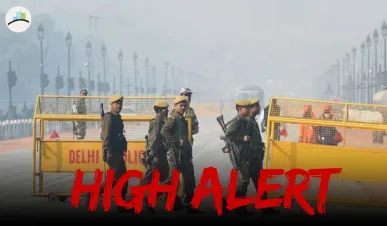
As Delhi gears up for the grandeur and pride of Republic Day celebrations, the city finds itself locked in a dark and sinister cloud of uncertainty. Wanted terrorists' faces are plastered on posters across key areas—train stations, markets, and metro stations. The question on everyone’s lips: What’s happening behind the scenes? What do these posters mean, and why is the capital city on high alert just days before the grand event? A terror storm brewing? Or is this just another precautionary measure? Whatever it is, the capital's nerves are stretched thin, and something ominous seems to be lurking just beneath the surface.
Why Is Delhi on High Alert Right Now?
As Republic Day 2026 approaches, Delhi police have gone into overdrive, with enhanced security measures across the city. This isn't just about regular crowds and parade rehearsals; something dangerous is lurking in the shadows. Intelligence agencies have raised the alarm—an urgent warning about potential threats from Khalistani factions and terrorist groups with international connections.
The terror posters, plastered on railway stations, markets, and even metro stations, showcase wanted terrorists. These faces aren’t just ordinary criminals—these individuals are linked to high-profile terror outfits that have shaken the country in the past. The goal? To identify and capture them before they can strike. But why now? Why right before the Republic Day celebrations? The timing is more than suspicious. Could this be a warning? A bold declaration of intent from terror cells?
Breaking: गणतंत्र दिवस पर ये कैसा खतरा? रेलवे स्टेशन, बस स्टैंड, बाजार में लगाए वांटेड आतंकियों के पोस्टर, हाई अलर्ट पर पुलिस
— Srishti Chaudhary (@JournoSrishti) January 19, 2026
पूरी खबर पढ़ें: https://t.co/2wyPRvESqa #BreakingNews #HindiNews #News18 #SrishtiChaudhary #JournoSrishti
What Could This Lead To?
Could this be the calm before the storm? With Republic Day celebrations just around the corner, there’s a sense of growing unease. What if these posters aren’t just a precautionary measure, but rather part of a larger plan to intimidate, instigate, or worse—attack? The idea of terrorists slipping through the cracks and targeting the heart of India’s celebrations sends chills down anyone who’s been following the rise of terror cells in the region.
With public spaces like markets, bus stands, and railway stations under close surveillance, it’s evident that officials are expecting something more than a regular security drill. Are they bracing for something major to unfold? What if there’s a larger conspiracy that’s about to be uncovered? The high alert in the capital suggests that there’s more at stake than just another terror threat.
The Secret Behind the Posters: What Do They Mean?
You might wonder: Why are these posters of terrorists being displayed now? What do they signify? In a city as vibrant as Delhi, with millions of citizens constantly moving about, these posters serve a dual purpose. They are not just about identifying criminals; they are a psychological tool to alert the public and get vigilant citizens involved. The authorities are essentially saying: We can’t do this alone. They are calling on the people of Delhi to be the eyes and ears of the city, ensuring that no one slips through unnoticed.
These terror suspects—linked to Khalistani separatists and Bangladeshi terror outfits—are part of an international web of terror that has long had its eyes set on India’s capital city. This is no random targeting—it’s calculated, targeted, and executed at a time when global attention is on India for its Republic Day celebrations.
MORE ARTICLES:
When Did the Alarm Bells Start Ringing?
It all started when intelligence agencies intercepted credible information about a possible attack. Khalistani elements, who have been making headlines for destabilizing peace in Punjab and other parts of India, are reportedly collaborating with foreign terror networks, including groups from Bangladesh. This means that Delhi, the nerve center of India, is in their crosshairs—and Republic Day provides the perfect moment for a deadly spectacle.
What Should the People of Delhi Be Careful About?
While Delhi is brimming with patriotism and excitement for Republic Day, there’s a very real threat to the celebrations. Here’s what every resident and visitor should be on the lookout for:
-
Unusual Activities: Keep an eye on anything that feels out of place—unattended bags, strange behavior, or people who seem overly focused on critical locations.
-
Unverified Information: Avoid spreading rumors or unverified reports on social media. Keep the information factual and stay alert through official channels.
-
Public Gatherings: With crowds expected at key locations like India Gate, Connaught Place, and Red Fort, be cautious in crowded areas. Keep your distance from large groups that seem to be moving unnaturally.
-
Report Suspicious Behavior: If you notice anything suspicious, immediately report it to the authorities. You could be the key to preventing an attack.
The Bigger Picture: What’s Coming Next?
As Republic Day approaches, the spotlight is on Delhi’s security forces, who are preparing for the worst while hoping for the best. Will these security measures be enough? Only time will tell. But the very act of posting these terrorists' faces signals that the government is taking no chances. The authorities know what’s at stake—and they’re preparing to face whatever comes next head-on.
For now, Delhi holds its breath. The days leading up to Republic Day will define whether these terror alerts are mere precautions or the first signs of a larger threat brewing. One thing’s for sure—Delhi's future is hanging in the balance, and everyone is on edge. Stay alert. Stay aware.
Conclusion:
The tension in Delhi is palpable, with the high alert, terror posters, and surveillance systems marking a stark reality. Will Delhi make it through Republic Day unscathed? Or will the terrorists’ threats find their way into the heart of India’s pride? This Republic Day, the city is nervously waiting to see what comes next.



