
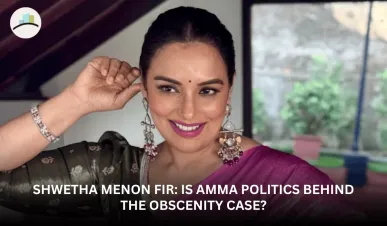
Shwetha Menon FIR: Legal Heat or Pre-Election Power Play?
Why a decades-old film role is now at the center of a new controversy—and what it says about law, politics, and culture in the digital age.
A Sudden FIR That’s Turning Heads
Veteran Malayalam actress Shwetha Menon has found herself in the crosshairs of a legal complaint that accuses her of circulating sexually explicit content. The material in question? Film scenes from years ago—certified and publicly released—now resurfacing online and allegedly being monetized. A Kerala court recently directed police to register a case, setting off ripples across the entertainment and political landscapes.
But beyond the surface lies a deeper story: Why now? And what’s really at stake?
Shwetha Menon, known for films with SRK & Salman, has been booked in an obscenity case. A complaint alleges her old films & ads were misused online. FIR filed, investigation underway. #ShwethaMenon #Bollywood #IndiaForumshttps://t.co/C6BOz8hj5P
— India Forums (@indiaforums) August 6, 2025
Why This Case Demands Attention
This isn’t just another celebrity controversy—it’s a litmus test for freedom of expression, gendered morality, and the growing power struggles within the film industry.
On one hand, the case raises legal questions about retroactive accountability—can an actor be penalized for content already cleared by authorities and published through official platforms?
On the other hand, the timing is impossible to ignore. Shwetha Menon is currently contesting for the presidency of AMMA, the influential Malayalam movie artists' association. That makes this FIR more than just a legal hiccup—it’s a potential political strike disguised as moral policing.
The Bigger Questions No One’s Asking
Is This About Justice or Agenda?
The complaint didn’t come out of nowhere—but it did come now, just before a high-stakes election within the film fraternity. Coincidence? Unlikely. The real risk here is the normalization of selective morality used as a tool to influence elections.
What Happens to Artistic Freedom?
If certified, publicly released films can be used as grounds for criminal cases years later, every actor and filmmaker becomes a sitting duck. Who decides what’s obscene—and when?
Where Do We Draw the Line in the Digital Era?
With digital clips from old films now circulating endlessly, the question isn't just about what was shown—but how and where it’s being seen. Are we entering an era where context no longer protects content?
Historical Echoes: The Ghost of Moral Panic
Indian cinema has long wrestled with societal expectations. From controversies around bold scenes in the 1980s to recent online backlash against web series, public outrage often reflects the mood of the moment, not the merit of the art. Shwetha’s current ordeal echoes this long-standing tug-of-war—between storytelling and societal comfort zones.
But this time, the added layer is digital permanence. Once content goes online, it never really disappears. That’s the elephant in the room—and a challenge lawmakers haven’t yet fully addressed.
MORE ARTICLES:
The Real Stakes: More Than Just One Actress
This case could set a dangerous precedent. If FIRs based on old, certified scenes gain traction, artistic expression could shrink under the fear of legal retaliation. For the business of film, it raises insurance risks, content approval dilemmas, and questions around digital content control.
Meanwhile, the timing of the FIR—just before AMMA’s leadership vote—highlights how personal ambition and power struggles can hijack moral conversations for strategic disruption.
Conclusion: What Happens Next Will Matter for Years
Whether or not this case holds up in court, it already sends a loud message. India’s creative industry is treading increasingly complex terrain—where politics, morality, and digital virality intersect.
Shwetha Menon may just be a symbol. The real issue? What kind of country do we want to be—one where art is debated, or one where it’s weaponized?



