
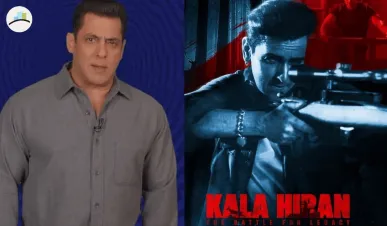
Bollywood superstar Salman Khan is at the center of a new legal storm after his legal team filed an official case against the upcoming film Kala Hiran, demanding that the movie be pulled from release. The action comes amid allegations that the film unfairly uses elements allegedly drawn from Khan’s life and persona without authorization, sparking intense debate across fan communities and the industry about creative freedom, reputation rights, and where the line lies between fiction and defamation in cinema.
Kala Hiran: Salman Khan Sends Legal Notice To Makers Of Film Inspired By 1998 Blackbuck Case — Controversy Explainedhttps://t.co/IvM2hoqxeo pic.twitter.com/c8v8SnHops
— The Sunday Guardian (@SundayGuardian) June 2, 2026
What’s Happening: The Legal Complaint Explained
According to court documents furnished by Khan’s lawyers, Kala Hiran reportedly includes characterizations and plot points that Khan’s camp argues are “unlawful, defamatory and damaging” to the actor’s reputation. The legal filing seeks an injunction to block the film’s release and distribution, asserting that the public could read the character as a recognizable portrayal tied to the star.
Salman Khan’s legal representatives have formally requested that the film be withdrawn from all platforms, screenings and promotional materials until the issue is resolved through the courts. They contend that though films often take inspiration from real life, Kala Hiran crosses the threshold into misrepresentation and harms Khan’s public image.
What Is Kala Hiran & Why It Sparked Controversy?
Kala Hiran is a film produced with a dramatic storyline involving underworld figures, power struggles and larger‑than‑life personalities — themes that often find echoes in real careers and public personas. While specifics about the narrative differ from known facts about Khan’s life, certain visual cues, character names and situations have led viewers and legal teams alike to interpret them as thinly veiled references to the star.
The filmmakers, for their part, have maintained that the story is pure fiction, crafted by writers and directors drawing on broader genre conventions without intent to depict any real individual. Industry insiders say the case may push courts to clarify where inspiration ends and defamation begins in creative works.
Salman Khan’s Stance & Legal Grounds
Khan’s legal team asserts that several aspects of Kala Hiran — from character behavior to implied references — create an unfair public link to Salman Khan as a real person, especially a celebrity with a widely recognized public image. In their filing, they argue:
- The portrayal incorrectly suggests events attached to Khan’s reputation.
- Certain dialogue and settings appear to mirror known chapters of his career.
- The result could confuse audiences and harm the actor’s standing.
These claims are grounded in defamation and personality rights laws, which in India protect individuals — particularly public figures — from unauthorized use of their identity or misleading insinuations in commercial media.
Industry Reaction & Fan Buzz
As news of the case spread, reactions erupted online:
- Bollywood fans are divided, with some backing Khan’s move as a legitimate defense of his reputation, while others argue artists should have creative space to experiment with fictional narratives.
- Film trade analysts say the legal battle may shape how future movies handle high‑profile characters resembling real stars — especially if the courts set new guidelines on fictionalization limits.
- Social media users have speculated about whether the controversy will boost the film’s visibility or harm its prospects, depending on how judges rule.
Entertainment forums and hashtags around Kala Hiran shot up in the hours following the news, reflecting how quickly the topic caught public interest.
Legal Context: Defamation vs Creativity in Film
This case raises broader issues about legal rights and creative freedom:
- When does a fictional character become too close to a real person?
- Can public figures stop filmmakers from drawing inspiration from widely known careers?
- What standards do courts use to distinguish homage from harmful depiction?
Legal experts note that courts generally balance artistic expression with respect for personal rights, and past cases have emphasized context, intent and audience perception as key factors in determining whether a depiction amounts to defamation.
Supporters of artistic freedom argue that cinema thrives on metaphor, character composites and dramatization. But defenders of personal rights emphasize that fame shouldn’t be leveraged for storytelling without consent, especially if the narrative suggests real‑world wrongdoing or damaging traits.
MORE ARTICLES:
What Happens Next: Court Timelines & Possible Outcomes
After the lawsuit was filed, a local court has yet to schedule formal hearings. Possible legal outcomes include:
- Issuance of a temporary injunction blocking the film’s release during litigation.
- Court‑mandated edits or blurring of contentious elements if the film is allowed to screen.
- Full dismissal if the judges rule the film falls squarely under protected creative expression.
- Settlement talks between Salman Khan’s team and the producers.
Industry watchers will be paying close attention to the timelines, which could extend for months as both sides prepare arguments and evidence.
A Controversy Bigger Than Just One Film
Salman Khan’s demand to pull Kala Hiran highlights how the boundaries between art, personality and legal rights are being tested in the digital age. With audiences more sensitive to media claims and celebrities more protective of their public image, this case may set an important precedent in Bollywood and beyond.
Whether the court upholds Khan’s request or favors artistic expression, the conversation around Kala Hiran is already shaping discussions about how films depict figures that resemble real‑world personalities — and where respect for reputation intersects with creative freedom.



