
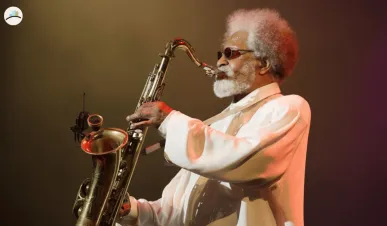
The music world is paying tribute to legendary jazz saxophonist Sonny Rollins, who has died at the age of 95. Considered one of the most influential jazz musicians of all time, Rollins transformed modern jazz with his extraordinary improvisation, signature tenor saxophone sound, and fearless creativity.
Known worldwide as the “Saxophone Colossus,” Rollins spent more than seven decades shaping the direction of jazz and inspiring generations of artists across multiple genres.
His death represents a major loss for American music and the global jazz community.
Sonny Rollins Helped Redefine Modern Jazz
Born in New York City in 1930, Sonny Rollins emerged during one of the most important periods in jazz history. He quickly earned respect among musicians for his technical mastery and unique musical voice.
During his early career, Rollins collaborated with jazz legends including Miles Davis and Thelonious Monk, establishing himself as one of the leading innovators of his generation.
Sonny Rollins, the "saxophone giant" of jazz, has passed away at the age of 95.
— 🎸 Rock History 🎸 (@historyrock_) May 26, 2026
Rest In Peace 🙏🏻🎷 pic.twitter.com/acD12pzwCS
His recordings became defining works of modern jazz, admired for their originality, emotional depth, and groundbreaking improvisation.
Why Sonny Rollins Was Called the “Saxophone Colossus”
The nickname “Saxophone Colossus” became closely tied to Rollins after one of his most celebrated albums gained critical acclaim during the 1950s. Over time, the title reflected his towering influence on jazz music itself.
Rollins became known for turning live performances into spontaneous musical conversations. His ability to reshape melodies and create new ideas in real time made every performance feel unique.
Unlike many musicians who stayed within traditional structures, Rollins constantly explored new artistic directions throughout his career.
MORE ARTICLES:
A Career Built on Discipline and Reinvention
One of the most talked-about moments in Rollins’ life came when he stepped away from public performances despite being one of the biggest names in jazz. During that period, he focused intensely on personal growth and musical development.
That decision later became part of his artistic legacy, symbolizing his commitment to constant improvement and creative independence.
Even in later decades, Rollins continued performing with remarkable energy and innovation, proving why he remained respected across generations.
Influence Beyond Jazz
Although primarily known as a jazz icon, Rollins’ influence reached far beyond traditional jazz audiences. His improvisational approach inspired musicians in rock, blues, experimental music, and contemporary instrumental genres.
Music educators and critics often described him as one of the greatest improvisers in American musical history.
His performances combined technical brilliance with emotional storytelling, helping jazz remain relevant to younger audiences over the years.
Tributes Continue Across the Music Industry
Following news of his death, tributes poured in from musicians, fans, and cultural institutions around the world. Many praised Rollins not only for his musical achievements but also for his dedication to artistic freedom and lifelong creativity.
Artists across different genres credited him with influencing their understanding of rhythm, melody, and improvisation.
For many jazz fans, Rollins represented the pure spirit of musical exploration.
Sonny Rollins’ Legacy Will Continue for Generations
Rollins leaves behind a catalog of music that continues to inspire listeners decades after its release. His recordings remain essential for anyone studying jazz history or modern improvisation.
From intimate jazz clubs to global concert stages, he became one of the most respected voices in American music culture.
Even after retiring from public performance, his impact never faded. Young musicians still study his techniques, compositions, and approach to improvisation as part of jazz education worldwide.
Remembering a Musical Pioneer
Sonny Rollins’ passing marks the end of an extraordinary chapter in music history, but his influence will continue through the timeless recordings and performances he left behind.
His career was defined by innovation, discipline, and a relentless search for artistic growth. For millions of listeners, he was not only a master saxophonist but also a symbol of creativity without limits.
As the jazz world remembers one of its greatest pioneers, Sonny Rollins’ music will continue inspiring future generations for years to come.



