
A Bold New Chapter in Indigenous Storytelling
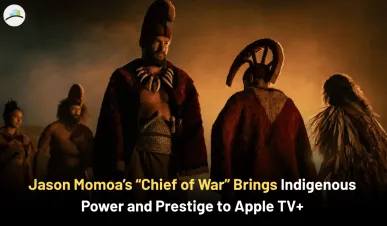
Jason Momoa's new series Chief of War, now streaming on Apple TV+, isn’t just another big-budget period drama. It’s an ambitious story based on real Hawaiian history, told from an Indigenous perspective—for once. The show follows Kaʻiana, a warrior navigating the brutal unification of Hawaii’s islands during the 18th century. Momoa plays him with a mix of power and vulnerability, and honestly, it feels personal—like he's carrying more than just the role.
What stands out most is the level of care put into the details. The Hawaiian language is used, traditional customs are portrayed thoughtfully, and scenes are shot in a way that shows real respect for the culture. You can tell this wasn’t rushed or done just for show. It feels like a project that’s trying to do something meaningful while also entertaining a global audience.
Chief of War — Jason Momoa’s Hawaiian epic brings bone-crunching battles to Apple TV+ https://t.co/E2QlmRWC8Y
— FT Weekend (@ftweekend) August 1, 2025
Why It’s a Big Deal for Platforms Like Apple
Let’s be honest—Apple TV+ doesn’t have the endless content libraries like Netflix or Disney+. But they’ve been leaning into quality over quantity. With Chief of War, they’re not just adding another title—they’re making a statement. This is a $200 million production, with sweeping sets, historical depth, and a full original score from Hans Zimmer. Apple is betting that people want stories that feel different—not just visually but culturally.
There’s also a business angle here. If this kind of show gets good numbers, it could open the door for more Indigenous-led or culturally specific projects across the streaming industry. That’s a big shift from the usual rotation of Western epics and franchise reboots. And it's something a lot of people have been asking for—stories that come from the people who lived them, not just outsiders looking in.
MORE ARTICLES:
A Beautiful Show That Still Has a Few Flaws
As much as this show deserves praise, it’s not perfect. Some critics have pointed out that while Kaʻiana is well developed, the side characters—especially the women—feel underused. There are moments where the pacing drags a bit or where the fight scenes feel a little too stylized. But even with those hiccups, you can see the effort to get the history and emotion right.
That said, it’s rare to see a show this visually stunning and this culturally grounded at the same time. It may not be a flawless series, but it’s bold in what it tries to do—and that’s worth paying attention to.
What This Could Mean Beyond Entertainment
One thing that doesn’t get talked about enough is how this show could shift the way people think about Hawaii—and Indigenous cultures more broadly. For years, Hawaiian history was either left out of mainstream storytelling or shown through a very narrow lens. Now, millions of viewers are getting a different version. One that doesn’t just focus on beaches and hula but on war, politics, betrayal, and identity.
Also, let’s not forget the tourism angle. A show like this could spark more interest in Hawaiian culture, but that also brings risks. Who controls the story once it hits the travel brochures? Will this help local communities economically—or just bring in more commercialization of sacred spaces? These are questions that are worth thinking about.
A Step Toward Changing the Narrative
In the end, Chief of War is more than just a TV show. It’s part of a much bigger movement. A movement that’s about letting people tell their own stories—especially when those stories were ignored or misrepresented for so long. It shows that big-budget historical drama doesn’t always have to come from Europe or Hollywood’s usual playbook. It can come from the Pacific. From Native voices. From places that haven’t had the spotlight until now.
Whether or not this show becomes a global hit, it’s already made an impact. It’s opened the door. And hopefully, others will walk through it—telling their stories, on their terms, with the same level of care and confidence.



