
The June Jobs Report Looked Good — But There’s More to the Story
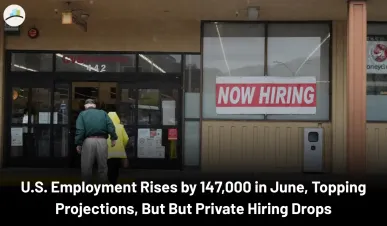
The U.S. economy added 147,000 jobs in June. That’s more than what experts expected, and on paper, it sounds like great news. The unemployment rate also dropped slightly to 4.1%. So, overall, the headlines looked positive.
But honestly, when you look a bit closer, the full picture isn’t as strong as it seems. Yes, jobs were added, but the kind of jobs and where they came from is where things start to shift. And that matters more than people think.
LOL😂….CNN was shocked at the better than expected job report this morning
— Josephine (@Josephine082322) July 3, 2025
The US economy added 147,000 jobs in June, well above expectations. Unemployment declined to 4.1%
Wages rose 3.7% in the past year, well above 2.4% inflation. MAGA win again❤️
pic.twitter.com/FjlTkEChlY
Public Jobs Are Carrying the Load — Private Hiring Is Slowing
Most of the job growth last month came from government positions and healthcare roles. These are important, of course, but they don’t always tell you how strong the private economy is. The private sector — which includes companies, startups, manufacturers, and service businesses — only added around 74,000 jobs. That’s the lowest in months.
When public jobs grow but private hiring slows, it can be a sign that businesses are becoming more cautious. Maybe they’re unsure about future sales. Maybe they’re watching interest rates. Whatever it is, it shows a little weakness under the surface that many headlines skip.
The Fed Now Has a Tougher Call to Make
A lot of people were hoping the Federal Reserve would cut interest rates soon — maybe even this month. But after this report, those chances have dropped. The labor market isn’t weak enough to justify a rate cut just yet, at least not from the Fed’s point of view.
And that’s where the situation gets tricky. If the Fed waits too long to lower rates, the economy might slow down more than expected. But if they act too soon, inflation could pick up again. So they’re in a tight spot — and this jobs report didn’t make their job any easier.
More Articles:
What We’re Not Talking About Enough
There are a few things in this report that aren’t getting enough attention, and they’re worth pointing out.
-
Job gains are mostly in a few sectors. Healthcare, government, and education saw solid growth. But industries like manufacturing, finance, and tech were mostly flat or even negative.
-
Unemployment is slightly up among certain groups, especially Black workers. That’s a sign the recovery isn’t equal across all communities.
-
Immigration and labor supply may be playing a role too. With fewer foreign-born workers entering the country, some industries are finding it harder to fill roles, especially in lower-paying or seasonal jobs.
These aren’t small points — they show that the labor market is more complicated than a single number suggests.
The Bigger Risk: Thinking Everything’s Fine
The risk right now isn’t a major crash. It’s that we assume the economy is stronger than it really is. A few months of decent job numbers might hide the fact that businesses are pulling back, wage growth is slowing, and consumer spending is cooling down.
If the Fed holds off on rate cuts because the job numbers look okay, but demand keeps fading underneath, we could end up with slower growth and still-high borrowing costs. That’s a combination that hurts everyone — from homeowners to small businesses.
Final Thought
The June jobs report isn’t bad, but it’s not a clear win either. It shows that the U.S. is still creating jobs — but mainly in areas that don’t always reflect how confident the business world feels. The private economy is slowing down a bit, and if that trend continues, it could catch up with the rest of the labor market soon.
What happens over the next two or three months will matter a lot. If job growth starts to slide or inflation changes direction again, the Fed, the markets, and even everyday families will feel the pressure.
For now, we’ve avoided any major red flags. But let’s not ignore the small ones already starting to show.



