
So What’s Going On?
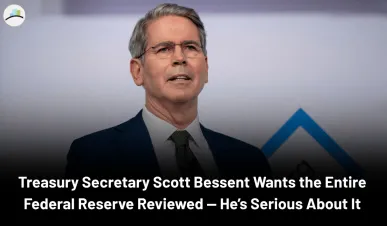
This week, Scott Bessent, the U.S. Treasury Secretary, said something that honestly caught a lot of people off guard — he wants a full review of the Federal Reserve. Not just about their interest rate decisions or inflation stuff, but the entire structure and everything they’re doing. That includes how they spend money, how they operate, and even what their real role should be today. It's a big ask, and he seemed pretty direct about it.
This isn’t something you hear from Treasury heads often, especially not in public. But Bessent said it out loud in an interview, and now the debate’s kind of out in the open. He seems frustrated with how the Fed is handling things lately, especially its spending and how involved it's gotten in areas beyond just managing money and inflation.
🚨 BREAKING: Treasury Secretary Scott Bessent demands a THOROUGH REVIEW of the "ENTIRE Federal Reserve System."
— Eric Daugherty (@EricLDaugh) July 21, 2025
YES. Audit the Fed.
"All these PhDs over there, I don't know what they do!"
"What we need to do is examine the entire Federal Reserve institution, and whether they… pic.twitter.com/MZYVGG2ay6
Why Bessent Feels Like the Fed Is Off Track
To break it down simply, Bessent thinks the Fed has gone way beyond what it was created to do. He’s not just annoyed with interest rates. He’s looking at how the central bank is spending billions on things like a huge renovation of their main office. He also talked about how the Fed’s been losing money — big amounts, like tens of billions.
He’s especially not happy with how the Fed talks about inflation and the economy. He thinks some of it is exaggerated or doesn’t really match what’s going on with prices or trade. And another thing — he said there are too many PhD economists at the Fed making decisions without really understanding how those choices affect regular people or the economy in a practical way.
This Might Be More Than Just A Critique
Now, this isn’t just about one person being upset. There’s a chance this could turn into something bigger. When someone as high up as the Treasury Secretary starts calling for a full review of the Fed, it opens the door to other people getting involved — maybe Congress, maybe outside review boards. It could turn into a formal investigation or at least some serious questioning of what the Fed is doing and whether it’s doing too much.
And let’s be real — the timing matters here. Jerome Powell, the current Fed chair, has his term ending next year in 2026. This push from Bessent could be a way of setting the stage for change — maybe a new chair, maybe new rules, maybe a more public conversation about how much power the Fed should really have.
The Bigger Message Behind Bessent’s Words
If you look closer, this isn’t just about money or office renovations. Bessent is basically saying, “The Fed isn’t the only voice that should shape how we talk about the economy.” That’s kind of a big deal. For years, the Fed has led the conversation on interest rates, inflation, and market expectations. But Bessent seems to want to shift some of that back to the Treasury — to the part of the government that answers more directly to the public.
It feels like he’s trying to remind everyone that elected officials, not just central bankers, should have a say in how we handle big economic issues. Maybe he’s thinking that the Fed has had too much freedom for too long and it’s time to check that a bit.
More Articles:
What People Aren’t Talking About Yet
There’s a lot happening here that hasn’t gotten much attention:
-
The Fed might actually change how it communicates in public now, just to avoid more political heat.
-
Investors could get nervous if they think the Fed is losing its independence. That could affect markets more than people think.
-
If this review really happens, it might lead to new rules or laws about what the Fed can and can’t do. Things like limits on what assets it can buy or changes to how its leadership is chosen.
Also, this whole situation reminds some people of the 1970s, when the Fed faced a ton of political pressure and had to make major changes. That eventually led to laws that made the Fed more transparent and gave it its “dual mandate” — to focus on both inflation and jobs. We might be heading toward something like that again.
Final Thought
At the end of the day, this might not seem like headline news to everyone — but it is a big shift in how the government talks about economic power. Scott Bessent didn’t just criticize the Fed’s decisions. He questioned its entire role. That’s not something that happens every day.
If more people in power start to agree with him, this could lead to real changes — not just in how the Fed works, but in how Americans think about who controls the economy. It’ll be interesting to see if this turns into a serious review or just fades away like other political moments. But either way, the conversation has started, and people are definitely paying attention now.



