
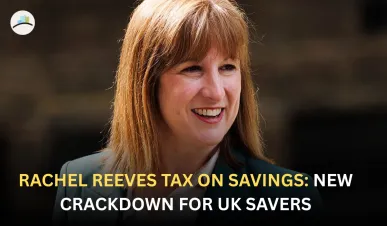
Chancellor Rachel Reeves has approved a major overhaul in how savings tax is collected, setting the stage for a system where HMRC could take tax owed on savings interest directly from people’s salaries. The plan hinges on new rules requiring banks to share more detailed customer data, including National Insurance numbers, with the tax authority.
Why This Change Is Happening
The shift comes as more people are crossing the personal savings allowance threshold compared to five years ago — about 300,000 more, according to government figures. This is largely due to higher wages, frozen tax thresholds, and rising interest rates. Fiscal drag is pushing many savers into higher tax bands, which cuts their tax-free allowance on interest and leaves them facing unexpected bills.
How the New Rules Will Work
Under the proposed rules, banks will collect and pass customers’ National Insurance numbers to HMRC starting in 2027. This will make it easier to match savings interest to taxpayers and automatically adjust tax codes for PAYE employees. The result? Tax could be deducted before the money even reaches your bank account.
-
Basic rate taxpayers: £1,000 personal savings allowance
-
Higher rate taxpayers: £500 allowance
-
Additional rate taxpayers: No allowance
-
Starting rate for savings: Up to £5,000, but disappears for incomes above £17,570
Who Will Be Most Affected
Financial experts warn that many ordinary savers could be caught out. Years of ignoring ISAs in favour of high-interest accounts may now backfire, as gains push people over the tax-free limit without them realising.
AJ Bell estimates Britons will earn around £20bn in interest from non-ISA accounts this year, with HMRC expected to collect more than £6bn in savings tax. Those on PAYE may see their take-home pay shrink suddenly when HMRC adjusts their tax code.
Also read on Procapitas
The Best Way to Avoid Surprise Deductions
For now, the simplest way to shield your savings from tax is by using a Cash ISA or other ISA products. The current annual ISA allowance is £20,000 per person, and interest earned within it is completely tax-free.
Implementation Costs and Industry Impact
The government estimates these changes will cost £35m to implement, with banks also facing significant expenses to upgrade systems. Once in place, the rules are expected to reduce errors, prevent fraud, and ensure that savings tax is collected more efficiently.



