
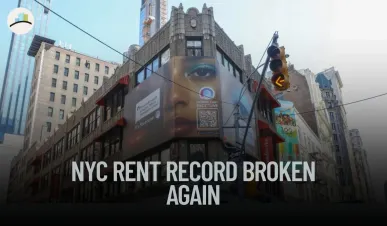
Manhattan’s rental market has reached another historic milestone. As of May 2025, the median monthly rent hit $4,571, marking a new all-time high for the borough. This is the third such record in just four months, reinforcing the intensity of post-pandemic demand and structural strain on supply.
With the peak rental season historically arriving in August, the current trajectory suggests even higher prices in the coming months. Landlords and real estate analysts are already predicting further increases—particularly in luxury and newly renovated units—unless market dynamics shift drastically.
More Articles:
Key Drivers Behind the Rent Explosion
Seasonality Arriving Early
The summer rental surge, usually seen in June through August, began unseasonably early in 2025. A combination of returning college students, tech professionals relocating to New York, and renters opting out of the expensive for-sale market has led to demand spiking several months ahead of schedule.
This early momentum put unusual upward pressure on pricing in April and May. As a result, many new leases are being signed at record levels, often with multiple bidders for prime locations.
Inventory Remains Critically Low
One of the fundamental reasons for this continued price pressure is the lack of available units. Manhattan’s vacancy rate fell to just 1.65%—its lowest level for May in over six years. While new multifamily construction has added units in Hudson Yards, Long Island City, and Midtown West, it has not been sufficient to offset demand.
Further complicating the picture, landlords are holding onto units or selectively renovating to re-list at higher prices. The “shadow inventory” remains high, creating an illusion of broader availability than what tenants actually experience on the ground.
FARE Act’s Ripple Effect on Rental Pricing
The recently enacted FARE Act, designed to shift broker-fee responsibility from renters to landlords, has had unintended consequences. Rather than absorbing the fees, many landlords have simply increased the base rent to offset the added cost.
Analysts estimate that this policy alone has added approximately 3–5% to many new leases signed after June. While the intent of the law was to make renting more affordable, it appears to have added fuel to the inflationary fire in Manhattan's already tight rental market.
Under-the-Radar Influences: What Isn’t Being Reported Enough
Office-to-Residential Conversions Offer Mixed Results
Amid Manhattan’s lingering commercial vacancy, a growing number of office-to-residential conversions are underway. However, most of these projects are targeting the luxury segment, as developers look to recoup high renovation costs.
While this could slightly increase rental inventory, it may do little to address affordability. The typical post-conversion unit targets professionals with six-figure incomes, meaning that much of the working- and middle-class renter base remains underserved.
Mortgage Market Spillover
With 30-year fixed mortgage rates still hovering near decade highs, many would-be homebuyers are sitting on the sidelines. These potential buyers—particularly younger professionals and dual-income couples—are instead fueling demand in the rental market. The prolonged stay in rentals is reducing turnover and keeping vacancy rates suppressed.
This mortgage-to-rent spillover is one of the less visible, but most powerful, forces sustaining high rent levels well into 2025.
Manhattan rents hit a record high for the fourth time in the past five months — and there’s no relief in sight for apartment hunters in the market’s busiest season https://t.co/VEcqpaSBEE
— Bloomberg (@business) July 10, 2025
What Could Shift This Trajectory
Rent Peak Timing
Historically, New York City rents top out in August. If seasonal trends hold, a softening could occur in September or October—especially if new inventory comes online or if demand begins to cool after summer leases are locked.
Policy Adjustments
If city regulators begin to revise the FARE Act or impose temporary rent freezes, there may be downward pressure on rental prices. However, landlords are likely to push back, citing rising maintenance, renovation, and tax costs.
Supply Growth from Office Conversions
While not a short-term solution, the conversion of commercial properties to residential could increase inventory in the next 12–24 months. Whether these units will be affordable remains in question.
Market Correction or Economic Slowdown
Should the broader economy soften or job growth in high-income sectors slow down, rental demand in Manhattan may weaken. As of now, no major signs of a downturn are present, but a shift in sentiment could cool the market quickly.
Strategic Insights for Stakeholders
For Renters
Consider signing long-term leases where possible to lock in rates before potential hikes in August. Be open to emerging neighborhoods like Inwood, Harlem, and the Bronx, where price pressures are less severe.
For Landlords and Investors
The current market remains landlord-friendly. However, regulatory scrutiny is rising. Transparency in pricing and lease terms may help avoid legal risk while maintaining tenant retention.
For Policymakers
The rental crisis underscores the urgent need for scalable, affordable housing—not just luxury units. Reforms should focus on incentivizing developers to create middle-income housing and revisit the structure of broker fee policies.
Disclaimer:
This article is intended for informational purposes only and does not constitute investment advice. Procapitas does not provide personalized financial recommendations. Always consult a licensed financial advisor before making investment decisions. Information is based on publicly available sources as of June 2025 and Procapitas’ independent research and analysis.



