
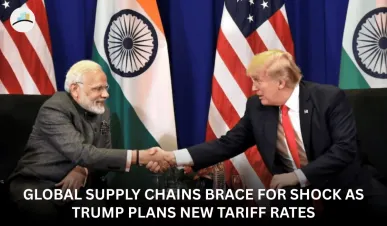
With the clock ticking on a critical trade review between India and the United States, policymakers in New Delhi are facing a moment that could quietly shape the country’s economic trajectory for years. While Wall Street analysts, including Jefferies, have noted that India’s impact depends on its “edge over other countries,” there’s far more beneath the surface than the spreadsheets reveal.
This is more than a trade technicality—it’s a litmus test for India’s ambition to become the world’s next manufacturing powerhouse.
India-US trade talks enter decisive phase: 26 per cent tariff deadline looming ahead https://t.co/IVETJydMIK
— Financial Express (@FinancialXpress) July 4, 2025
Why This Deadline Feels Different
On paper, India seems well-positioned. As companies pivot away from China in the wake of supply chain shocks and geopolitical tension, India has emerged as a natural alternative. Apple is assembling iPhones in Tamil Nadu. Tesla has flirted with setting up a factory. Even semiconductor players are taking notice.
But scratch beneath the optimism, and the picture grows murkier. India’s regulatory hurdles, patchy infrastructure, and protectionist instincts have historically made foreign companies nervous. If the US uses the current trade review to push harder for access—on agriculture, digital goods, or e-commerce—India could find itself in a bind: resist and risk tariffs, or concede and face domestic backlash.
“This is not just about tariffs or quotas. It’s about how India positions itself in a world where supply chains are being redrawn,” says a senior trade policy expert in Delhi.
The Hidden Risks No One’s Talking About
Here’s what’s not making headlines: Vietnam and Mexico are quietly eating into India’s lead. Both countries have struck smart trade deals and built nimble export ecosystems. Meanwhile, India’s logistics costs are among the highest in Asia, and its power grid still struggles with reliability.
There’s also a political wildcard. If Donald Trump returns to the White House in January, New Delhi could face a harder, more transactional US trade stance. That could be a shock for an economy that has so far enjoyed a relatively steady hand under Biden.
The Opportunity Few Are Seeing
And yet, the moment carries opportunity too. If India can strike the right balance, it could win more than favorable tariff treatment. The US is looking for trusted partners in its Indo-Pacific strategy. A savvy deal could open doors to defense tech transfers, supply chain integration, and a bigger say in shaping global trade rules.
In 2019, when the Trump administration withdrew India’s Generalized System of Preferences (GSP) benefits, New Delhi initially hit back with tariffs. But pragmatism prevailed—and relations recovered. This time, with global supply chains under unprecedented strain, the stakes are even higher.
More Articles:
Why This Matters
For India, this isn’t just another trade negotiation. It’s about credibility and timing. The world’s biggest multinationals are scouting for new hubs right now. A stumble at this stage could push them towards rival markets—and India may not get another shot soon.
In other words, the outcome here will answer a bigger question: Can India truly step into China’s shoes in the global economy, or will it remain the “next big thing” that never quite arrived?



