
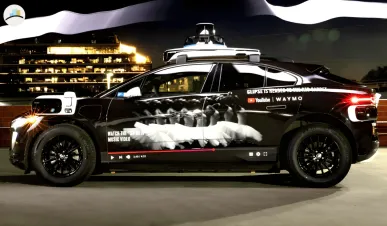
Imagine sitting in a car with no driver, quietly moving through London traffic like it’s completely normal. No small talk, no steering wheel drama, just you and the road ahead.
This idea may sound like sci-fi right now, but London is slowly getting ready for it. Something big is happening behind the scenes, and most people don’t even notice it yet. Waymo, the self-driving car company backed by Google’s parent firm, is making serious moves in the UK.
So what exactly is going on, and when will regular people actually get to ride one?
Why Is Waymo Choosing London for Its Robotaxi Debut?
Waymo is one of the world’s most experienced self-driving car companies. It started as a Google project and is now owned by Alphabet. Unlike many startups still testing ideas, Waymo already runs driverless taxi services in several US cities. London, however, is a very different challenge.
The city has narrow roads, unpredictable traffic, cyclists everywhere, buses stopping suddenly, and pedestrians who cross whenever they feel like it. That’s exactly why London is important. If autonomous cars can work here, they can work almost anywhere. For Waymo, launching in London is not just expansion, it’s a statement.
Why Waymo Cars Are Already Testing London Roads With Humans
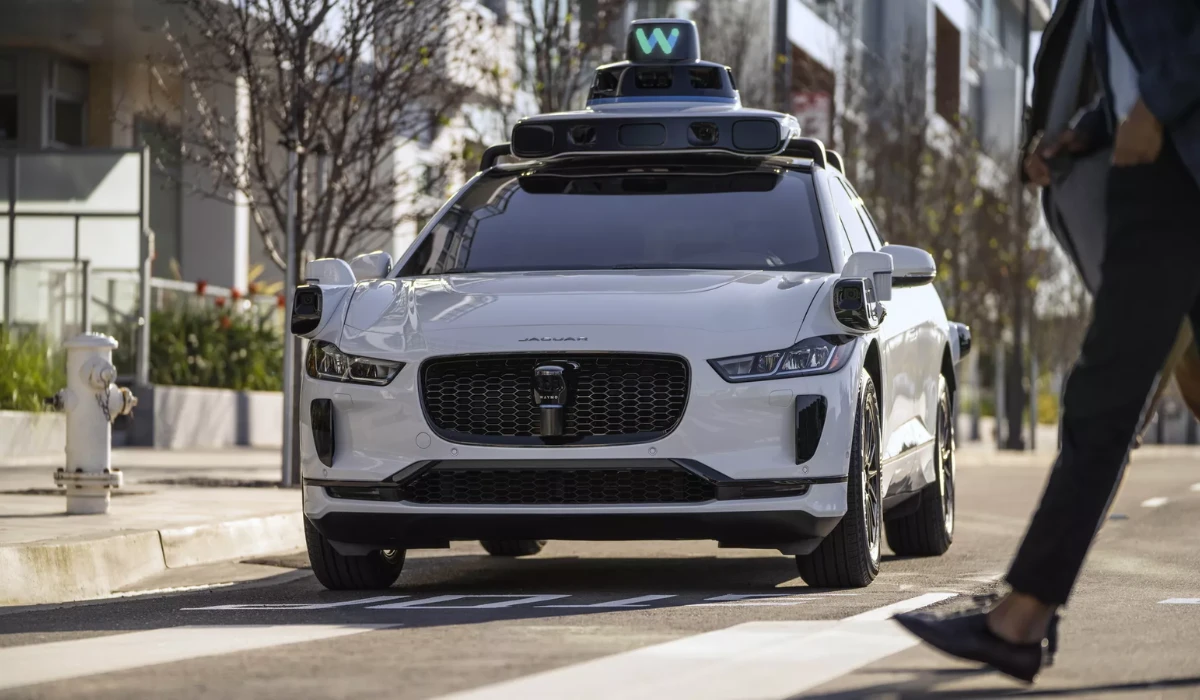
Many Londoners don’t realize this, but Waymo vehicles have already been quietly driving through parts of the city. Around two dozen Jaguar I-Pace electric SUVs are currently being used to map London’s roads. These cars still have human drivers behind the wheel, but they are not normal test drives.
The vehicles operate day and night, covering different traffic situations, weather conditions, and road layouts. Areas like Camden, Hackney, Hammersmith and Fulham, Lewisham, Newham, and Westminster are part of this testing phase. The goal is simple but massive: teach the system how London really behaves, not how maps think it should.
How These Robotaxis Actually See the Road
Inside a Waymo vehicle, there’s a lot more going on than meets the eye. The Jaguar I-Pace models are fitted with cameras, radar, lidar sensors, and microphones. All of this feeds into a powerful computer stored in the rear of the car.
Waymo says the system can see in all directions at once and detect objects far ahead, even beyond what a human driver might notice. It watches cars approaching from behind, bikes passing closely, and small changes in traffic flow. A key part of this training involves mastering 'local quirks' that don't exist in the US. For example, Waymo’s engineers are currently teaching the system to recognize Belisha Beacons—those flashing yellow orbs on striped poles at zebra crossings. In the US, drivers rely on standard stop-and-go lights, but in London, the system must understand that these beacons signal a pedestrian's right-of-way, often requiring subtle 'eye contact' between the car and the person waiting to cross. Mastery of these beacons is essential for the car to feel like a 'natural' London driver. The idea is consistency. Unlike people, the system doesn’t get tired, distracted, or impatient in traffic.
When Will Londoners Actually Ride Without a Driver?
According to UK officials, Waymo plans to start with a limited passenger pilot first. This early phase is expected to begin around spring, allowing selected users to experience driverless rides under close supervision. A wider commercial service could follow later, possibly around September, if everything goes smoothly.
Transport authorities have made it clear that nothing will move forward without strict safety approval. Every vehicle must meet UK road laws, cybersecurity rules, and software protection standards. London would also become Waymo’s first operational city outside the United States, which makes this launch even more important.
What Safety Rules Waymo Must Pass Before UK Launch
The UK government is taking a careful approach here. Local Transport Minister Lilian Greenwood has confirmed that autonomous vehicles will face strong safety checks before being allowed to carry passengers. This includes protection against hacking, secure data systems, and resilience against cyber threats.
Transport for London will have a major say in whether driverless services are approved. Local authorities must agree before any large-scale rollout happens. The government believes automated vehicles could reduce accidents caused by human mistakes, but only if the technology proves itself under real conditions.
How Waymo Remote Assistance Works Without Driving the Car
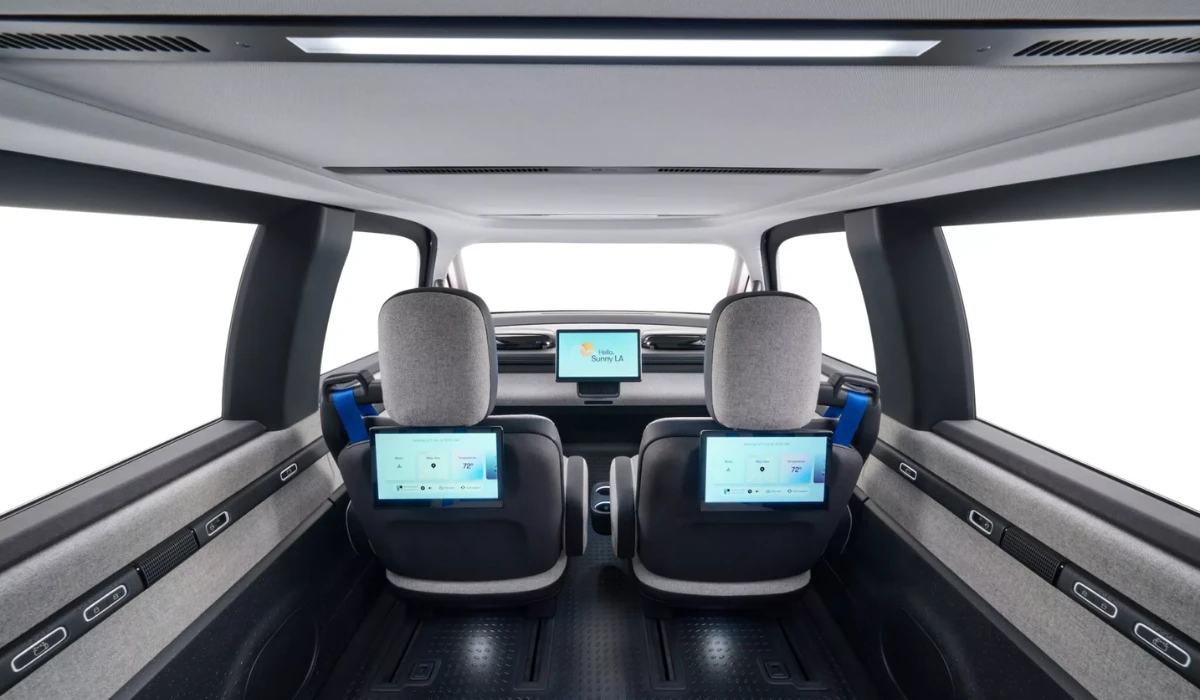
One area that often confuses people is remote control. Waymo says its cars do not have humans driving them from afar. Instead, the system sometimes asks for remote assistance. This means a human may help confirm information, like checking a temporary road sign or blocked lane.
These assistants cannot steer, brake, or accelerate the car. They only provide guidance, and the vehicle decides what to do. One assistant may support multiple cars at once. If the system doesn’t get clear information, the car simply won’t move. This is very different from remote driving, and Waymo is keen to keep that line clear.
Waymo Robotaxi Pricing and Booking What Riders Should Know
When Waymo officially launches, users will book rides through the Waymo app, similar to existing ride-hailing services. Prices are expected to sit at a premium level, especially during busy hours, though exact fares haven’t been shared yet.
Waymo also highlights accessibility benefits. In US cities, visually impaired riders already use driverless taxis to travel independently without needing another person in the car. The company believes this could offer similar freedom in the UK, especially for people who struggle with traditional transport options.
Is Waymo Ready for Growing Robotaxi Competition in London?
Waymo won’t be alone for long. The most significant threat comes from a home-grown rival: the London-based startup Wayve. Backed by a strategic investment from Uber, Wayve is planning its own pilot service in the capital for Spring 2026. While Waymo relies on pre-mapped data, Wayve uses 'embodied AI' designed to learn on the fly. This partnership makes the UK Uber’s largest market for self-driving trials and sets the stage for a major showdown between Alphabet and the Uber-Wayve alliance
With regulators opening doors and technology maturing, London could turn into one of the most competitive autonomous transport markets in the world. For riders, that could eventually mean more options, better pricing, and safer trips.
Waymo UK Launch Faces Questions After US Safety Incidents
While excitement is growing, scrutiny hasn’t disappeared. In the US, safety regulators recently opened an investigation after a Waymo vehicle struck a child near a school in California. The incident didn’t involve serious injury, but it raised fresh questions about safety around pedestrians.
UK officials are watching closely. Any deployment in Britain will operate under UK data protection laws, including GDPR, and public trust will play a huge role in how fast these services expand.
What Happens to UK Transport If Robotaxis Take Over
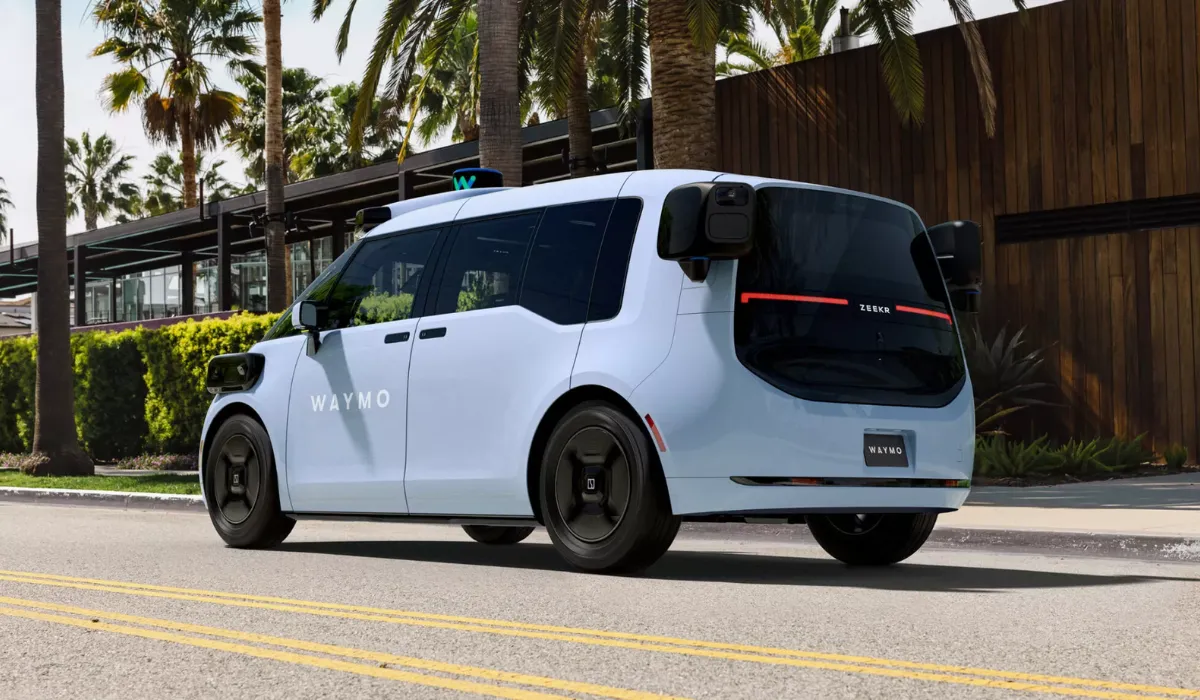
The government estimates that autonomous vehicle technology could add tens of billions to the UK economy and create thousands of jobs over the next decade. Still, questions remain about transparency, human oversight, and how much automation people are comfortable with.
For now, Waymo’s quiet testing phase is a sign that change is already rolling through London streets, even if most people haven’t noticed yet.
Waymo London Robotaxi What Riders Should Know
|
|
|
|
|
|
|
|
|
|
|
|
|
|
|
|
|
|
|
|
|
|
|
|
|
|
|
|
|
|
|
|
|
Conclusion
Waymo’s slow and careful entry into London shows that driverless cars are no longer just an idea on paper. The company is taking time to understand the city, its people, and its roads before opening the service to everyone. While there are still questions around safety, pricing, and public trust, the groundwork is clearly being laid.
For now, Londoners may only notice a few electric SUVs quietly moving through traffic. But in the coming months, these same vehicles could start changing how people think about getting around the city. If everything goes as planned, hailing a car with no driver might soon feel less strange — and more like a normal part of daily life.
ALSO READ:
- Hyundai Santa Cruz Dead: Why the Maverick Killed This Truck
- 2028 BMW M3 G84 Spy Shots Reveal Hybrid Power & New Design
- Pagani Huayra 70 Trionfo: Only 3 Made for Horacio’s 70th!
- Rivian R2 Alert: First Units Hit the Line for June Delivery
- Mercedes-AMG Mythos CLE Coupe Teased With 650+ HP V8 Power
- $11B Bankruptcy Shuts Down Autolite: Is Your Car Next?
- NI First in UK to Introduce Graduated Driving Licences
- Apollo EVO: The Brutal V12 Monster That Has No Rules
- 2026 Toyota HiAce: The 22-Year-Old Van That Refuses to Die!
- Mercedes EQE Successor Spotted Fixing EQE’s Biggest Mistakes
Source(Image / Thumbnail): carscoops



