
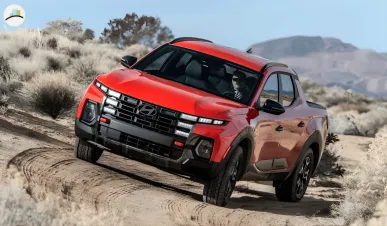
There was no big announcement. No goodbye ad. No last-edition badge. The Hyundai Santa Cruz didn’t crash out of the market — it slowly faded. One day it was still there, parked at dealers. The next, people started asking questions. Now those questions finally have answers, and they say a lot about how tough the truck market really is in the US.
This is not just about one pickup going away. It’s about what Americans actually want from a truck — and what happens when a good idea doesn’t land the way brands expect.
Is Hyundai Really Ending the Santa Cruz?
Short answer: yes, but not loudly.
Reports from industry sources say Hyundai is preparing to wind down Santa Cruz production earlier than originally planned. While the compact pickup was initially expected to stay in production through late 2027, latest industry consensus is that the timeline has been moved up significantly. Sources now confirm the final Santa Cruz is scheduled to roll off the Alabama assembly line in March 2027 (Q1). This "early sunset" effectively confirms the model is entering its final year of production.
Hyundai has responded carefully to these reports. When asked directly, a company spokesperson said that Santa Cruz production plans for 2026 remain unchanged, but didn’t deny the wider report or provide clarity for 2027. This kind of response usually means the decision is already made internally, even if it’s not being shouted from the rooftops.
Officially, Hyundai is staying calm. Behind the scenes, the March 2027 deadline is the final chapter.
Why the Santa Cruz Couldn’t Decide What It Wanted to Be
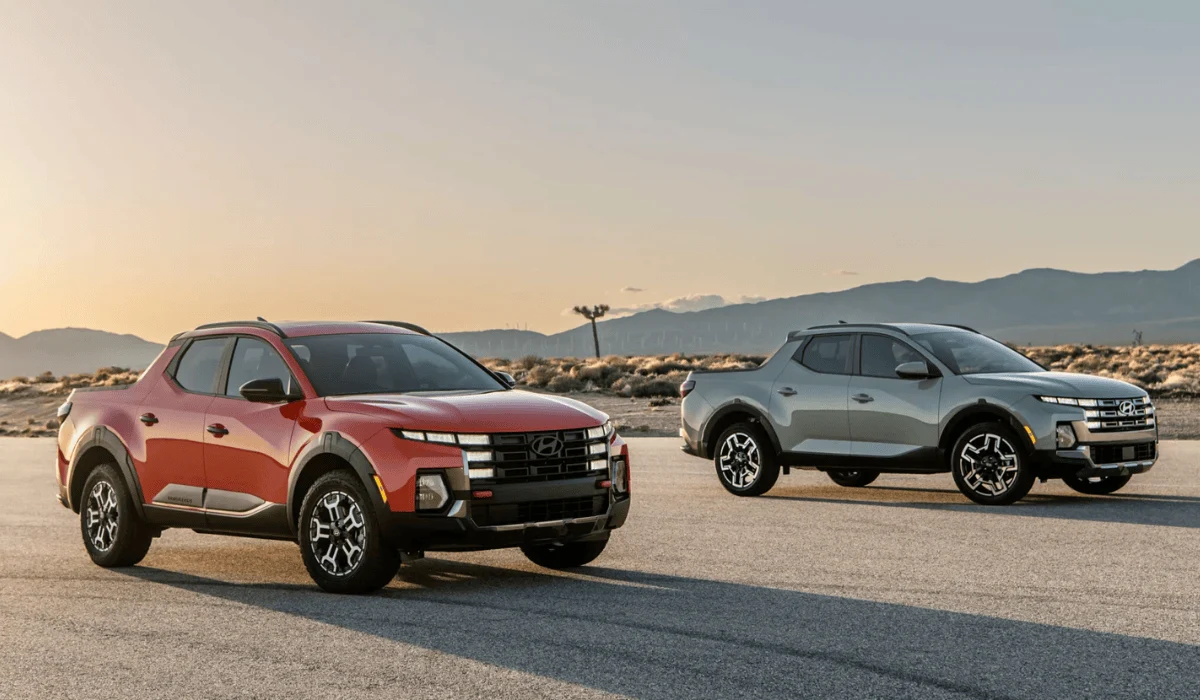
On paper, the Santa Cruz sounded perfect. Take a comfy crossover, add a small truck bed, and sell it to people who want adventure but don’t want a massive pickup. Kayaks, bikes, weekend trips — that was the dream.
In real life, the Santa Cruz struggled to explain what it actually was.
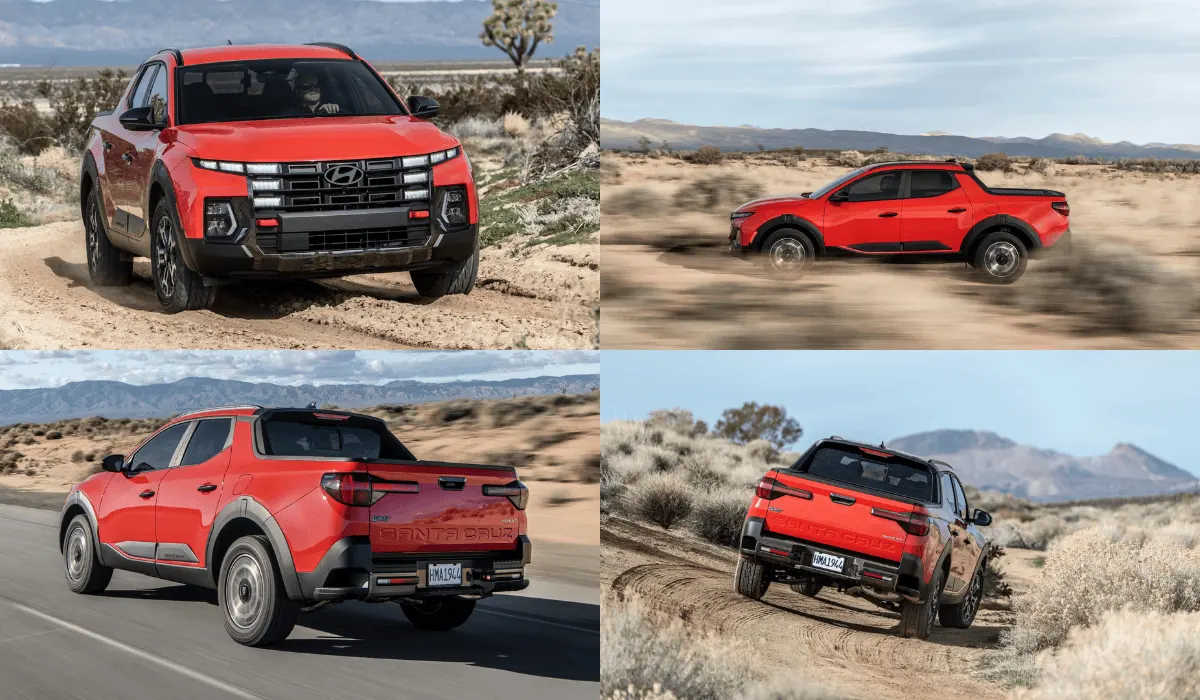
Truck buyers found it too soft. SUV buyers didn’t want an open bed. It sat in the middle, trying to please everyone, but not fully winning either side. Even Hyundai’s attempt to toughen things up with the XRT off-road style model didn’t change the story much. It looked cooler, sure, but the core problem stayed the same.
People liked looking at it. Fewer people actually signed the paperwork.
The Ford Maverick Problem Hyundai Never Solved
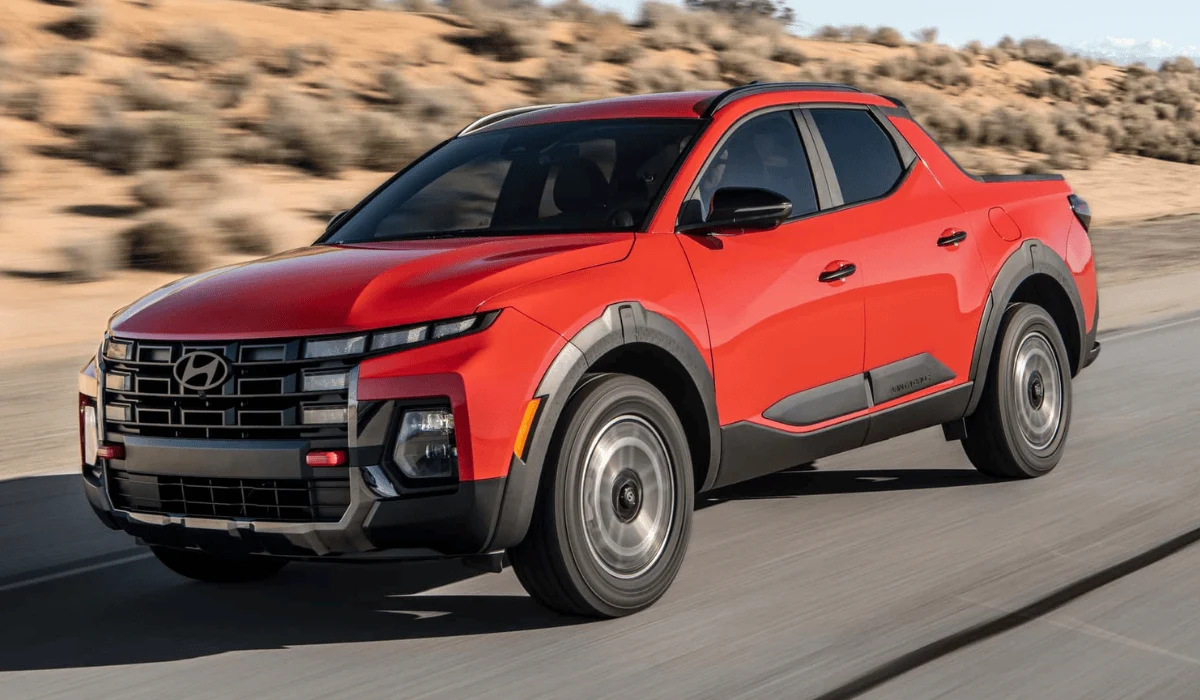
While Santa Cruz was trying to find its identity, the Ford Maverick was quietly dominating.
Ford’s small pickup checked boxes that mattered:
-
lower starting price
-
more traditional truck look
-
and most importantly, a hybrid option
That hybrid choice mattered more than Hyundai expected. Buyers who cared about fuel costs went straight to Ford. Truck buyers who wanted a “real truck feel” also leaned Maverick.
The numbers are brutal. Last year, Ford sold about 155,000 Mavericks, which was even higher than the year before. In the same time, Santa Cruz sales fell around 20 percent, landing near 25,500 units. That gap is impossible to ignore.
At that point, the market had already decided.
From Showroom Favorite to Dealer Headache
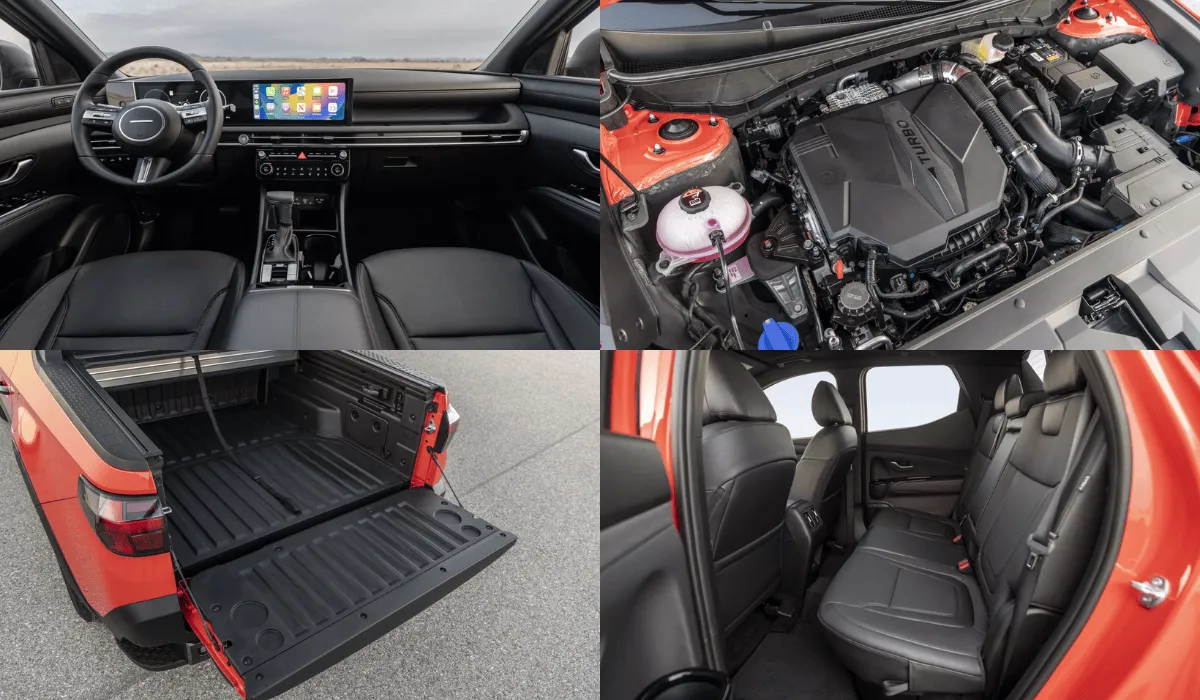
Sales slowdown brings another problem: inventory. By the start of 2026, Hyundai dealers were left with a massive 150-day supply of unsold Santa Cruz models—nearly five months’ worth of stock sitting on lots. This represents the highest inventory level in the entire segment and served as the "smoking gun" for the model's cancellation.
According to people close to the situation, including suppliers and internal briefings, Hyundai reacted to this red flag by cutting Santa Cruz production roughly in half in early 2026. The plan now is to end production well before the original 2027 target. That slowdown also serves another purpose: it frees up factory space in Alabama for something people actually want more of — the Hyundai Tucson.
Tucson sales jumped nearly 14 percent last year, crossing over 230,000 units. From a business point of view, the choice was obvious.
What Hyundai Is Actually Saying About the Santa Cruz
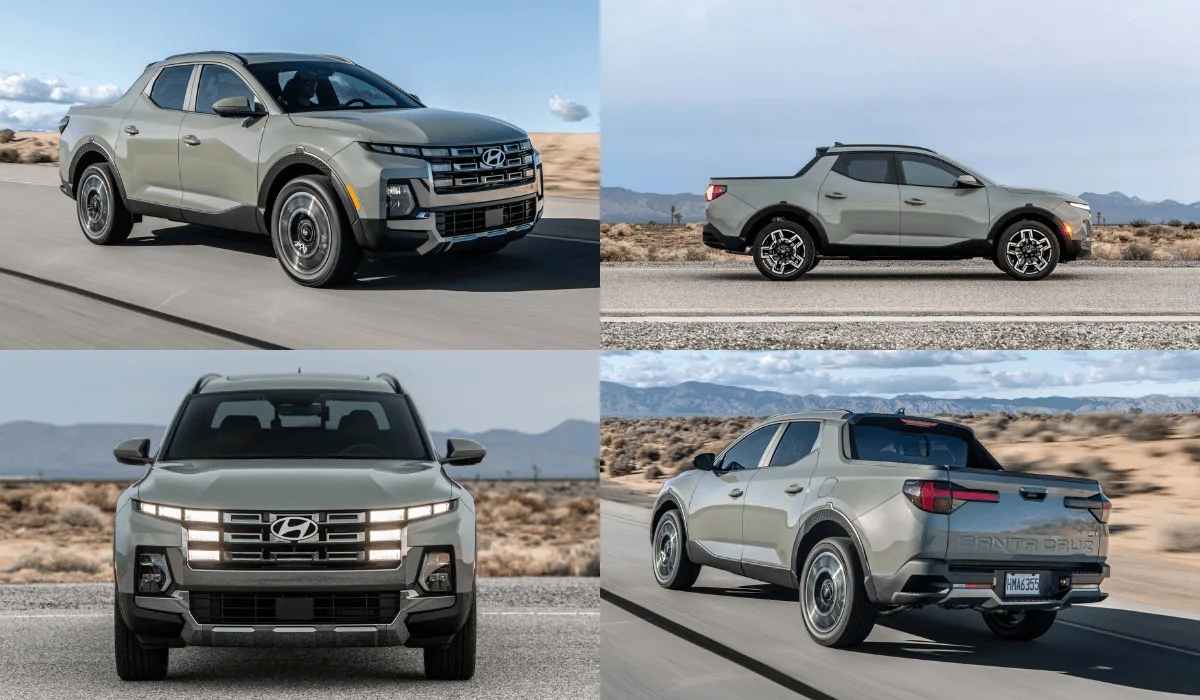
Hyundai isn’t calling the Santa Cruz a failure. Publicly, the company says the truck helped them reach a new type of customer and gave valuable experience in the open-bed market.
In official statements, Hyundai has said:
-
Santa Cruz remains part of the current portfolio
-
long-term planning depends on demand and market trends
-
the model helped prepare Hyundai for future truck projects
That last part is important. Hyundai openly admits Santa Cruz was a learning step, not the final answer.
The Next-Gen Tucson Connection
Beyond just sales numbers, the real technical 'nail in the coffin' is the upcoming next-generation 2027 Hyundai Tucson. Since the Santa Cruz shares its platform and parts with the Tucson, Hyundai faced a massive financial hurdle. Developing a new version of the truck would have required millions of dollars in re-engineering to fit the new 2027 chassis. With the current model sitting on a 150-day supply, Hyundai decided it simply wasn't worth the investment to update a struggling experiment.
Hyundai Isn’t Done With Trucks — It’s Planning Something Bigger
Here’s the real twist: Hyundai is not leaving the truck market at all.
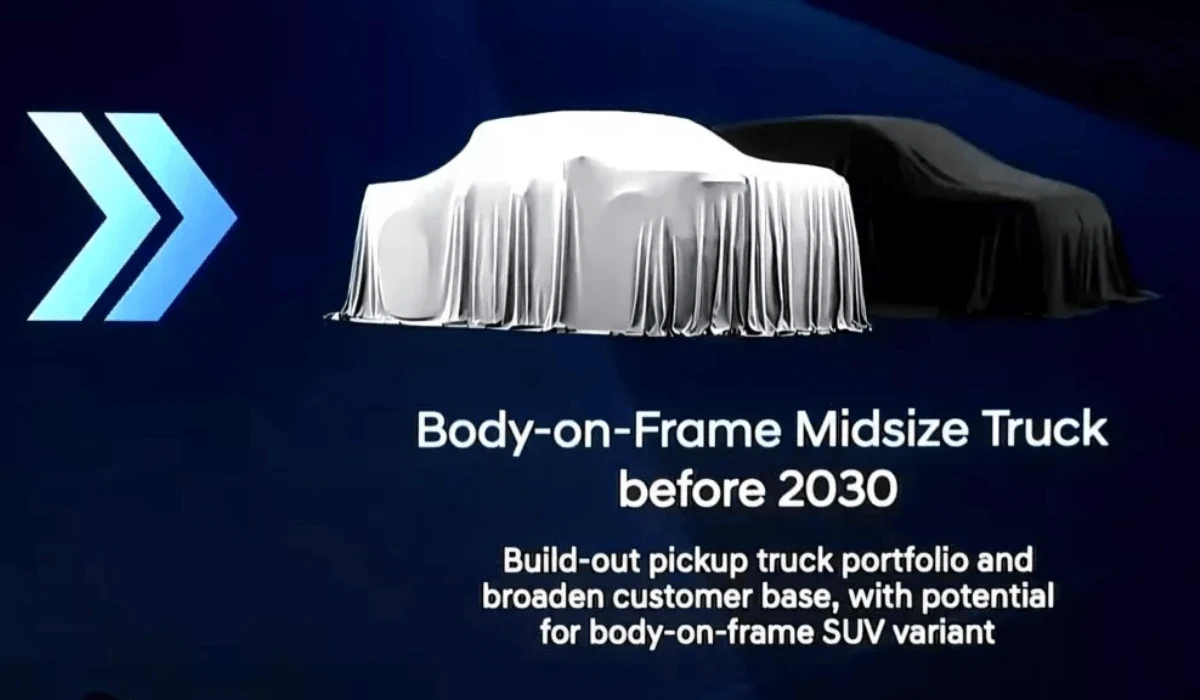
The company has already confirmed it’s working on a mid-size, body-on-frame pickup, aimed directly at American buyers. This truck will be very different from Santa Cruz. No crossover roots. No identity confusion.
Think:
-
Ford Ranger
-
Toyota Tacoma
-
Chevrolet Colorado
Production is expected to start around 2029, with sales targeted before 2030. Hyundai’s CEO has even hinted that this new truck platform could also support a rugged SUV, something to fight the Toyota 4Runner and Ford Bronco.
Bigger trucks mean bigger margins — and much stronger appeal in the US.
What Happens Now for Santa Cruz Owners?
If you own a Santa Cruz, there’s no sudden bad news.
Hyundai will:
-
continue service and support
-
provide parts
-
honor warranties
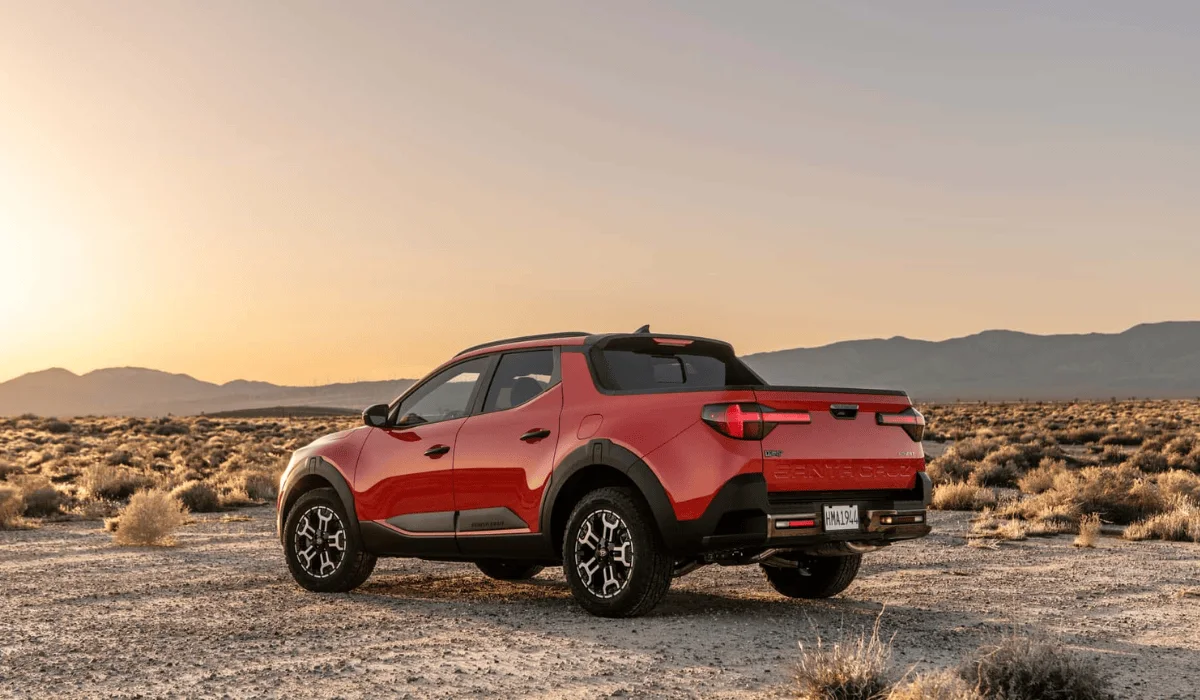
The truck won’t disappear overnight. And because it was only sold for a few years, it may even become a bit of a rare sight on roads. Some owners already say they like owning something different, even if the market moved on.
Hyundai Santa Cruz Quick Specifications
|
|
|
|
|
|
|
|
|
|
|
|
|
|
|
|
|
|
|
|
|
|
|
|
|
|
|
|
|
|
|
|
|
|
|
|
What Santa Cruz’s Exit Really Tells Us About Truck Buyers
The Santa Cruz was not a bad truck. It just arrived in a market that didn’t want compromise. American buyers still prefer real trucks, even if they rarely use full capability.
Hyundai tried something different. It didn’t work as planned. Instead of forcing it, the company is adjusting — and aiming higher.
Round one didn’t land. Round two might.
ALSO READ:
- 2028 BMW M3 G84 Spy Shots Reveal Hybrid Power & New Design
- Pagani Huayra 70 Trionfo: Only 3 Made for Horacio’s 70th!
- Rivian R2 Alert: First Units Hit the Line for June Delivery
- Mercedes-AMG Mythos CLE Coupe Teased With 650+ HP V8 Power
- $11B Bankruptcy Shuts Down Autolite: Is Your Car Next?
- NI First in UK to Introduce Graduated Driving Licences
- Apollo EVO: The Brutal V12 Monster That Has No Rules
- 2026 Toyota HiAce: The 22-Year-Old Van That Refuses to Die!
- Mercedes EQE Successor Spotted Fixing EQE’s Biggest Mistakes
- 2026 ARGO Sasquatch XTX: Watch the 71-Inch Monster in Water
Source(Image / Thumbnail): www.motor1.com



