
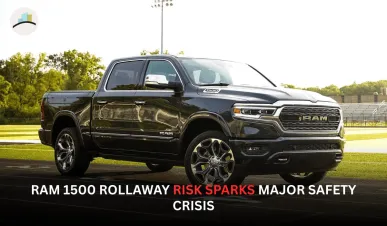
From Best-Seller to Safety Risk: Ram 1500 Faces Crisis
The Ram 1500 — a staple of American driveways and job sites — is now in the crosshairs of federal safety regulators. The National Highway Traffic Safety Administration (NHTSA) has launched a major investigation into over 1.1 million Ram 1500 trucks after reports of vehicles rolling away unexpectedly when parked.
Fiat Chrysler Automobiles (now part of Stellantis) is facing mounting pressure as incidents pile up, including dozens of crashes and at least one injury tied to potential electronic shifter malfunctions.
But beyond the mechanical issue lies a much bigger story — trust, liability, and the future of vehicle automation.
Why This Matters
This isn’t just another recall. The Ram 1500 is one of America’s top-selling full-size trucks, often marketed for its safety, durability, and advanced features. A defect that allows it to roll away while parked doesn’t just raise red flags — it undermines public trust in core vehicle technology.
With modern trucks increasingly reliant on drive-by-wire systems and digital interfaces, this case could be a litmus test for how regulators, automakers, and consumers navigate the risks of automotive digitization.
What’s Not Being Discussed Enough
1. A Wider Industry Risk in Electronic Gear Selectors
This issue isn't limited to Ram. The rise of electronic shifters — replacing mechanical linkages with sensors — has been seen across brands (e.g., Ford, BMW, Jeep). Could this investigation trigger a broader recall sweep across other OEMs?
2. Legal Exposure for Stellantis Could Be Substantial
Depending on the investigation’s outcome, class-action lawsuits, federal fines, and potential criminal liability may emerge — especially if internal communications reveal early awareness of the flaw.
3. Supply Chain Scrutiny Could Follow
If the problem traces back to a Tier-1 supplier, such as a shifter or transmission control module manufacturer, supply chain risk exposure may hit multiple automakers — adding tension in an already fragile post-COVID auto supply chain.
4. Reputational Damage Ahead of EV Push
Stellantis is aggressively positioning Ram in the electric truck race (with the Ram 1500 REV EV). But safety credibility is foundational for new product acceptance. A scandal here could delay launches or hurt EV trust.
More Articles:
Business & Economic Impacts
-
For Stellantis: Already navigating global EV competition, a costly recall could affect its balance sheet and investor confidence, especially in the U.S. market where Ram is its top performer.
-
For Auto Industry Investors: This may spark revaluation of risk for tech-heavy OEMs, especially those increasing software-controlled systems over traditional hardware.
-
For Regulators: The NHTSA is under pressure to act swiftly and visibly. This could lead to more aggressive oversight, even beyond this case, especially as software integration outpaces regulation.
Historical Parallel: Jeep Grand Cherokee Rollaway Deaths
In 2016, a gear-shifting flaw in the Jeep Grand Cherokee was linked to the death of actor Anton Yelchin. That case led to a massive recall and dragged FCA into regulatory hot water. The Ram 1500 issue echoes this, raising serious déjà vu in the safety watchdog community.
Expert Commentary
Automotive safety expert Sean Kane warns:
“These aren’t just mechanical failures — they’re design philosophy flaws. When human expectation doesn’t match tech behavior, danger follows.”
Hidden Risk: Insurance Fallout
If parked vehicles roll and cause damage or injury, insurers may shift liability away from owners and onto manufacturers, raising costs and possibly leading to policy exclusions or coverage disputes.
Final Thought
The Ram 1500 probe is not just about fixing a defect — it's about fixing confidence. In an era where vehicles are increasingly digital machines, the line between innovation and danger is razor-thin.
How Stellantis responds could shape the next decade of trust in American auto tech.



