
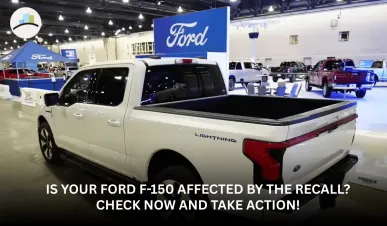
Ford Recalls F-150: A Detailed Guide for Owners
Ford has issued a recall for over 22,000 F-150 trucks in Canada due to a potential power loss risk. The rear axle hub bolts in these trucks may fail, causing the axle to separate, which can lead to a loss of power to the wheels. This issue affects F-150 models from 2023, 2024, and 2025, specifically those equipped with the Trailer Tow Max Duty package. In this article, we’ll break down everything you need to know, including which trucks are most likely to be affected, how this could impact you, and what safety precautions you should take if you own one of the affected models.
Which Ford Trucks Are Affected by the Recall?
While the primary focus of the recall is on the Ford F-150, it’s essential to clarify exactly which model years and specific trucks are impacted. The recall affects 22,664 Ford F-150 trucks in Canada, with the following criteria:
-
Model Years: 2023, 2024, and 2025 F-150 trucks.
-
Affected Package: The Trailer Tow Max Duty optional package.
This Ford F-150 recall only affects vehicles with the specific configuration, so not all F-150 models are included. Ford has released a dedicated tool on their recall support site to help truck owners check if their vehicle is part of the recall by simply entering their Vehicle Identification Number (VIN).
What Are the Risks of the Ford F-150 Recall?
The Ford F-150 recall poses a significant risk to vehicle safety. The core issue is a defect in the rear axle hub bolts, which can cause the axle to separate from the vehicle during operation. This separation results in a loss of power to the wheels, meaning the truck could unexpectedly stop or lose power while driving, particularly when towing or under load.
Potential Impact on Drivers and Passengers
The defect can increase the risk of accidents, especially when driving at high speeds or towing heavy loads. A sudden loss of power could result in:
-
Increased accident risk due to loss of vehicle control.
-
Injuries to passengers or others on the road due to abrupt stopping or loss of steering power.
-
Safety concerns for towing as the defect could cause towing vehicles to lose power while carrying heavy loads.
This issue could also result in significant disruptions to drivers’ schedules, especially those using their trucks for business or personal use. The need for repairs could lead to downtime, which could impact daily operations.
How to Check If Your Ford F-150 Is Affected by the Recall
Ford provides an easy-to-use tool on their official website to check if your truck is part of the Ford F-150 recall. To verify if your vehicle is affected, simply enter your Vehicle Identification Number (VIN) on Ford’s recall support page. This tool will let you know immediately if your vehicle is among those that need attention.
What Should You Do If Your Ford F-150 Is Affected?
If your Ford F-150 is affected by the recall, Ford will notify you by mail. However, it’s always a good idea to stay ahead of the curve by checking your VIN. If your truck is part of the recall, here’s what you need to do:
-
Visit a Ford Dealership: Take your truck to an authorized Ford dealership as soon as possible.
-
Free Repair: Ford will perform the necessary repairs, which include replacing the defective axle hub bolts, free of charge.
-
Vehicle Inspection: Dealerships will inspect the vehicle to ensure that all affected parts are fixed and that your truck is safe to drive again.
RELATED ARTICLE:
What Safety Measures Should Affected Ford F-150 Owners Take?
While awaiting repairs, if you are driving an affected Ford F-150 model, there are certain safety precautions you can take:
-
Avoid Towing: If your truck is used for towing, avoid using it for heavy loads until the defect is addressed. The risk of power loss is higher when towing, so refrain from towing trailers, boats, or heavy equipment.
-
Drive Cautiously: Avoid high-speed driving and abrupt maneuvers that could exacerbate the risk. Stick to low speeds until your vehicle is repaired.
-
Monitor Vehicle Performance: Pay close attention to any abnormal performance, including power loss or unusual sounds. If you notice anything concerning, contact your local dealership immediately.
-
Keep Communication Open: Stay in touch with your dealership and keep an eye on any communications from Ford regarding updates on your recall status.
What Does the Recall Mean for Ford’s Reputation?
The Ford F-150 recall raises important questions about quality control and the potential impact on Ford’s brand image. Recalls, especially those affecting popular models like the F-150, can have short-term repercussions, including a loss of consumer confidence. However, Ford’s proactive approach to resolving the issue by offering free repairs and notifying owners shows the company’s commitment to safety and customer satisfaction.
While recalls are concerning, they also highlight the industry’s ability to address issues quickly and efficiently when they arise. In the long run, how Ford handles the F-150 recall will play a crucial role in maintaining the company’s reputation for quality and reliability.
Long-Term Implications: What’s Next for Ford F-150 Owners?
While the Ford F-150 recall addresses an immediate safety concern, it also prompts a broader conversation about the importance of vehicle safety and quality assurance. For Ford F-150 owners, this recall is an opportunity to ensure that their vehicles are up-to-date and safe to drive.
Going forward, owners can expect better quality control measures, more robust recall procedures, and a stronger emphasis on vehicle safety. Ford, along with other automakers, will likely focus on enhancing manufacturing processes to prevent similar defects from happening in the future.
Conclusion: Taking Action with the Ford F-150 Recall
If you own a Ford F-150, it’s crucial to stay informed about the recall and take necessary action. Ford is making the repair process as smooth as possible, but as an owner, it’s essential to stay on top of the situation and take proactive steps to ensure your truck is safe. By understanding the recall process, checking your vehicle with the VIN lookup tool, and following recommended safety precautions, you can keep your F-150 running smoothly and safely.



