
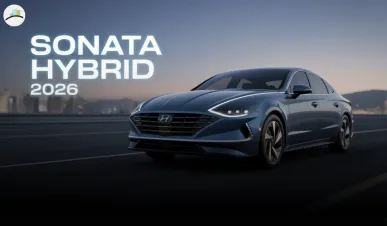
Hyundai Sonata Hybrid Revamp: A New Standard in Affordable Efficiency
Hyundai’s introduction of the 2026 Sonata Hybrid with a more affordable price point and improved fuel efficiency is poised to make waves in the midsize sedan market. With a starting price of just $29,050, the new Sonata Hybrid offers an enticing blend of environmental benefits and modern features for consumers seeking an affordable, eco-friendly vehicle.
The midsize 2026 Hyundai Sonata breaks cover with newly available SEL Sport and Hybrid Blue trims. In addition, deliveries for the sedan will commence later this fall from $27,300, excluding the mandatory $1,245 destination and handling charge. #Hyundai #SonataHybrid #Sonata pic.twitter.com/4KqcF84reJ
— GearheadCole ⚙️ (@cole_marzen) October 11, 2025
MORE ARTICLES:
The Business Strategy Behind the Sonata Hybrid’s Price Cut
Hyundai’s decision to reduce the Sonata Hybrid’s price is part of a larger effort to compete in a market increasingly focused on sustainability and fuel efficiency. By making hybrid technology more accessible, Hyundai is positioning the Sonata as a viable alternative to the Toyota Camry Hybrid and Honda Accord Hybrid. The price adjustment not only caters to the growing demand for hybrid vehicles but also helps Hyundai remain competitive in a market dominated by rising interest in electric vehicles (EVs).
However, this move may indicate a larger trend within the auto industry, where automakers are focusing on lowering the price of hybrid and EV models to remain relevant amidst global economic shifts. The lower pricing, though beneficial for consumers, might result in reduced margins for automakers, forcing them to explore additional revenue channels, including hybrid and electric technology development.
Sonata Hybrid Price and Features
| Feature | Details |
|---|---|
| Starting Price | $29,050 |
| Engine | 2.5-liter 4-cylinder engine with 191 hp and 181 lb-ft of torque |
| Transmission | 8-speed automatic |
| Fuel Efficiency | Improved efficiency compared to the previous model |
| Interior | 12.3-inch infotainment system, 4.2-inch instrument cluster, wireless charging |
| Driver Assistance | Includes Smart Cruise Control, Forward Collision Avoidance, Lane Assist |
Porsche Shifts Focus: Withdrawal from WEC Hypercar Program
Porsche’s decision to withdraw from the World Endurance Championship’s (WEC) Hypercar program marks a significant shift in its motorsports strategy. Despite winning numerous accolades with the Porsche Penske team, including the WeatherTech championship, Porsche has cited financial difficulties and the evolving landscape of motorsport as reasons for stepping away from Hypercar racing.
Porsche’s move is not entirely surprising, as the automotive world continues to pivot towards electric vehicle (EV) technology and sustainability. Porsche plans to shift its focus to Formula E and the IMSA WeatherTech SportsCar Championship, signaling a future-oriented approach that aligns with the company’s strategy to lead in electric motorsport.
Porsche’s Withdrawal: Strategic or Financial Necessity?
| Aspect | Details |
|---|---|
| Motorsport Focus | Withdrawal from WEC Hypercar, focus on Formula E and IMSA Championship |
| Reasons for Exit | Financial pressures, U.S. tariffs, declining demand in key markets (China) |
| Future Plans | Focus on developing and showcasing electric technology in Formula E and IMSA |
| Impact | Likely to have repercussions on Porsche’s brand image in motorsports, but align with electric car goals |
The 1969 Camaro Restomod: A Bold Step Into Custom Car Culture
A custom-built 1969 Chevrolet Camaro has made headlines for its extensive modifications, representing the latest in the growing trend of high-performance restomods. Equipped with a 1,000-hp Borowski LSX V8 engine and a 6-speed manual transmission, the car is a perfect example of modern customization blending with classic design.
While some enthusiasts may question the departure from original design, the Camaro restomod highlights a growing demand for personalized vehicles that combine nostalgic appeal with modern performance. The restomod market is booming, with some builds costing up to $300,000, reflecting a profitable niche in the luxury automotive sector.
Camaro Restomod: A Glimpse Into the Future of Classic Car Restoration
| Feature | Details |
|---|---|
| Engine | 1,000-hp Borowski LSX V8 with 2.91-liter supercharger |
| Transmission | 6-speed manual |
| Body Modifications | Custom steel body with modified front and rear bumpers |
| Interior | Aftermarket components including a basic dashboard and a 3-spoke steering wheel |
| Cost | $300,000+ build cost |
Broader Implications: What Does This Mean for the Automotive Industry?
The decisions by Hyundai, Porsche, and the rise of custom-built vehicles like the Camaro restomod point to several ongoing trends in the automotive industry. Automakers are facing increasing pressure to meet consumer demands for eco-friendly and customizable vehicles while balancing their profitability in an increasingly competitive market.
The future of the industry will likely be shaped by the following:
-
Shifting Consumer Preferences: A strong push towards hybrid and electric vehicles, especially as automakers like Hyundai focus on making these options more affordable.
-
Motorsport Evolution: Porsche’s withdrawal from traditional endurance racing in favor of electric racing signifies the growing importance of sustainability in motorsports.
-
Personalization and Luxury Restomods: The increasing popularity of custom-built cars demonstrates a growing interest in high-performance, personalized vehicles in niche markets.
As automakers navigate these transitions, those that can successfully balance sustainability with profitability, while catering to evolving consumer preferences, will likely lead the way in the automotive revolution.



