
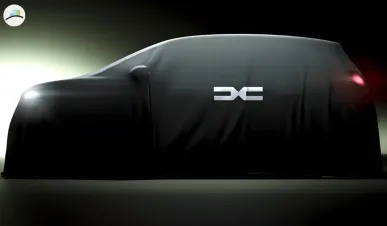
Electric cars are everywhere right now. On ads, on roads, and all over social media. But there is one problem many people quietly feel — most EVs still cost too much. Not everyone can spend big money just to go electric. Now here’s the interesting part. Dacia, the brand known for doing things cheap and simple, is planning something that could surprise many people. It’s small, electric, and made for real life. And yes, it might finally make electric cars feel normal, not fancy.
Dacia Budget Electric Car What We Know So Far
Dacia is working on a new entry-level electric car, and this is not a rumor anymore. The company has confirmed that this upcoming EV will be based on the Renault Twingo platform, which already exists and is well tested in Europe. This helps Dacia keep costs low and development faster. The goal is clear — make an electric car that normal people can actually buy.
Unlike premium EVs that focus on big screens or crazy speed, this Dacia EV is about basic mobility. It’s expected to be small in size, easy to drive, and perfect for city use. This approach also matches how most people actually drive every day. Short trips, daily commute, shopping runs — not racing on highways. Dacia wants this car to feel familiar, not intimidating.
The Real Reason Everyone Is Watching This Dacia EV Price
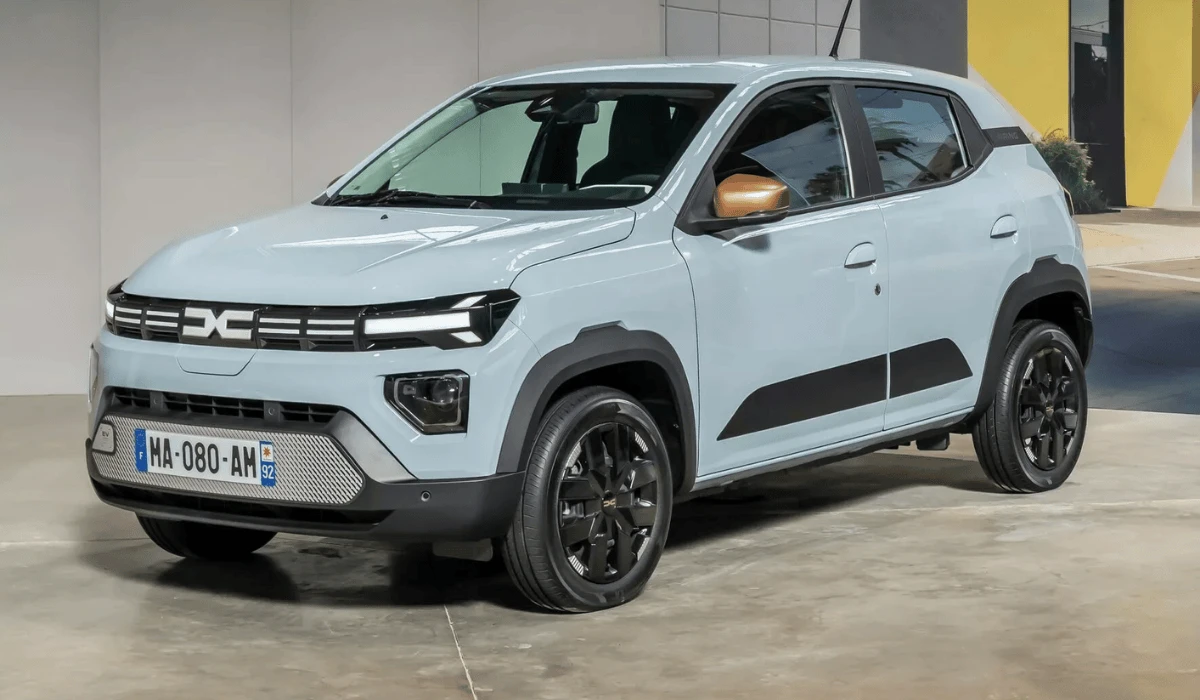
One number is getting everyone’s attention — €18,000. That is the expected starting price in Europe for this Dacia electric car. While final pricing can change depending on country and taxes, this figure already puts it among the cheapest EVs planned by a European brand.
This pricing is important because Chinese EV makers are entering Europe with very aggressive prices. Dacia’s move is clearly a response to that pressure. Instead of competing with luxury electric cars, Dacia is saying, “We’ll compete on affordability.” And honestly, many buyers want exactly that.
For first-time EV buyers, students, or families looking for a second car, this price makes electric driving feel possible. It also sends a message that EVs don’t always need to be expensive or over-engineered.
Why Dacia’s New Budget EV Looks More Like an SUV Than a City Car
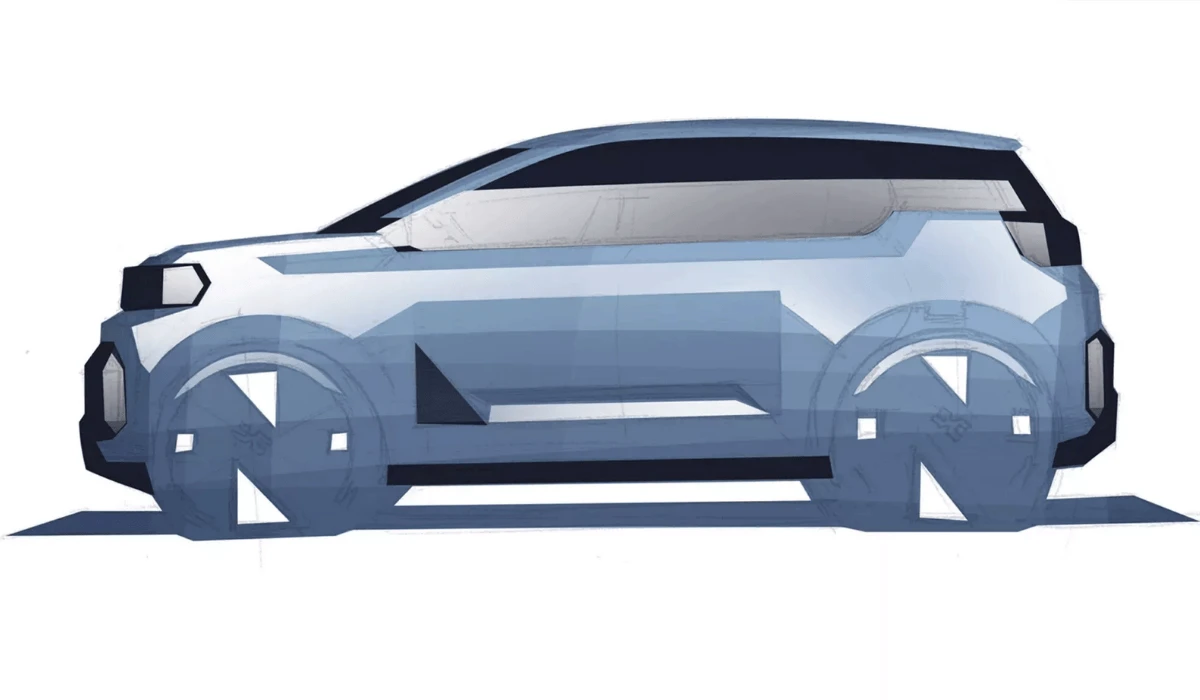
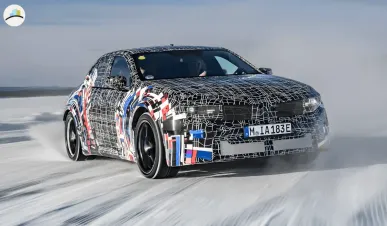
While the Renault Twingo goes for a "cute" retro look, Dacia is taking a different path. Teaser sketches and leaked prototypes reveal that this budget EV will feature rugged crossover cues to match the brand’s "outdoor" identity. Expect a higher ground clearance, plastic body cladding to protect against city scrapes, and sharper, more aggressive lines than its Renault sibling.
This "mini-SUV" styling isn't just for looks—it makes the car feel more substantial and versatile, which is a major selling point for Dacia buyers who want a car that can handle more than just perfectly paved city streets.
Why Dacia Is Using the Renault Twingo Platform for Its New EV
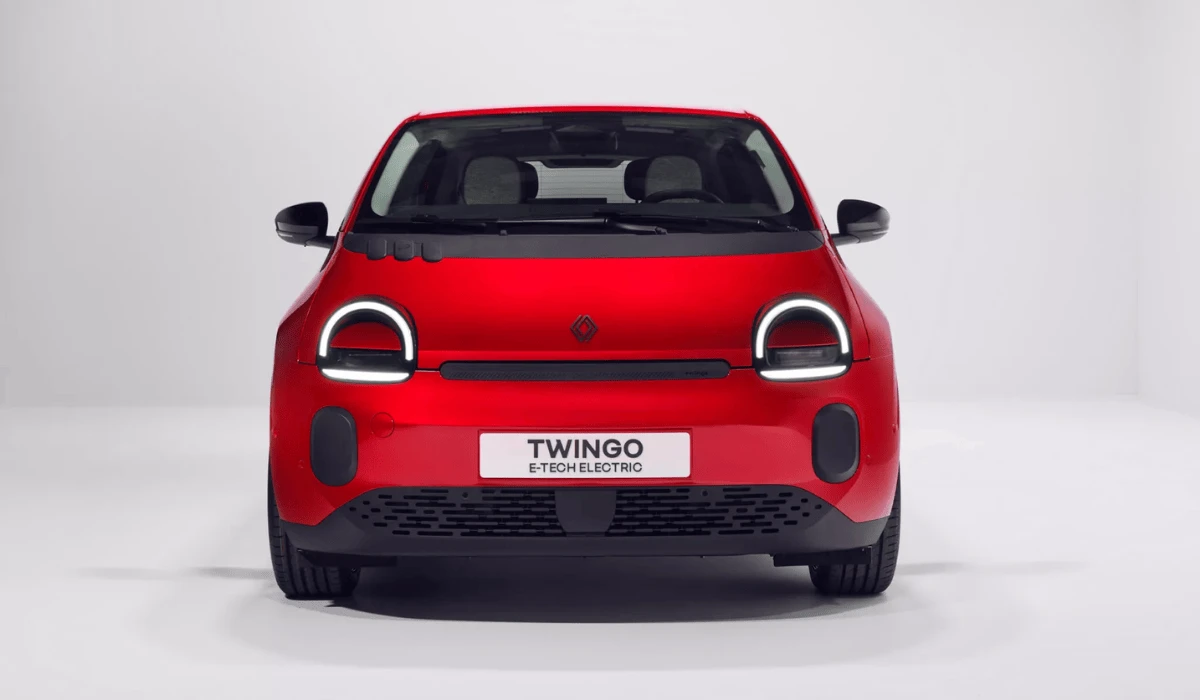
Using the Renault Twingo electric platform is a smart decision. This platform is already designed for small electric cars, especially for crowded European cities. It keeps the car compact, lightweight, and efficient. Also, reusing this platform helps Dacia save money, which directly helps keep the final price low.
Because it’s a city-focused platform, expect easy steering, a tight turning radius, and simple handling. Under the hood, this Twingo-twin is expected to feature a 27.5 kWh LFP battery, providing a range of approximately 160 miles (260 km). While it won’t be a long-range highway cruiser, that’s not the job here. This EV is being built for daily use, where a quick 30-minute top-up at a fast charger or an overnight charge at home is more than enough for the average commute.
Another benefit is reliability. Since the platform is already known and used by Renault, surprises are fewer. Buyers usually like cars that feel tested and trustworthy, rather than experimental.
How This EV Helps Dacia Meet CO2 Rules
There is another important reason why this car exists — CO2 fleet targets. European rules are becoming stricter every year, and carmakers must reduce their average emissions. For brands like Dacia, which sell many petrol cars, this is a real challenge.
This new budget EV will help balance Dacia’s overall emissions. Even if it doesn’t sell in massive numbers at first, every electric car sold helps reduce fleet CO2 averages. That’s why this model is very important for Dacia’s future in Europe.
Instead of forcing customers to buy expensive EVs, Dacia is trying a different way — make EVs cheap, practical, and acceptable for daily life. That strategy feels more honest and realistic.
What Kind of Buyers Is Dacia Targeting
This electric car is clearly not aimed at luxury buyers. Dacia is targeting regular people — city drivers, young professionals, small families, and anyone who wants low running costs. Electric cars already save money on fuel and maintenance. Combine that with a low purchase price, and suddenly EV ownership makes sense.
Dacia buyers usually value function over flash. They want cars that do the job without drama. This EV fits perfectly into that mindset. It’s also likely to attract people who were waiting on the sidelines, unsure if electric cars were worth it yet.
If Dacia gets this right, it could quietly become one of the most important EVs in Europe — not because it’s exciting, but because it’s usable.
Dacia Budget Electric Car Specification (Expected)
|
|
|
|
|
|
|
|
|
|
|
|
|
|
|
|
|
|
|
|
|
|
|
|
|
|
|
|
|
|
|
|
|
Why This Cheap Dacia EV Is Making Big Brands Nervous
This car may not look bold or futuristic, but its impact could be big. Affordable EVs are still rare from traditional European brands. If Dacia succeeds, others may have to follow. More competition at the lower end is good news for buyers.
Also, this car shows that electric mobility doesn’t need to be complicated. No fancy tech overload, no extreme performance claims — just a clean, simple electric car for everyday use. Sometimes that’s exactly what people are waiting for.
ALSO READ:
- BMW Electric M3: The "Final" Truth About the Petrol Engine
- 2026 Kia K4 Sportswagon Revealed: Better Than an Octavia?
- Ford Super Duty AEV FXL Is a Wild 40-Inch Tire Monster
- Ford Has a $160,000 Mechanic Job—So Why Is No One Taking It?
- 2027 Chevy Bolt: The $28,995 EV That Ends the Nissan Leaf
- 2026 Peugeot 408 Facelift Adds Tech You Didn’t See Coming
- Toyota GR Yaris Morizo RR Isn’t for All—Only 200 Get It
- 2027 Ceer Motors SUV: Specs, Rimac Tech & Spy Shot Reveal
- Nissan Drops Fresh Teaser for Its Mysterious Nismo RS Concept
Source(Image / Thumbnail): www.carscoops.com



