Rising global instability as Iran-Israel tensions escalate, AI giants battle for talent, markets reel, and China faces a deepening housing crisis—all reshaping the global economic landscape.
90 Stories
Politics Focus
AI: The New Arms Race Intensifies
Meta dominated tech headlines by announcing a $70 billion investment aimed at developing artificial general intelligence. Mark Zuckerberg’s vision is now one of the most aggressive in the AI space, positioning Meta as a contender not just against OpenAI but also governments and infrastructure giants.
Meanwhile, SoftBank unveiled plans for a trillion-dollar AI hub in the United States. It’s a move that’s less about immediate returns and more about long-term control over AI infrastructure. Although Meta failed to poach top OpenAI engineers with its $100 million pitch, the company’s willingness to spend heavily indicates that the fight for top-tier AI talent is only just beginning.
This week confirmed what industry watchers have speculated for months: AI is no longer just a software race—it's a geopolitical and capital-intensive war.
Middle East Crisis Deepens: Market and Military Implications
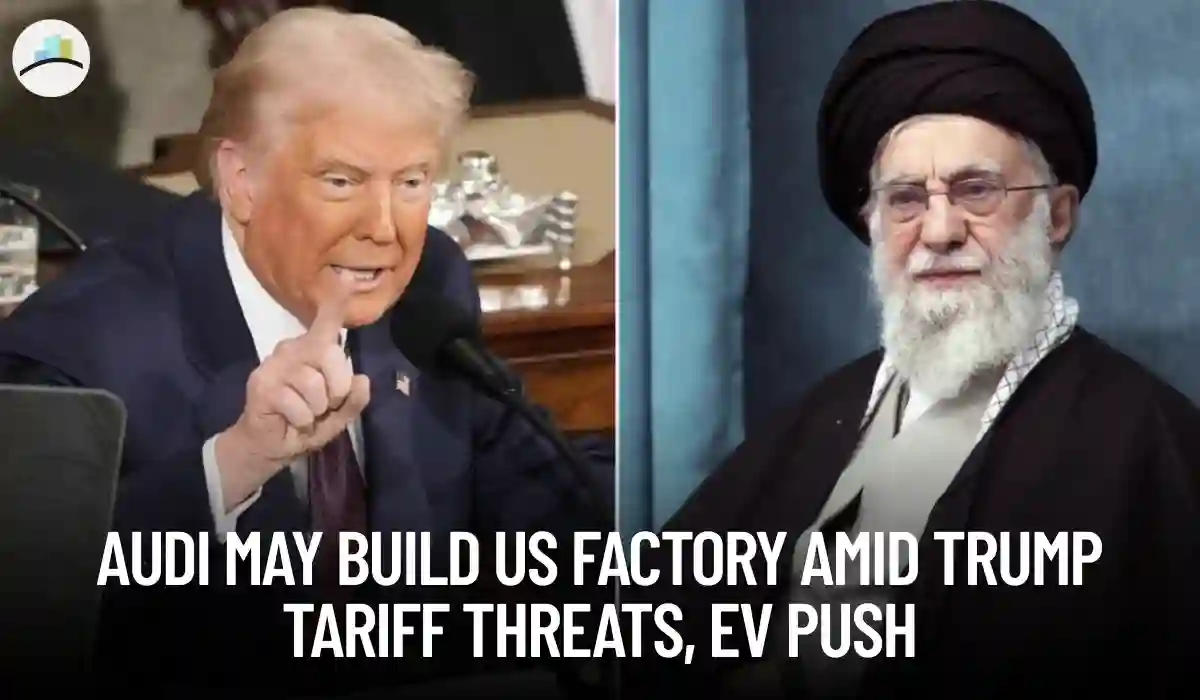
The Israel-Iran conflict crossed a new threshold as Iran formally rejected renewed nuclear talks, followed by Israeli military actions targeting Iranian-linked assets. Former President Donald Trump fueled tensions further by publicly demanding Iran's “unconditional surrender.” Intelligence reports and military posturing suggest a potential U.S. strike is under serious discussion.
Oil markets reacted swiftly. Fears of supply disruption through the Strait of Hormuz pushed prices significantly higher, and defense stocks rallied in parallel. The risk of a broader regional war is now being priced into global financial and energy markets. With the U.S. quietly repositioning assets and reinforcing alliances, the situation remains extremely fluid—and dangerous.
Financial Markets on Edge Amid War Fears and Fed Signals
Financial markets spent most of the week in a cautious holding pattern. A notable 10 percent drop in Berkshire Hathaway’s stock prompted concern that even long-term value plays are vulnerable in this environment. Investors pulled $18 billion from U.S. equities, reflecting a broader shift toward safe havens as global risk escalates.
The Federal Reserve kept interest rates steady but signaled two cuts could come later this year. Fed Chair Jerome Powell struck a cautious tone, warning that recent cuts in economic data access could impair the Fed’s ability to make clear monetary decisions. The combination of war fears, incomplete data, and fragile global demand has left investors increasingly defensive.
U.S. Policy Drama: Debt, Immigration, and Clean Energy in the Crossfire
Donald Trump continued to make policy headlines, particularly with two controversial proposals. First, his immigration plan offering $5 million “gold visas” reignited debates over selling U.S. residency to the ultra-wealthy. Second, a fiscal bill that could raise national debt by $3.3 trillion came under bipartisan scrutiny, with critics questioning the long-term impact on credit markets.
Meanwhile, Republicans advanced a bill to roll back clean energy tax credits, potentially threatening thousands of renewable energy jobs and undermining the Biden administration’s climate agenda. These developments come as the U.S. edges closer to the 2026 election cycle, where climate, immigration, and fiscal policy are expected to be defining issues.
Corporate Shake-Ups and Global Capital Movement
Amid geopolitical and economic uncertainty, major corporate and capital shifts still took place. Home Depot and QXO entered a $5 billion bidding war for GMS, showing continued interest in logistics and building materials. JPMorgan’s rollout of bond trading through its mobile app reflects a broader shift in banking toward digital-first, retail-friendly investment platforms.
IPO activity remained selective but strong. Notably, Flynas and Vale Base Metals moved ahead with listings that suggest global capital markets still have pockets of confidence—especially in energy and infrastructure-related plays. Amazon India, meanwhile, expanded its warehousing network to solidify its dominance in logistics for 2025, underscoring how global e-commerce continues to shift eastward.
Key Insight
Trump’s visa plan stirs debate; Israel-Iran tension spikes oil; China’s housing falters; AI talent war grows; Iran quits nuclear talks.
Economy4 min read
China’s Housing Crisis Explained: What’s Really Going On & Why It Matters for the Future
China’s housing crisis goes beyond falling prices. Population decline, empty cities, and low demand point to a deeper economic shift underway.
Israel-Iran Conflict Driving Market Volatility: How It Affects Oil Prices and Investor Sentiment
The Israel-Iran conflict is causing market volatility, with rising oil prices and investor uncertainty. Learn how the conflict is impacting global markets and investor strategies.
Trump’s visa plan stirs U.S. debate, Israel-Iran tensions spike oil, China’s housing crisis deepens, AI talent war heats up, and Iran exits nuclear talks—global volatility on the rise.
Technology3 min read
Meta vs OpenAI: The AI Talent War Heats Up — Who Will Win the Race for Top Engineers?
Meta offers huge salaries to AI researchers, OpenAI pushes back. Inside the tech talent war shaping the future of artificial intelligence.
With so much happening, one thing is clear: governments, businesses, and individuals need to stay alert and adaptable. Whether it’s energy prices, tech development, or global conflict, the choices made now could shape the world for years to come.