
A Global Wake-Up Call: The Truth About Suicide and What We’re Doing About It
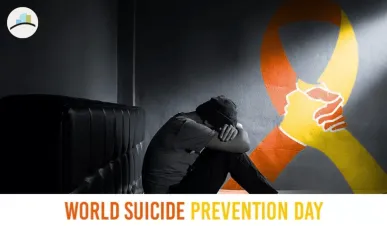
Every year, September 10 marks a global plea for change—World Suicide Prevention Day (WSPD). It's a day that brings the global community together in solidarity, urging action to combat a crisis that affects millions worldwide. But, in 2025, the question is: Why is suicide still one of the leading causes of death, despite all our advancements in technology, healthcare, and education? What’s going wrong, and what can we do to stop this preventable tragedy?
The statistics are staggering. Over 700,000 people die by suicide each year, a number that grows every day. And it’s not just the statistics that are alarming; it’s the lives lost, the families torn apart, and the communities left behind. The pandemic of mental health struggles is not just about physical illness, but about the deep, invisible wounds that people silently carry, often until it’s too late.
MORE ARTICLES:
The Power of Sharing: How Talking and Writing Can Help Prevent Suicide
One of the most effective ways to prevent suicide is by creating an open and supportive environment where individuals feel safe to share their thoughts and feelings. The act of expressing emotions—whether through talking or writing—can have a transformative impact on someone who is struggling. By simply opening up, even in small ways, a person can alleviate a heavy emotional burden and gain perspective on their situation.
Talking: Breaking the Silence
Sometimes, the hardest part of seeking help is simply starting the conversation. Many people feel isolated in their struggles, unable to find the words to describe their pain. That’s why it’s crucial to create safe spaces where individuals can open up without judgment. Whether it’s a friend, family member, therapist, or support group, talking about feelings—however difficult—can lead to relief. It allows the individual to process emotions and realize they are not alone.
Writing: A Therapeutic Outlet
For those who may find it difficult to speak about their struggles, writing can serve as an alternative, powerful way to express emotions. Journaling, writing letters to oneself, or simply jotting down thoughts can provide clarity, release, and healing. Putting thoughts on paper allows individuals to externalize their pain, gain perspective on their emotions, and begin to organize their feelings in a more manageable way. Writing can serve as a cathartic release, providing a sense of control and empowerment over overwhelming emotions.
The Immediate Benefits of Sharing Thoughts
-
Emotional Release: By sharing or writing their thoughts, individuals release built-up emotional tension, reducing the risk of it spiraling into feelings of hopelessness.
-
Validation: Simply knowing that someone listens or that thoughts are given space can make a person feel understood and validated.
-
Reduced Loneliness: Talking to someone or sharing in writing can diminish feelings of isolation, showing that others care and that the person’s pain is recognized.
-
Improved Mental Health: The act of expressing one’s feelings is linked to better mental health outcomes, including reduced anxiety and depression.
Encouraging Others to Open Up
For those around someone who might be struggling, it’s important to encourage open dialogue. Let them know it’s okay to express themselves—there’s no wrong way to feel or talk. Starting with simple phrases like, “I’m here to listen” or “You don’t have to go through this alone,” can make a huge difference. Listening without judgment and offering unconditional support can create the space needed for someone to feel safe enough to share their burden.
The bottom line: Whether it’s through words, a journal, or a trusted listener, sharing what’s inside can be a lifesaving step in preventing suicide and fostering emotional recovery. By reaching out and expressing what’s on their mind, individuals can begin to regain a sense of hope and control, ultimately improving their well-being and creating a path toward healing.
The Shocking Truth: Suicide Isn’t Just a Statistic – It’s a Reality for Millions
We often think of suicide as a distant, rare event, but the reality is far closer to home. One of the most shocking truths is that suicide doesn’t discriminate. It touches every corner of society, from the high-powered CEO to the teenager struggling with self-esteem, from war veterans battling PTSD to the unseen pain of women suffering from domestic violence.
Each year, on World Suicide Prevention Day, we hear the numbers: the staggering suicide rate among teens, the rise in young adults grappling with depression, and the mental toll of economic instability. But what does it mean for us, as a community? How many lives could be saved if we simply talked about it more, supported each other better, and broke the silence surrounding mental health?
The Silent Crisis: What We’re Missing and Why We Need to Act Now
This year’s theme for World Suicide Prevention Day is not just about awareness—it’s about action. We can no longer afford to look the other way when it comes to mental health. People are struggling every single day. From social media pressure to workplace stress, financial instability, and global crises, the factors pushing people towards the edge are mounting. And yet, many people are still afraid to speak up.
The critical question we need to ask ourselves is: What are we doing wrong? Why is mental health still treated as a taboo subject? Why do we wait until it’s too late to help someone who is struggling? This is the hard truth that World Suicide Prevention Day forces us to face—and it’s time for change.
What Can We Do to Prevent Suicides? The Power of Connection
Prevention begins with understanding—understanding that everyone can be at risk, regardless of age, gender, or background. So, what can we do to stop suicides from happening?
-
Talk About It: The first step is breaking the silence. Open up about mental health with those around you. Make it known that talking about feelings is okay, that it’s normal to seek help, and that support is available.
-
Educate Yourself: Do you know the warning signs of someone at risk? Depression, withdrawal, talking about death, or giving away possessions—these are just a few of the signs that someone may need help.
-
Be There for Others: Support and connection are life-saving. Offer a listening ear, or even better, help them find a therapist, support group, or helpline.
-
Advocate for Change: Mental health should be a priority for governments, schools, and workplaces. We need more funding, more resources, and a better response to those who are struggling.
How Can You Get Involved on World Suicide Prevention Day?
-
Spread the Word: Share suicide prevention facts and resources on social media. Use your platform to encourage others to reach out for help.
-
Host an Event: Whether online or in-person, hosting a local event can be a way to educate your community, raise awareness, and offer support for those who are struggling.
-
Donate: Many organizations are working tirelessly to support those affected by suicide. Your contribution can help fund programs, research, and crisis support services.
-
Speak Up: Share your story. Encourage others to do the same. Your voice could be the one that inspires someone to take the first step toward recovery.
What Are the Warning Signs of Suicide?
It’s essential to recognize the signs that someone may be considering suicide. Some common warning signs include:
-
Talking about feeling hopeless or wanting to die
-
Withdrawing from friends, family, or activities
-
Extreme mood swings or behavior changes
-
Increased substance use or risky behaviors
-
Giving away possessions or saying goodbye
If you notice any of these signs, don’t wait. Reach out, show support, and guide them toward help.
Key Suicide Prevention Resources
If you or someone you know is struggling, there are many life-saving resources available. Don’t hesitate to reach out:
-
National Suicide Prevention Lifeline (USA): Call 1-800-273-TALK (1-800-273-8255, 9045179555)
-
Samaritans (UK & Ireland): Call 116 123
-
Lifeline (Australia): Call 13 11 14
-
International Suicide Prevention Resources: Visit the International Association for Suicide Prevention (IASP) website for resources in your region.



