
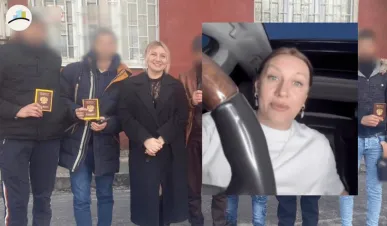
Polina Alexandrovna Azarnykh is a 40‑year‑old Russian woman who has recently become the focus of international investigations and widespread media coverage for her alleged role in recruiting foreign men to fight in Russia’s war in Ukraine. According to reports from outlets including the BBC and LBC, she used a large Telegram channel to target economically vulnerable men, offering them seemingly attractive military contracts and misleading assurances — only for many to end up on the front lines in Ukraine.
Who Is Polina Alexandrovna?
Polina Alexandrovna Azarnykh is described in reports as a former teacher from the Voronezh region of Russia who shifted her focus to online recruitment around 2024. Through a Telegram channel with over 21,000 subscribers, she advertised “one‑year military contracts” with Russia’s armed forces, highlighting high salaries, sign‑up bonuses, and the possibility of future Russian citizenship for foreign recruits.
Polina Alexandrovna Azarnykh is the Russian recruiter. A Syrian who signed up had 10 days training then sent to the front in Ukraine.
— Annette (@KernowGold) January 13, 2026
Azarnykh called ‘Omar’ and asked for $3,000 to keep Omar in a non combat role, he declined. Azarnykh sent Omar a video of his passport burning.
Although her channel appeared to present legitimate opportunities, multiple interviews and investigations suggest that the reality was far different from the promises made online.
What Has She Been Accused Of?
Investigators and several former recruits have accused Polina Alexandrovna of engaging in deceptive recruitment practices. The allegations include:
-
Misleading Promises: She allegedly recruited young men — mainly from countries like Syria, Egypt, Yemen, Morocco, and Iraq — by promising non‑combat roles, good pay (often up to around $2,500 per month) and potential Russian citizenship in exchange for one‑year military contracts.
-
Lack of Transparency: Contracts were often written entirely in Russian, a language many recruits did not speak, meaning they unknowingly committed to military service without understanding the terms.
-
Frontline Deployment: Instead of being placed in “safe” or civilian roles, many recruits were sent into active combat zones in Ukraine after minimal training — sometimes as little as 10 days.
-
Passport Retention and Pressure: Some former recruits say their passports were taken after signing their contracts under the pretext of arranging citizenship. In one case, a recruit received a video of his passport being burned, allegedly while a woman resembling Polina Alexandrovna spoke in Russian.
-
Threats and Coercion: Reports include claims that recruits who tried to refuse combat roles were threatened with imprisonment or death by commanders once in Ukraine.
What Did She Allegedly Do?
Here’s a clearer picture based on investigative reporting:
1. Telegram Recruitment Channel
Polina’s Telegram channel posted upbeat messages and videos inviting men from economically strained regions to sign up for what seemed like lucrative employment. Many were led to believe they would be placed in non‑combat positions or civilian jobs.
2. Passport and Contract Handling
Prospective recruits were asked to send passport scans. After entering Russia, they were often taken directly to military recruitment centers. Contracts provided were in Russian, and recruits were not given translators or clear explanations before signing.
3. Deployment to Frontline Combat
Instead of safe roles, several recruits described being deployed into active combat zones in Ukraine shortly after signing. One Syrian man reported facing intense shelling and high casualty risks.
4. Extended Service Contracts
Under a 2022 Russian decree, military contracts can be automatically extended until the war ends. This meant many who expected a one‑year term found themselves unable to leave after their contracts supposedly ended.
Evidence and Cases
A BBC investigation identified nearly 500 cases where Polina issued “invitation documents” that enabled foreign nationals to enter Russia and enlist. Twelve families told the BBC that young men recruited through the scheme are now dead or missing.
One Syrian recruit named Omar described how he was promised non‑combat work and a high salary but was sent into frontline fighting after refusing to pay an alleged extra fee to Polina to avoid combat.
Her Response
Polina Alexandrovna Azarnykh has denied the allegations, asserting that recruits knew they were signing up for military service. However, the weight of testimonies from recruits and families suggests that many were misled about the nature of the roles and conditions they would face.
MORE ARTICLES:
Why This Matters
Russia has increasingly turned to non‑traditional recruitment channels as it seeks to maintain troop numbers in its protracted war against Ukraine. Using economic incentives and promises of citizenship to attract foreign fighters has raised serious questions about the legality and ethics of these practices, especially when recruits are sent to combat under misleading terms.



