
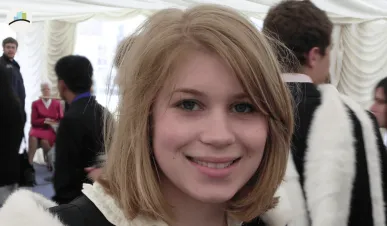
The tragic murder of Sarah Everard is one that no one will ever forget. Her name became a symbol of the heartbreak, fear, and anger felt by millions of women across the UK and the world. On 3 March 2021, Sarah, a 33‑year‑old marketing executive, was walking home from her friend’s house in Clapham, South London. It was a route she had taken many times before. But this time, her walk ended in violence and betrayal.
Sarah was abducted by Wayne Couzens, a serving Metropolitan Police officer, who falsely identified himself as a police officer enforcing Covid-19 lockdown regulations. He handcuffed Sarah and forced her into his car, before taking her to a remote location in Kent. There, he raped and strangled her, before burning and disposing of her body in a pond. What happened next shocked the nation — Sarah’s body was found on 10 March 2021, and the world began to understand the scale of what had happened.
On the five year anniversary of Sarah Everard's death women have overwhelmingly told us they feel unsafe at night, and that they don't think they're any safer five years on. Read more here 👉 https://t.co/XN154cD9TV pic.twitter.com/XbcMNxT0xn
— Greatest Hits Radio London News (@GHRLondonNews) March 3, 2026
This shocking crime was not just about Sarah’s death, but about the abuse of power by a man sworn to protect her. Wayne Couzens, a police officer with a history of misconduct, used his authority to manipulate Sarah into trusting him, then betrayed that trust in the most horrifying way imaginable.
The Man Behind the Crime: Wayne Couzens' Abuse of Power
What makes this case even more appalling is that Couzens was a trusted member of the police force. He used his uniform, his badge, and his authority as a tool for abduction and murder. His actions raised serious questions about the vetting process and police training, especially when it comes to ensuring that officers with dangerous histories are not allowed to serve.
Couzens, who was arrested and charged just days after the murder, later pleaded guilty to kidnapping, raping, and murdering Sarah. In September 2021, he was sentenced to a whole‑life order, meaning he will never be released from prison. His sentence was a bitter reminder of how vulnerable women are to the very institutions designed to protect them.
A Family's Loss and A Nation's Wake-Up Call
Sarah’s murder wasn’t just a personal tragedy; it was a cultural moment that galvanized women’s rights activists, prompted mass protests, and sparked a national conversation about violence against women.
Vigils held across the UK, including a major one in Clapham Common, where Sarah was last seen, became symbols of solidarity and grief. The tragedy led to the creation of the Angiolini Inquiry, which is examining police practices and calls for reforms to ensure that women’s safety is no longer compromised by those who are meant to protect them.
MORE ARTICLES:
A Family's Loss and A Nation's Wake-Up Call
For Sarah’s family, her loss has been devastating. Her parents, siblings, and her partner, who she had been with for several years, are left to mourn a woman whose life was snatched away in a senseless and brutal way. The family’s grief is compounded by the fact that Sarah was taken by a man who should have been one of the most trustworthy figures in society — a police officer.
This tragedy continues to echo across the world, as it calls attention to the larger issue of police abuse of power, and the misplaced trust women have in law enforcement. Sarah’s name has now become synonymous with reform — with lawmakers, activists, and the public all demanding stronger measures to protect women.
What’s Being Done to Prevent This from Happening Again?
Sarah’s story is now a catalyst for change in the UK. Her death led to calls for better police oversight, reforms to ensure officers are better screened, and a national discussion about how women are treated by the authorities when they report harassment or abuse. The Sarah Everard case has sparked debates about how to improve safety measures for women, both in public spaces and online.
A public inquiry is ongoing to identify how and why Couzens was able to operate undetected within the police force, and what changes need to be made to prevent such crimes in the future. The hope is that this tragedy won’t be in vain — and that women’s voices will be heard, their safety protected, and their rights respected.



