
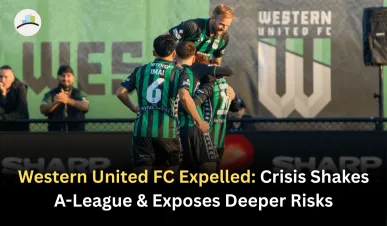
The Australian football scene took a dramatic turn when Western United FC was stripped of its A-League license. It’s a rare and jarring move—one that’s left fans, investors, and players scrambling for answers. How does a club go from national hero to unwelcome in just three years?
From Triumph to Trouble: Tracing Western United’s Rapid Decline
A couple of years back, Western United were the league’s golden story. In 2022, they clinched the A-League title—a feat many took as a sign the league could still produce fresh success stories. But underneath the celebratory surface, cracks were starting to show. Money problems piled up. Reports floated around about missed salary payments to players and staff, and the club ended up with a FIFA transfer ban due to unpaid dues. For a club that was supposed to be a model for league expansion, these financial issues sent alarm bells ringing. When Football Australia’s independent board reviewed the situation, they found the club failed to meet league standards, leaving officials with little choice but to revoke the team’s license—effective immediately.
Unseen Consequences: How Western United’s Exit Hits More Than Just a Team
Losing an A-League side isn’t just an isolated failure. It’s a shockwave. Over a hundred jobs are suddenly at risk: players, coaches, administrative workers, ticket sellers—everybody tied to the club is impacted. Local economies in Melbourne’s west, which banked on matchday crowds and community programs, could see a real dent. There’s also the bigger question: Will other teams face the same fate? Many in the industry fear this event signals deeper systemic problems, which, if ignored, could threaten the growth of professional football in Australia.
Key impacts not discussed enough:
-
Investor skepticism: Backers might think twice before putting money into A-League clubs.
-
Reputation risk: The league’s credibility—especially with sponsors and media partners—takes a serious hit.
-
Youth opportunities lost: Aspiring local athletes lose a critical platform to launch professional careers.
Financial Red Flags: Are Other A-League Clubs at Risk?
It’s easy to frame Western United as a one-off, but that might miss the bigger picture. Ballooning wage bills, high operation costs, and the challenge of competing with sports like AFL and NRL for attention have all put pressure on club finances. Some analysts say the A-League’s rapid expansion, without thorough vetting processes or stricter financial oversight, left clubs exposed. If the league doesn’t address these vulnerabilities, other teams may also find themselves on shaky ground. Furthermore, the financial instability might deter international stars from signing on, which could lower the quality and entertainment value the A-League delivers.
Also read on Procapitas
What Happens Next: Can Western United or the League Recover?
Western United hasn’t thrown in the towel—they’re appealing the decision and reportedly seeking fresh investment. Realistically, even a cash injection won’t fix reputational damage overnight, nor will it immediately solve staffing or competitive issues. For the league, the next few months could define its future. Officials are likely under pressure to tighten financial regulations, implement stricter club licensing, and convince sponsors and fans that such failures are the exception, not a new norm. If not, Australian football could face years of slow rebuilding—on and off the pitch.
Why This Story Matters: Lessons Ignored at Everyone’s Peril
Western United’s downfall isn’t just about one club folding; it’s a cautionary tale for sporting organizations everywhere. Other sports leagues in Australia and beyond, especially those relying on rapid expansion and private investment, can draw lessons here about rigor, transparency, and the importance of safety nets. The event also sparks overdue questions: Are governing bodies doing enough to protect clubs, employees, and the fans they serve? And if a title-winning team can collapse this fast, what warning signs are going unseen in other corners of the sporting world?



