
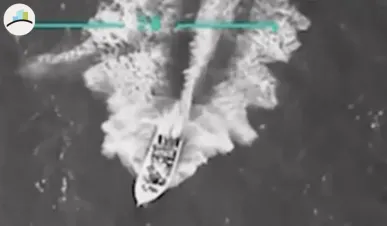
The United States has recently launched a bold operation targeting drug-trafficking boats in the Caribbean, signaling a crucial move in the fight against illegal narcotics smuggling. This operation isn't just about military strikes; it's about protecting lives, reducing harm, and ensuring that drug cartels don’t continue to wreak havoc on both sides of the ocean. Here's a closer look at what happened and why it matters.
Why the US Took Action
The Caribbean is often the unsung hero in the fight against drug trafficking. It’s a critical point where illegal drugs, like cocaine and fentanyl, are shipped across oceans on their way to the United States. These drugs devastate communities, fueling addiction, violence, and a public health crisis. The US, realizing the danger posed by these illegal shipments, decided it was time to take decisive action.
This operation was more than just about striking boats—it’s part of a larger mission to stop the flow of these dangerous substances before they can reach streets in America, and beyond, where they destroy families and harm innocent lives.
How Did the Operation Unfold?
-
Where: The airstrikes took place in the waters off several Caribbean nations, an area frequently used by smugglers.
-
What Was Targeted: The US military set its sights on boats that were suspected to be carrying illegal narcotics. Intelligence gathered ahead of time led to these boats being marked for action.
-
The Power of the Military: Fighter jets and other military assets were used to disable these boats, preventing them from delivering their deadly cargo.
-
What We Know So Far: While we don’t have precise numbers on casualties, the operation was successful in stopping the boats and disrupting drug transportation.
The Bigger Picture: Why This Matters
This isn’t a one-off operation. It’s part of the US's broader, relentless effort to fight drug trafficking in the Caribbean and Latin America. By targeting key drug smuggling routes, these strikes are disrupting cartels that control large swaths of the illegal drug trade.
The Caribbean has long been a hotbed for drug shipments, and the US military, in collaboration with local governments, is stepping up its presence. This operation represents a big win in a battle that’s been ongoing for years. It's not just about striking at boats; it’s about sending a message that the US is committed to taking down the networks that profit from human suffering.
The US Navy and Coast Guard have played a crucial role in monitoring these waters, helping to prevent dangerous narcotics from making it to American streets. By investing resources into these operations, the US hopes to cripple the cartels and save countless lives in the process.
What Does This Mean for the Caribbean Region?
While the airstrikes have a clear target—drug smugglers—the situation isn’t without its risks. Drug cartels often respond to these operations with violence, putting local populations in danger. Yet, most Caribbean nations support the US’s actions, recognizing that the long-term benefits—less drug trafficking, safer communities—are worth the short-term challenges.
The region has witnessed firsthand the impact of drug-related violence, and leaders are united in their desire to rid the Caribbean of this scourge. These coordinated strikes are a step in that direction, even if the path to a drug-free region is long.



