
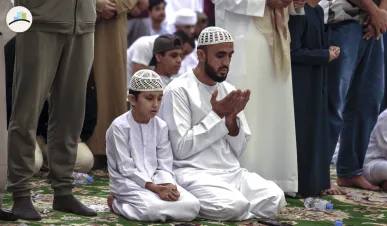
March 19, 2026 — As the conflict between the United States, Israel, and Iran continues to escalate across the Middle East, there is no official ceasefire or pause for Eid al-Fitr. Despite international calls for peace during the holy month, particularly around Eid prayers, both Iran and Israel have not agreed to suspend military operations.
Why is There No Pause for Eid in the US–Israel–Iran War?
In a statement earlier this week, Iran’s Foreign Minister indicated that the country has no intention of halting its military actions during the Eid festival. Iran remains focused on achieving its strategic objectives in the conflict, despite ongoing diplomatic pressure urging for a temporary break in fighting during this religious time.
Iran’s leadership has repeatedly stated they are committed to continuing the war until Israel’s actions cease and US intervention in the region ends. There have also been concerns about using religious holidays as "political leverage," with Iran's government refusing to use Eid as a reason to pause its military stance.
While many religious leaders and international organizations have urged for a temporary ceasefire to allow for peace and reflection during Eid, such calls have yet to result in any actionable response from the leaders of the warring states.
Afghanistan and Pakistan Agree to Temporary Ceasefire for Eid
In contrast, Afghanistan and Pakistan have agreed to a temporary ceasefire for Eid, scheduled from March 19–24, allowing both sides to pause their conflict during the festival. This move follows diplomatic efforts by Saudi Arabia, Qatar, and Turkey, which encouraged both countries to respect Eid and allow civilians a break from violence.
This Eid truce will hold until March 24, after which hostilities are expected to resume, barring further negotiations.
MORE ARTICLES:
Why Religious Holidays Are Not Always Paused in Conflict Zones
Many conflicts, especially those with geopolitical stakes like the one between the US, Israel, and Iran, are difficult to resolve with temporary pauses. These conflicts typically involve military strategy, international alliances, and long‑term goals that cannot be easily suspended for a few days. While Eid is an important spiritual occasion for millions of Muslims, political and military realities often take precedence over religious observances in such large‑scale wars.



