
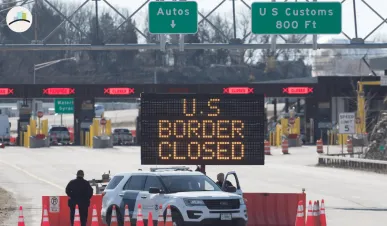
Attention travelers! A critical change is coming to the Alberta–Montana border. Starting July 2026, the Border Road linking the two countries will be closed to Canadian traffic. This decision could have a significant impact on your travel plans, whether you're a resident of Alberta, a regular cross‑border traveler, or simply enjoy the convenience of this historically open route.
Here’s why this matters, how it will affect you, and what steps you can take now to prepare for the upcoming changes.
'It's ridiculous': U.S. closing historic Border Road to Canadian traffic - Amid the howling winds of the Sweet Grass Hills lies Border Road, a 14-kilometre ribbon of manicured gravel stretching between the United States and Canada. https://t.co/VS0UsImFjD
— CTV Kitchener (@CTVKitchener) March 29, 2026
Why is the Alberta, Montana Border Road Closing?
Border Road, the 14‑kilometre gravel route running parallel to the U.S.–Canada border, has been a convenient shortcut for travelers crossing between Alberta and Montana without using an official customs checkpoint. However, due to tightening U.S. border security measures, Canadian traffic will no longer be allowed on this route starting in July 2026.
The U.S. Department of Homeland Security has made this decision to:
- Ensure all travelers enter through official border crossings
- Improve border enforcement for both security and safety reasons
- Address concerns about illegal crossings and smuggling
This means Canadians who use Border Road to get across will no longer be able to access the road after July but there are steps you can take now to avoid disruption.
How Will This Affect You?
For residents and travelers who’ve used Border Road for years, here’s what this closure means:
📍 Detours: You will need to use the official crossing at Coutts, Alberta, and Sweet Grass, Montana.
📍 Increased Travel Time: The detour will add 15–20 minutes to your journey, as you’ll be required to go through official border checks.
📍 Document Checks: Be prepared to show your passport or appropriate documents when crossing through an official checkpoint.
📍 Local Impact: Farmers, ranchers, and communities that frequently cross for business or personal reasons will feel the inconvenience most.
For those used to driving the shorter route via Border Road, this change means you’ll have to plan ahead and account for the extra time and paperwork required at the official crossings.
What Should You Do to Prepare?
Here’s how you can get ready for the July 2026 closure and avoid last‑minute stress:
- Check your travel dates: Plan ahead if you regularly use Border Road and make sure to factor in the new detour time via the official crossings.
- Ensure your travel documents are up‑to‑date: If you’re crossing at official points, you’ll need a valid passport or other approved documents.
- Alternative routes: Consider taking other back roads within Alberta or Montana to reduce travel time if necessary.
- Local government updates: Stay tuned for updates from Alberta Transportation or local authorities, who may announce temporary solutions or alternative roads.
Government Plans for a Replacement Road
To alleviate the strain on local travelers, Alberta officials are planning a new road parallel to Border Road, which will remain entirely on Canadian soil. However, the project timeline and funding details are still under discussion.
For now, travelers will have to rely on the Coutts–Sweet Grass crossing the nearest official checkpoint to access the U.S. or continue northward in Alberta.
MORE ARTICLES:
Public Reactions: Why Is This Such a Big Deal?
This change has stirred up significant controversy among local residents and cross‑border travelers who view Border Road as a lifeline. Farmers and business owners who need to move goods across the border are particularly concerned, as the new detour adds time and cost to their already busy schedules.
In contrast, security officials argue that it is essential to control cross‑border traffic more efficiently in light of modern border security needs. The decision may serve as a model for other regions experiencing similar challenges.



