
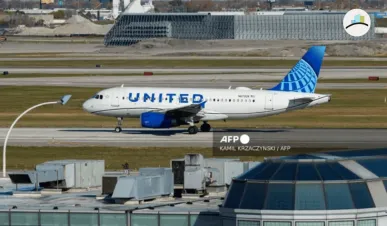
The U.S. aviation system faced major disruptions when the federal government entered a 43-day shutdown, during which key agencies such as the FAA (Federal Aviation Administration) grappled with staffing shortages at air-traffic-control facilities.
In response, the FAA imposed unprecedented limits on flight operations at 40 major airports — including large hubs such as Atlanta — beginning around November 7.
Flight cuts began at about 4 % and rose to about 6 % before being scaled back to 3 % as staffing improved.
As travel demand remained high ahead of the Thanksgiving period, the restrictions posed risks of cascading cancellations, delays and passenger chaos.
When will full operations resume?
The key moment: the FAA officially lifted the flight-cut order effective Monday, November 17, 2025 at 6 a.m. EST.
At that moment, airlines were permitted to restore their regular schedules — meaning the previously imposed cap on flights is no longer in effect.
What this means: travellers can expect operations to gradually return to “normal,” though holiday travel, weather and residual staffing issues still pose risk of delays or sporadic cancellations.
MORE ARTICLES:
Why it matters—and the ripple effects
-
Safety & staffing concerns: The restrictions were borne not simply of economics but of safety: controllers working without pay, incipient staffing-trigger events, close-call incidents in the air.
-
High travel volume: With the Thanksgiving travel window in full swing, millions of travellers were at risk of disruption if the restrictions remained.
-
Financial & reputational stakes: Airlines, airports and ancillary businesses all face heightened cost and risk when large-scale cancellations or cuts occur.
-
Passenger preparedness: Travellers must remain alert — even though the restrictions are lifted, residual delays, staffing gaps, winter weather and queueing may still impact journeys.
What travellers should do
-
Check your flight status: Use your airline’s app or website to monitor for any changes in real time.
-
Allow extra time: With airports busy for the holiday period, arrive earlier than usual, factor in security, check-in and potential weather disruptions.
-
Have a backup plan: If your flight is cancelled or rerouted, consider alternatives (driving, different route, postponing) especially since high volumes may mean fewer standby seats.
-
Be flexible with schedules: With operations normalising, some flights may still be recovering from previous backlog; be prepared for gate or time changes.
-
Stay informed about weather: Many hubs (including Atlanta) are vulnerable to winter weather patterns; keeping an eye on forecasts helps avoid surprises.



