
Fresh ceasefire announcements in the war between Russia and Ukraine are drawing global attention—but instead of signaling a clear step toward peace, they highlight how divided the two sides remain.
Ukraine and Russia declare separate truces
— WION (@WIONews) May 5, 2026
Kyiv announces its own ceasefire from May six
Ukraine gains marginal ground in Southeast @Rhythmsharmax brings you more pic.twitter.com/8txboe1FS0
As search interest rises around “Ukraine ceasefire,” the latest developments reveal a complicated reality: both countries are proposing pauses in fighting, but without coordination, trust, or a shared goal.
Competing Ceasefires With No Coordination
In recent days, both Russia and Ukraine have put forward separate ceasefire plans, each driven by its own priorities.
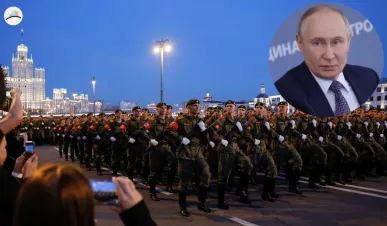
Vladimir Putin announced a brief pause in fighting aligned with Russia’s Victory Day celebrations in early May. Around the same time, Volodymyr Zelenskyy proposed a ceasefire on a different timeline, signaling willingness to extend it if conditions allow.
The absence of a joint agreement is significant. These are not negotiated ceasefires backed by mutual consent or oversight. Instead, they are unilateral declarations, which means there is no guarantee that both sides will observe them simultaneously. This lack of coordination makes it difficult for any pause in fighting to take hold in a meaningful way.
Other News-
-Met Gala 2026: Time, Guest List, Theme and How to Watch Live
-Cinco de Mayo 2026 Celebrations Sweep Across the U.S. With Festivals, Food, and Cultural Pride
Why the Ceasefires Don’t Match
The differences between the two proposals go beyond timing—they reflect contrasting objectives.
Russia’s ceasefire appears closely tied to domestic considerations, particularly the need to maintain stability during a major national event. A temporary pause during such a period can serve both symbolic and practical purposes, especially amid concerns about security.
Ukraine’s approach, however, has been framed more as an open-ended or extendable truce. Ukrainian leadership has emphasized the need for a ceasefire that goes beyond symbolism and actually reduces violence over a sustained period. At the same time, there is visible skepticism about whether short, pre-planned pauses can lead to any real progress toward peace.
Fighting Continues Despite Ceasefire Talks
Despite the announcements, there has been no clear halt in hostilities on the ground.
Reports indicate that missile strikes, drone attacks, and military operations are still ongoing in several regions. This disconnect between political announcements and battlefield reality has been a recurring theme throughout the conflict.
Such continued violence weakens the credibility of ceasefire efforts. When attacks persist even as truces are घोषित, it reinforces the perception that these pauses are more strategic than humanitarian. It also deepens mistrust, making future agreements even harder to achieve.
A Pattern of Short-Term Truces
This situation follows a familiar pattern seen multiple times during the war.
Temporary ceasefires have often been announced around significant dates or events, raising hopes of de-escalation. However, these pauses have rarely lasted. Violations are frequently reported within hours, and both sides typically blame each other for breaking the terms.
Over time, this cycle has reduced confidence in ceasefire announcements. What might once have been seen as a step toward peace is now often viewed as a tactical move, with limited expectations for lasting impact.
Why a Lasting Ceasefire Remains Difficult
Achieving a durable ceasefire requires more than announcements—it demands trust, negotiation, and enforcement, all of which are currently lacking.
The two sides continue to pursue their military objectives, and neither appears ready to make the concessions necessary for a long-term agreement. Without a neutral mechanism to monitor compliance, even well-intentioned ceasefires can quickly collapse.
Political considerations also play a role. Ceasefires can serve as messaging tools, helping leaders shape narratives domestically and internationally. This further complicates efforts to separate genuine peace initiatives from strategic positioning.
What Comes Next?
The immediate question is whether either of the announced ceasefires will hold, even briefly.
Most observers remain cautious. Without coordination or accountability, the chances of a sustained pause are low. Any meaningful progress toward peace would likely require direct negotiations and stronger international involvement—steps that have yet to gain traction.
The Bottom Line
The latest Ukraine ceasefire developments highlight the gap between rhetoric and reality. While both sides are talking about pauses in fighting, their approaches are not aligned, and the conflict continues on the ground.
For now, the idea of a ceasefire remains more aspirational than actual, with lasting peace still out of reach.



