
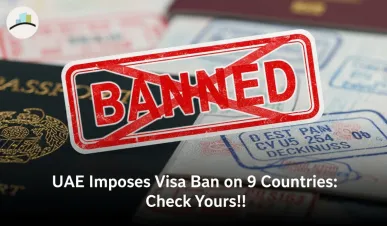
UAE Drops a Bombshell: Visa Ban for 9 Countries! What Does This Mean for Global Travel?
The UAE Visa Ban That’s Shaking the World: What We Know So Far
In a shocking development, the United Arab Emirates has suspended visa applications for citizens from nine countries, leaving travelers and governments in turmoil. The sudden move has caught the world by surprise, and the question on everyone’s mind is: Why now? And, What will this mean for global travel and migration?
Could this be a temporary measure, or are we witnessing a long-term shift in the UAE’s immigration policies? This bold decision has raised eyebrows and sparked debates across the world, particularly with countries like Afghanistan, Libya, Bangladesh, and others being directly affected. But is this just the beginning of a broader change in UAE’s immigration strategy?
MORE ARTICLES:
What Countries Are Affected by This Visa Ban?
The UAE has imposed a blanket ban on new tourist and work visa applications from the following nine countries:
-
Afghanistan
-
Libya
-
Yemen
-
Somalia
-
Lebanon
-
Bangladesh
-
Cameroon
-
Sudan
-
Uganda
These nations have now found themselves on the UAE's restricted list, but why were they selected? Could there be political, economic, or security-related reasons behind this dramatic shift?
The Mystery Behind the Decision: Why Now?
At first glance, it seems like a response to global challenges—but is there more to it? Here are some potential reasons behind the UAE's sudden decision:
-
Security Concerns: The UAE, a leading business hub in the Middle East, could be tightening borders to protect national security. Could these countries be perceived as high-risk for potential terrorism or illegal activities?
-
Health and Safety: With the ongoing global health crisis, could the UAE be trying to manage migration more strictly? Public health concerns could be a factor, especially after the COVID-19 pandemic.
-
Migration Control: The UAE may be focusing on controlling migration patterns in a way that better aligns with its national priorities. Countries with high numbers of illegal workers or those with diplomatic issues might be part of a strategic migration overhaul.
-
Economic Strategy: The UAE might be focusing on attracting skilled workers from countries that meet specific economic requirements. Does this mean a shift towards a more skilled labor-driven economy?
What Does This Mean for Travelers and Migrants?
For millions of people who have dreamed of moving to the UAE, this ban represents a harsh reality. The UAE is one of the world’s leading destinations for work visas and tourism, especially for those seeking opportunities in construction, engineering, and hospitality. But with this visa ban in place:
-
Labor Migration Impact: Bangladesh, Uganda, and Sudan—countries that heavily depend on UAE’s job market—could see a massive disruption in employment opportunities for their nationals.
-
Impact on Tourism: Countries like Lebanon and Libya, which see significant numbers of tourists traveling to the UAE, will now face major disruptions in travel plans.
-
Families Separated: Many workers from countries like Afghanistan and Somalia have families who are left stranded, unable to join their loved ones due to this sudden halt on visas.
What Does This Mean for the UAE? A Major Shift in Immigration Policy?
This unexpected ban begs the question: Is the UAE signaling a fundamental change in how it manages immigration? Are we witnessing the beginning of a tighter, more selective approach that will have global ramifications?
-
Is this a Political Statement? Could this move be a response to geopolitical tensions or economic shifts?
-
Future of International Relations: How will this visa ban affect bilateral relations between the UAE and these nine countries? Could it result in diplomatic tensions or even retaliation?
-
Could the UAE Soon Open Up to New Countries? The UAE has a long history of attracting global talent—could this be the start of a reset that invites only specific talent pools into the country?
What Happens Next? Will the Ban Be Lifted?
So, what comes next? Is this visa suspension temporary, or will it become a long-term policy? What do affected countries have to say about the ban? Are they planning to take diplomatic steps to lift the restrictions, or will the UAE stand firm?
This is a developing story, and official statements and negotiations between governments will reveal the true impact of this decision. Will this lead to more visa bans across the region, or will we see a reversal of this policy in the coming months?



