
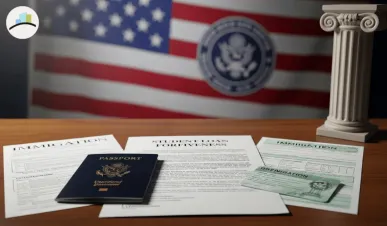
That’s the new twist shaking the student loan world. The Trump administration has announced a major rule change that links student loan forgiveness eligibility to compliance with immigration law something that has never been done before.
The move has already sparked heated debate, raising questions about fairness, political motives, and how this could affect millions of Americans working in public service or nonprofit jobs.
What’s Happening
Under the new rule, starting July 1, 2026, nonprofit organizations that are found to be “aiding or abetting violations of U.S. immigration laws” could lose eligibility for the Public Service Loan Forgiveness (PSLF) program.
That means employees working at such organizations might no longer qualify to have their student loans forgiven even if they’ve been making payments and serving for years under the program.
The PSLF program, created to reward people working in public service, allows borrowers to have the remainder of their federal loans canceled after ten years of qualifying payments while working for government or nonprofit employers.
Now, this new rule adds a controversial layer tying financial relief for borrowers to their employer’s stance and actions related to immigration.
MORE ARTICLES:
Why This Matters
This isn’t just a bureaucratic change it could reshape how student loan forgiveness works for millions of Americans.
-
For borrowers: Many people working in healthcare, legal aid, or humanitarian nonprofits depend on PSLF. Under the new rule, if their organization falls under the “disqualified” category, their years of service might not count anymore.
-
For organizations: Nonprofits will face stricter federal oversight. Even minor associations with immigration advocacy could risk their PSLF eligibility.
-
For students: Future graduates choosing nonprofit careers may think twice if their job security and loan forgiveness depend on unpredictable political standards.
-
For the economy: Public service fields already face labor shortages. The new rule could discourage skilled graduates from joining these sectors.
What Trump’s Administration Says
The Trump administration argues the new rule will “align education and immigration priorities” and ensure that taxpayer-funded programs support organizations that follow federal law.
Officials say the move is designed to prevent federal benefits from going to groups that might “violate U.S. immigration policy.”
Supporters believe it’s a step toward accountability, ensuring that public service funding and loan forgiveness don’t indirectly support organizations engaged in unlawful immigration activity.
The Pushback
Critics, however, see this as an attempt to politicize student debt relief. Many advocacy groups claim the rule unfairly punishes employees for actions they have no control over.
Civil rights organizations and education advocates warn that this could target nonprofits providing humanitarian aid, migrant legal assistance, or immigrant health services even if their work is completely legal.
They also argue that this could create fear and confusion among borrowers who’ve already planned their financial futures around the PSLF program.
The Hidden Implications
-
Political Overlap: The move connects education, immigration, and social policy more directly than ever. It could set a precedent where federal benefits are linked to unrelated political agendas.
-
Legal Challenges Ahead: Experts predict lawsuits will be filed, arguing that the rule violates the purpose of the PSLF program which was created to encourage public service, not restrict it.
-
Election-Year Strategy: With the 2026 elections approaching, the rule could serve as a signal to Trump’s voter base that he’s enforcing tougher immigration control even through education policy.
What Borrowers Should Do
If you’re a public service or nonprofit worker, here’s what to keep in mind:
-
Check your employer’s status: Make sure your organization complies with all federal regulations.
-
Track your PSLF progress: Keep your payment history and employer certification forms up to date.
-
Consult your HR or financial aid advisor: They can guide you on how the rule might affect your eligibility.
-
Stay updated: The rule doesn’t take effect until July 2026, so more details and possible changes may come.
The Bigger Picture
This policy marks a major shift in how student loan forgiveness is handled blending education finance with immigration enforcement.
For many, it’s a worrying sign that student debt relief is becoming a political battlefield rather than a financial lifeline.
Whether you see it as accountability or control, one thing is clear: this rule will redefine what it means to “serve the public” in America. 🇺🇸



