
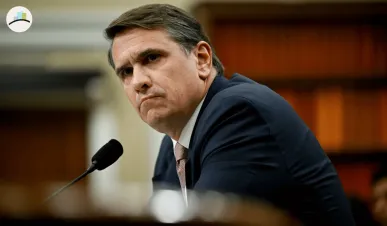
Acting U.S. Attorney General Todd Blanche has found himself at the center of a heated dispute over a proposed $1.8 billion government fund designed to compensate people who say they were unfairly targeted by federal law enforcement. Originally announced as the “Anti‑Weaponization Fund” as part of a settlement to drop a lawsuit against the Internal Revenue Service, the fund sparked bipartisan backlash, court challenges and confusion about its future ultimately leading Blanche to tell lawmakers the fund would not move forward. Critics question oversight, eligibility and potential payouts to controversial figures, and legal battles continue even as Blanche pushes back on demands to declare the fund officially dead under oath.
What Was the $1.8 Billion Anti‑Weaponization Fund?
The Anti‑Weaponization Fund was a plan announced by the U.S. Department of Justice that would create a nearly $1.776 billion pool of taxpayer money to compensate individuals who claim they were unfairly targeted by the government’s legal system. Acting Attorney General Todd Blanche described it as a way to give “a lawful process for victims of lawfare and weaponization to be heard and seek redress.”
The fund was part of a settlement in a lawsuit filed by then‑President Donald Trump against the Internal Revenue Service over the leaking of his tax returns — a case he ultimately dropped in exchange for the fund and a formal apology.
Why It Became Controversial
Almost immediately after the announcement, the fund drew intense criticism from both Democratic and Republican lawmakers, legal experts and watchdog groups for several reasons:
- Lack of Oversight: Critics said there was no clear structure to govern eligibility or distribution of the funds, raising fears it could become a political slush fund.
- Potential Recipients: Some lawmakers and commentators raised concerns that individuals convicted in connection with the January 6, 2021 Capitol attack — especially those later pardoned — could seek payments from the fund, given its broad language.
- Political Backlash: The proposal stalled broader legislation and became a flashpoint for debates over how the Justice Department should operate and whether taxpayer money should be used in this manner.
Blanche’s Response and Retreat
Facing mounting criticism and unwillingness from Congress to proceed with other priorities until the fund was addressed, Blanche testified before a House committee that the fund would not move forward, “period.” However, he declined to put that commitment in writing while under oath, which has kept the legal dispute alive.
At hearings and in budget testimony, Blanche defended the intent behind the fund — arguing it was meant to remedy perceived injustices in how federal law enforcement is applied even as political leaders rejected the concept.
MORE ARTICLES:
Judicial Challenges and Blocking Orders
Several groups sued to stop the fund, including nonprofits and former federal prosecutors, arguing that its very structure violated legal norms and posed risks of misuse. In one case, a federal judge in Virginia temporarily blocked the Justice Department from moving forward with the fund’s creation pending further review.
A judge even requested that Blanche, Treasury Secretary Scott Bessent and another official submit sworn declarations confirming the fund would never proceed under any name a demand the Justice Department rebuffed, citing constitutional separation‑of‑powers concerns.
What Comes Next
Although Blanche has said the fund is not going forward and the administration claims other legal paths exist for compensation through the federal Judgment Fund, uncertainty remains about how or whether payouts might still be made to those claiming harm from government actions. Some advocacy groups and legal scholars worry the Judgment Fund could still be used in ways similar to what the original anti‑weaponization proposal envisioned.
At the same time, legislation has been proposed to limit access to compensation for certain controversial figures, reflecting ongoing tension around how the government addresses claims of weaponized law enforcement.



