
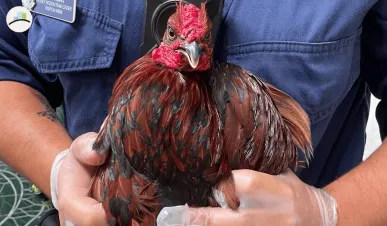
Authorities in Western Australia are investigating a suspected case of highly pathogenic H5 bird flu after a migratory bird tested positive for avian influenza, potentially marking the first detection of this strain on mainland Australia. The brown skua was found sick near Cape Le Grand National Park and has since died, prompting labs to send samples to CSIRO for confirmation. Officials say preparations and national biosecurity measures remain strong, and the public is urged to avoid contact with sick or dead birds and report sightings to animal disease authorities.
What Happened in Western Australia
A wild migratory bird in southern Western Australia has tested positive for avian influenza in preliminary results, with further analysis underway to confirm whether the highly pathogenic H5 strain — including H5N1 — is present.
The bird was discovered sick near Cape Le Grand National Park in the remote southwest of WA and died soon after being found. A second related bird in the same area is also being tested for the virus.
Authorities have sent samples to the CSIRO Australian Centre for Disease Preparedness for definitive strain confirmation. Results are expected imminently.
Suspected detection of H5 strain of bird flu in WA, which would be first in Australia #H5N1 #birdflu https://t.co/PfHMzRAK4z via @ABCaustralia
— Raina MacIntyre (@Globalbiosec) June 19, 2026
Why This Matters
H5 avian influenza often referred to as bird flu is a type of influenza A virus known to circulate widely in wild bird populations and, in its highly pathogenic form like H5N1, has caused major outbreaks in birds, mammals, poultry and more, with severe consequences globally.
Australia has managed to avoid mainland confirmation of this strain until now, despite its spread elsewhere and earlier detections on remote sub‑Antarctic islands.
If confirmed, this would make Australia the last continent to record H5 on its mainland, underscoring the global reach of the virus and testing the country’s preparedness and response systems.
Government and Expert Response
Federal and state departments have activated coordinated response plans to protect wildlife and agricultural interests, especially poultry producers who could be economically affected by an outbreak.
Officials have emphasized that the risk to people remains low particularly for those who do not work directly with birds but public health advice includes avoiding contact with sick or dead animals.
Experts point out that avian influenza infects wild birds most commonly, and human cases are rare, usually involving direct contact with infected animals.
MORE ARTICLES:
What Bird Flu Is
Bird flu (avian influenza) is caused by influenza A viruses that primarily circulate in avian species. It’s spread when infected birds shed the virus in saliva, mucus and feces. Some strains especially highly pathogenic ones like H5N1 can cause severe disease and death in birds, and have occasionally infected mammals and humans under certain exposure conditions.
Strains can vary in severity; low pathogenic forms cause mild disease, while highly pathogenic variants can decimate poultry flocks and wildlife populations.
Advice to the Public
Australian health and agricultural authorities advise:
- Avoid touching sick or dead birds.
- Report sightings of unusual bird deaths to the Emergency Animal Disease Hotline.
- Keep pets and livestock away from potentially infected wildlife areas.
These precautions help officials track and respond to any developing disease spread.



