
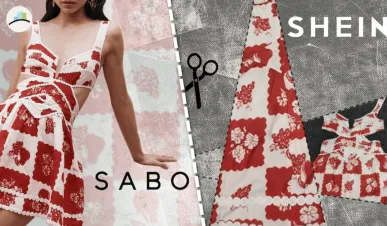
Sydney, Australia: Aussie fashion label Sabo Skirt has launched a legal battle against global retail giants Kmart Australia and Shein, claiming both companies repeatedly copied original designs from its collections a move that has ignited intense industry debate about intellectual property, fast fashion ethics, and creator rights.
Shein and Kmart accused of copying Queensland retailer's designs - Australian Broadcasting Corporation https://t.co/HugPx58sh0
— patesalo (@patesalo_e) March 31, 2026
The lawsuit, filed in the New South Wales Supreme Court, alleges that multiple garments sold by Kmart and Shein are virtually identical to Sabo Skirt’s original designs down to specific details, stitching, and thematic elements and that the brands profited from reproductions without permission or compensation.
What the Lawsuit Claims: Copying Original Sabo Skirt Designs
According to court documents, Sabo Skirt alleges:
- Kmart and Shein repeatedly sold garments nearly identical to its copyrighted designs
- These fast‑fashion pieces included specific design elements, patterns, and silhouettes unique to Sabo Skirt
- Sabo Skirt claims the copies were sold at far lower prices, undercutting its brand and profiting off its creative estate
- The label argues this amounts to intellectual property theft and unfair competition in the fashion marketplace
The lawsuit seeks damages and injunctions preventing further sales of the allegedly infringing items by both retailers.
MORE ARTICLES:
Who Is Sabo Skirt? Background on the Aussie Fashion Label
Founded in 2011, Sabo Skirt rapidly gained a following for its:
✔ Trend‑driven designs
✔ Feminine aesthetic and bold prints
✔ Influencer‑driven marketing and social media reach
The brand became known not only in Australia but globally, with an online following in Europe, the US, and Asia making its designs both widely seen and widely copied in the fast‑fashion world.
Why Kmart and Shein Are Being Targeted
Kmart Australia
The retail giant often praised for affordable everyday clothes is accused of selling items that mirror Sabo Skirt’s runway and collection pieces with only minor tweaks.
Shein
The global fast‑fashion powerhouse has faced similar accusations in recent years from other fashion brands alleging design copying, making this lawsuit part of a broader pattern in the industry.
Fast fashion companies often produce large quantities of inexpensive garments quickly a process critics say relies on replicating original designs without proper licensing or credit. The Sabo Skirt suit brings this issue into the spotlight again.
Industry Reaction: Designers, Lawyers, and Creatives Weigh In
The lawsuit has sparked heated discussion across fashion, legal, and creative communities:
🔹 Fashion designers applaud Sabo Skirt for fighting for creative ownership.
🔹 Intellectual property experts say the case could set a precedent for how smaller brands protect designs.
🔹 Fast fashion defenders argue that design similarities are common and hard to police.
Some commentators stress the broader implications for the industry, including how small designers can protect themselves from global retailers with far more resources and production capacity.
What This Lawsuit Could Mean for Fast Fashion
If Sabo Skirt succeeds, the repercussions may ripple far beyond Australia:
📌 Stronger legal protections for independent designers
📌 Potential payouts or settlements from multinational retailers
📌 More scrutiny on how fast fashion copies runway and indie designs
📌 A blueprint for similar claims by other small fashion brands
Legal analysts say the case may force retailers to rethink how they source and produce designs especially when independent brands claim theft.



