
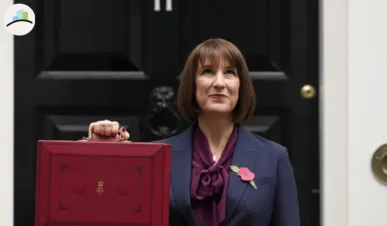
As the UK’s financial situation grows more strained, Chancellor Rachel Reeves used a pivotal speech on November 4 to lay the groundwork for some tough decisions that will soon be in front of the British public. With the next national budget on the horizon, Reeves has signaled the possibility of tax rises to address a £30 billion fiscal shortfall. In her speech, delivered to the nation ahead of the full budget reveal later this month, she didn’t mince words. "We made promises, but there is also the reality of what we must do now."
While the Labour Party had previously promised not to increase taxes for working people, Reeves acknowledged that these promises might need to be adjusted. It was a sobering admission that the British government, under her leadership, would likely need to make tough decisions in order to balance the books. This has raised eyebrows and sparked intense debate about how the government plans to balance fairness, financial responsibility, and the hopes of the public.
What the Speech Really Said: Tax Rises and the Reality of the Economy
Reeves spoke directly to the public, not sugarcoating the economic challenges that lie ahead. With rising inflation, stagnant productivity, and soaring public debt, the government is caught in a bind. While there’s a strong commitment to supporting essential services like the NHS, the government’s budget deficit cannot be ignored.
The Chancellor’s speech hinted that the Labour government might introduce measures such as income tax rises, freezing tax thresholds, or potentially even broadening the tax base to cover more income groups. “The decisions we make now will affect the next generation,” she said, reminding the nation of the long‑term consequences of the choices ahead. However, she stopped short of fully committing to any specific proposals, a move that left many in the audience wondering: How far is too far when it comes to raising taxes?
Her approach was clear: if Labour is to maintain its commitment to public services, it will need to tackle the £30 billion shortfall head‑on. But she was also careful to remind the public that these measures, while necessary, would be painful.
MORE ARTICLES:
Why This Speech Is More Than Just Words: The Bigger Picture
A Clear Signal to the Public
By offering a glimpse into Labour's fiscal plans, Reeves sought to begin the difficult conversation about the financial realities that many in the UK have long avoided. It was a speech designed not to instill fear, but rather to prepare the public for a potential shift in the government’s approach to taxation. Tax rises have been a politically toxic issue, especially in light of Labour’s promises during past campaigns. Yet, with the UK’s public finances in crisis, Reeves was realistic enough to know that these promises might no longer be feasible in their original form.
It wasn’t just about numbers or proposals—it was about shifting the conversation. It’s clear that the government is trying to take a middle‑ground approach: proposing solutions while being transparent about the economic pressures that may require some compromises from the public. The challenge will lie in finding a way to balance tax rises with economic fairness, ensuring that those hardest hit by the cost of living aren’t left bearing the brunt of these measures.
Economic Hardships and Political Calculations
The reality is that any tax rise will be deeply unpopular, but so are spending cuts. The UK government is stuck between a rock and a hard place—either it raises taxes, or it faces deficits that threaten to undermine essential services, from the NHS to social care. In her speech, Reeves said, “These are difficult decisions, but they are necessary for the health of our economy.” How the public responds will determine how easily or painfully these tax changes are implemented.
Politically, the Labour government is also facing a backlash from opposition parties who will likely seize on this moment to criticize the government’s shift away from its previous promises. Expect the Conservatives to highlight these possible tax hikes as evidence of Labour’s inability to keep promises. But as Reeves stated, sometimes the right decision isn’t the popular one—it’s the necessary one.
What to Expect from the Upcoming Budget
As the November 26 budget approaches, all eyes are on the specific proposals Reeves will lay out. Here are some of the key areas to watch for in the upcoming budget:
-
Income Tax Adjustments: Will we see a rise in the income tax rates, or will the thresholds be frozen, pushing more individuals into higher tax bands?
-
National Insurance Changes: Will Labour choose to adjust National Insurance contributions to increase government revenue, especially from those earning above a certain threshold?
-
Wealth and Property Tax: Could there be increased taxation on wealthier individuals or property owners, shifting the burden to those who are most able to afford it?
-
Spending Cuts or Efficiency Measures: While Reeves has made it clear that public services will remain protected, will there be cuts in other areas to reduce spending?
Key Takeaways
-
Rachel Reeves has opened the conversation for the upcoming budget by acknowledging the likelihood of tax rises to balance the UK’s public finances.
-
Labour may need to adjust its previous promises about tax increases, especially on income and National Insurance contributions.
-
The government is attempting to balance its commitment to public services with the reality of fiscal responsibility.
-
The upcoming budget on November 26 will be the deciding moment—how these proposals will take shape, and how the public will react, remains to be seen.



