
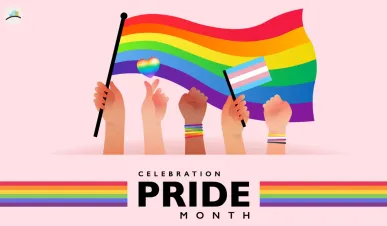
Pride Month 2026 officially begins today, June 1, with cities across the United States launching parades, festivals, concerts, and community events celebrating LGBTQ+ identity and visibility. But this year's Pride arrives at a moment of significant change, as organizers face reduced corporate sponsorships, growing political tensions, and renewed debates over the future of Pride in America.
From New York City and Los Angeles to Houston and Boston, millions are expected to participate in Pride events throughout June. Yet unlike previous years, many organizers say the conversation is shifting beyond rainbow branding and corporate campaigns toward community-focused activism and local engagement.
Is this why so many Pride celebrations across the country are trying to tether onto Juneteenth? They're out of funding on their own? 🧐🤔
— FlameAlchemist🇺🇸 (@FocusedJustice) May 31, 2026
Pride celebrations struggle as corporate sponsorships dry uphttps://t.co/rqsGTbuhYE pic.twitter.com/6ffcqLHEVY
Corporate Pride Faces a Reality Check
One of the biggest stories surrounding Pride Month 2026 is the noticeable reduction in corporate involvement.
Several Pride organizations across the country have reported declining sponsorship revenue as major brands scale back public diversity and inclusion campaigns. Organizers in cities including New York, Pittsburgh, Orlando, and St. Louis have said funding challenges are forcing them to rethink how Pride events are financed and promoted.
Industry analysts say companies are becoming more cautious after facing backlash from both conservative and progressive audiences in recent years. Some brands are maintaining support behind the scenes while reducing public-facing Pride campaigns.
Cities Push Ahead With Larger Pride Celebrations
Despite funding concerns, many cities are preparing for some of their biggest Pride events in years.
Houston has moved its major Pride Parade to the first weekend of June, making it one of the earliest large-scale Pride celebrations in the country this year. Organizers expect thousands of attendees, performers, activists, and community groups to participate in the city's month-long events.
Boston is also drawing attention with the launch of "Pride House," an initiative designed to create welcoming spaces for LGBTQ+ soccer fans ahead of the FIFA World Cup. Organizers say the project reflects a broader effort to connect Pride celebrations with major cultural and sporting events.
MORE ARTICLES:
Pride Month Becomes a Cultural Flashpoint Again
As Pride Month begins, debates around LGBTQ+ rights, representation, and corporate participation continue to dominate social media and public discourse.
Online conversations show growing divisions over what Pride should represent in 2026. While many LGBTQ+ individuals see the month as an important celebration of identity and visibility, others have criticized what they describe as "rainbow capitalism" and performative corporate support.
At the same time, Pride organizers argue that visibility remains important as LGBTQ+ communities continue facing political and social challenges in different parts of the United States and around the world.
Community-Led Pride Gains Momentum
With some corporate funding disappearing, grassroots organizations are stepping into a larger role.
In several cities, local nonprofits, unions, artists, and community groups have increased support for Pride events. Organizers say this shift is helping bring Pride closer to its community roots, with greater emphasis on advocacy, local culture, and direct engagement.
The trend reflects a growing belief among many activists that Pride should focus less on marketing campaigns and more on supporting LGBTQ+ communities throughout the year.
What to Expect This Month
Throughout June, Americans can expect Pride parades, drag performances, concerts, educational programs, sports events, community festivals, and advocacy campaigns taking place nationwide.
Major events are scheduled throughout the month in cities including New York, Chicago, San Francisco, Washington, D.C., Seattle, and Houston. Organizers say attendance is expected to remain strong despite economic and political challenges.
As Pride Month 2026 begins, the celebration is evolving once again—balancing visibility, activism, business interests, and community identity in a rapidly changing cultural landscape.



