
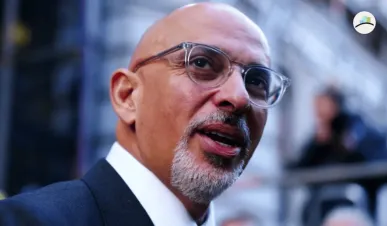
More Than a Defection: What Nadhim Zahawi’s Move to Reform UK Signals for British Politics
London: Former Conservative chancellor Nadhim Zahawi’s decision to defect to Reform UK is being seen less as an isolated political jump and more as a powerful signal of the deep fractures reshaping British politics ahead of the next electoral cycle.
Announced by Reform UK leader Nigel Farage, Zahawi’s move marks the highest-profile Conservative defection to the party so far — and one that carries symbolic weight far beyond party numbers.
A Statement About the State of the Country, Not Just a Party Switch
In framing his decision, Zahawi painted a bleak picture of the UK’s current trajectory, describing the nation as being at a “dark and dangerous” moment. His call for a “glorious revolution” was less about policy specifics and more about tapping into voter frustration around tax pressure, free speech concerns, and economic insecurity.
BREAKING: Former Tory chancellor, Nadhim Zahawi, has defected to Reform UK. Without question the biggest name to defect to Nigel Farage's party to date. pic.twitter.com/lZBFpnfWWv
— Liam Dickson (@LiamUKPolitics) January 12, 2026
By highlighting everyday grievances — from what people can say “down the pub” to the difficulty of earning a living without being squeezed by taxes — Zahawi positioned himself not as a traditional Westminster figure, but as someone aligning with grassroots anger that Reform UK has increasingly sought to mobilise.
Why This Defection Matters for Reform UK
For Reform UK, Zahawi’s arrival represents a strategic breakthrough. Unlike previous defectors, Zahawi brings cabinet-level experience, name recognition, and a track record at the heart of government during turbulent years.
His presence strengthens Reform UK’s claim that it is no longer just a protest movement, but a political force capable of attracting figures who once helped run the country. It also lends institutional credibility to Farage’s effort to broaden the party’s appeal beyond single-issue politics.
A Complicated Conservative Legacy
Zahawi’s Conservative career was marked by both rapid ascent and controversy. From serving as education secretary during the pandemic to becoming chancellor in the final months of Boris Johnson’s premiership, he was often seen as a loyalist operator during a volatile period.
However, his dismissal from the role of Conservative Party chairman in early 2023 following findings related to his tax affairs cast a long shadow over his standing within the party. For some observers, his move to Reform UK represents an attempt at political reinvention after being sidelined within Conservative ranks.
Pressure on the Conservative Party’s Right Flank
Zahawi’s defection underscores the ideological tug-of-war on the British right, with Reform UK positioning itself as the home for voters — and now politicians — who believe the Conservatives have drifted too far from traditional values on taxation, sovereignty, and free expression.
It also raises uncomfortable questions for Conservative leadership about how many more senior figures may feel politically homeless as Reform UK continues to court disillusioned MPs and voters alike.
What Comes Next
While Zahawi is unlikely to immediately transform Reform UK’s electoral fortunes on his own, his move strengthens the narrative that the party is becoming a magnet for political dissent from within the Conservative establishment.
At a time when trust in traditional parties is under strain, Zahawi’s defection may ultimately be remembered less for the man himself — and more for what it revealed about a political system undergoing rapid and unpredictable change.



