
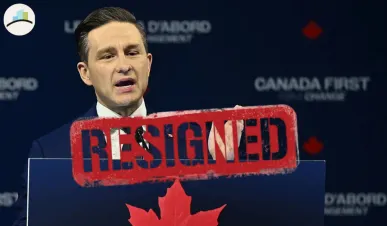
In a surprising turn of events, Pierre Poilievre, a well-known figure in Canadian politics and leader of the Conservative Party, recently announced his resignation from the leadership position. This news shook many across the political landscape, leaving citizens and politicians alike questioning the reasons behind his decision and the future of his party. In this article, we will break down the entire situation surrounding his resignation, explore the possible reasons for his departure, and reflect on what this means for Canada and the Conservative Party.
Who Is Pierre Poilievre?
Before diving into the resignation, let’s take a moment to understand who Pierre Poilievre is and why his role in Canadian politics was so significant. Poilievre became the leader of the Conservative Party of Canada in 2022, after a dramatic leadership race. Known for his sharp wit, unwavering conservative stance, and his ability to connect with the working-class population, Poilievre quickly became a polarizing figure. His leadership style was marked by fierce opposition to Prime Minister Justin Trudeau’s policies, particularly on issues like taxes, government spending, and the economy.
Poilievre, a former finance minister and MP for Carleton, had established himself as a leading voice for conservative values in Canada. Under his leadership, the Conservative Party shifted further to the right, embracing policies that resonated with many Canadians who felt left behind by the mainstream political establishment. His speeches often centered on holding the Trudeau government accountable, fighting inflation, and pushing back against what he considered a growing government overreach. However, his resignation leaves a void in the leadership and raises questions about the future direction of the party.
MORE ARTICLES:
The Resignation Announcement
The news of Pierre Poilievre’s resignation broke suddenly, catching both political pundits and the public off guard. The resignation was announced via a social media post, where Poilievre expressed his gratitude for the support of his colleagues, but stated that he had come to the difficult decision that it was time for him to step down. Poilievre did not provide immediate, clear-cut reasons for his resignation, which led to a flurry of speculation.
As the news spread, many were left wondering what could have prompted such a sudden departure. Was it pressure from within his own party? Or was there a personal issue that led to his decision to resign from one of the most prominent political positions in Canada?
Why Did Pierre Poilievre Resign?
There are several theories surrounding why Poilievre chose to step down, and each one offers a different perspective on the situation. While Poilievre himself has not publicly detailed all of his reasons, a few key factors seem to have played a role:
-
Internal Party Pressure:
Leading a major political party is never easy, and Poilievre faced significant internal pressure from some members of his party. While he was well-supported by a large portion of the Conservative base, particularly those who felt disillusioned with the status quo, others within the party were growing increasingly concerned about his leadership style. Some party members felt that his more extreme rhetoric and combative approach were alienating potential voters and damaging the party’s image, especially in moderate provinces like Ontario and Quebec. Internal party divisions and challenges could have contributed to Poilievre's decision to step aside. -
Electoral Challenges:
Another possible reason for Poilievre’s resignation was the mounting challenges he faced in the lead-up to the next federal election. The Conservative Party was struggling in the polls under his leadership, with many predicting that Poilievre might struggle to unseat the Liberal Party in the 2025 federal elections. His resignation could be a move to allow the party to regroup and choose a leader who may have a better chance of winning the next election. While Poilievre enjoyed strong support among his party’s conservative wing, his ability to appeal to centrist and moderate voters remained in question. -
Personal Reasons:
Like many public figures, Poilievre's personal life may have played a role in his decision. The pressures of leading a major political party, coupled with the toll it can take on personal well-being, may have led Poilievre to take a step back. Political leadership often requires sacrifices, including time away from family and a constant battle with public scrutiny. It’s possible that Poilievre’s resignation was influenced by a desire for more balance in his life, or a recognition that a fresh approach was needed at the helm of the Conservative Party. -
The Need for a New Direction:
In the world of politics, parties often go through periods of self-reflection, especially after difficult elections or leadership struggles. It’s possible that Poilievre, sensing that the Conservative Party was at a crossroads, decided to step down to allow the party to recalibrate. A new leader could bring a fresh perspective, new ideas, and an opportunity to unite the party in a way that could be more effective for future elections.
What Does This Mean for the Conservative Party?
Pierre Poilievre’s resignation marks the end of an era for the Conservative Party of Canada, but it also opens the door for new leadership and potential reform. The resignation brings uncertainty, but it also provides the party with an opportunity to rethink its strategy and leadership structure.
Moving forward, the Conservative Party will likely enter another leadership race, and it’s expected that several prominent figures within the party will throw their hats into the ring. This could be a time for the party to focus on rejuvenating its platform, attracting new voters, and uniting its factions. The next leader will need to address the party’s internal divisions while appealing to a broader electorate that includes both conservative and moderate Canadians.
Looking Ahead: What’s Next for Pierre Poilievre?
While Poilievre’s resignation from the leadership position marks a significant turning point in his political career, it’s not the end of his involvement in politics. As a prominent political figure, Poilievre may continue to play a role in Canadian politics, albeit in a different capacity. Whether he chooses to focus on grassroots political work, take a break from the political spotlight, or even return to a future leadership bid, Poilievre will undoubtedly remain an influential voice in Canadian political discourse.
His resignation may have shocked many, but it’s clear that his career is far from over. Whether he continues to shape the Conservative Party’s future from the sidelines or steps into a new leadership role elsewhere, Pierre Poilievre’s legacy in Canadian politics remains significant.
Conclusion: A Leader’s Exit and the Path Forward
Pierre Poilievre’s resignation has left the political landscape in Canada uncertain, but it also provides a chance for growth and reinvention. While it’s still unclear exactly why Poilievre made the decision to step down, it’s evident that it was a highly considered move, shaped by both personal and political factors. The Conservative Party now faces a new chapter, and Canadians will be watching closely to see who emerges as the next leader, and how that individual will shape the party’s future.
Ultimately, the resignation of Pierre Poilievre reminds us that politics is a dynamic and ever-changing field, and even the most prominent leaders must adapt to the shifting tides of public opinion and party dynamics.



