
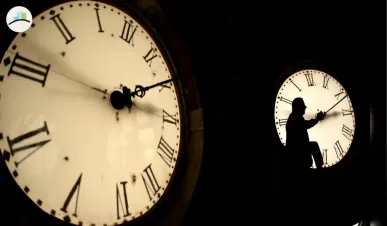
For millions of Americans, changing clocks twice a year has become a familiar routine.
Every spring, clocks move forward. Every autumn, they move back.
But that decades-old tradition could eventually come to an end.
A renewed push in Congress is bringing the debate over permanent daylight saving time back into national attention, with lawmakers considering whether the United States should stop changing clocks twice a year.
The proposal has once again raised a simple question:
Could Americans soon live with the same time all year round?
What Is Happening With the Daylight Saving Time Bill?
The House of Representatives has moved forward with discussions around the Sunshine Protection Act, a proposal that would make daylight saving time permanent nationwide.
Currently, most parts of the United States follow a system where clocks change twice annually:
- Spring: clocks move forward one hour
- Autumn: clocks move back one hour
The proposed legislation would eliminate that change and keep the country on daylight saving time permanently.
However, the proposal still faces the legislative process before becoming law.
A vote or approval step does not automatically mean Americans will immediately stop changing their clocks.
What Is the Sunshine Protection Act?
The Sunshine Protection Act is a federal proposal designed to make daylight saving time permanent.
The idea behind the bill is simple:
Instead of switching between standard time and daylight saving time, the country would remain on one schedule throughout the year.
Supporters argue this would:
- Create longer evening daylight
- Reduce confusion
- Help businesses
- Make schedules easier to manage
The bill has been introduced several times in recent years but has not yet become law.
Why Do Americans Change Clocks Twice a Year?
Daylight saving time was created to make better use of daylight during warmer months.
The idea was that moving clocks forward would allow people to have more daylight during evening hours.
Today, the reasons are debated.
Supporters say it benefits:
- Retail businesses
- Outdoor activities
- Tourism
- Evening recreation
Critics argue the clock change creates disruption and may affect sleep patterns.
Why Are People Asking for Permanent Daylight Saving Time?
The biggest argument behind permanent daylight saving time is convenience.
Many Americans dislike the twice-yearly clock adjustment because it affects:
- Sleep schedules
- Work routines
- School timings
- Travel plans
Supporters believe keeping one time system throughout the year would remove unnecessary disruption.
For many people, the appeal is simple:
No more remembering when to change clocks.
What Are the Arguments Against Permanent Daylight Saving Time?
Not everyone supports the idea.
Opponents argue that permanent daylight saving time could create problems, especially during winter months.
Their concerns include:
Darker mornings
In some regions, sunrise would occur later during winter, meaning children and workers could begin their day before sunrise.
Health concerns
Some researchers have linked clock changes and disrupted sleep patterns with health effects.
Regional differences
The United States covers many time zones and climates, meaning the impact would vary significantly across states.
When Is Daylight Saving Time 2026?
Under the current system, daylight saving time continues in 2026.
The United States is still expected to follow the existing clock-change schedule unless Congress passes and implements new legislation.
The next major clock change depends on the existing daylight saving calendar.
Will Daylight Saving Time Become Permanent?
At this stage, permanent daylight saving time is not guaranteed.
The bill must still pass through the full legislative process before any nationwide change happens.
Even if approved, implementation would require coordination and an official start date.
For now:
Americans should continue changing their clocks according to the existing schedule.
Which States Do Not Follow Daylight Saving Time?
Not every part of the United States changes clocks.
Currently:
- Arizona mostly does not observe daylight saving time
- Hawaii does not observe daylight saving time
Some US territories also follow different rules.
Why This Debate Keeps Returning
The daylight saving debate has continued for years because it affects everyday life.
Unlike many political issues, this one directly impacts:
- Morning routines
- Evening activities
- Family schedules
- Sleep patterns
That is why every new proposal creates widespread public interest.
MORE ARTICLES:
The Bigger Question: More Sunlight or Better Sleep?
The debate ultimately comes down to priorities.
Supporters of permanent daylight saving time want more evening sunlight and fewer disruptions.
Opponents believe standard time better matches the natural rhythm of daylight, especially during winter.
The disagreement is not about whether clock changes are annoying.
Almost everyone agrees they are.
The debate is about which system is better for daily life.
What Happens Next?
Lawmakers will continue debating the proposal before any final decision is made.
Until a new law is passed:
- Clock changes remain
- Daylight saving time continues
- Americans should follow the existing schedule
The possibility of permanent daylight saving time remains an ongoing political and public discussion.
Final Takeaway
The fight over daylight saving time is back again, bringing the possibility of a major change to how Americans experience time.
A permanent daylight saving system could mean no more twice-yearly clock changes, but the proposal still faces hurdles before becoming reality.
For now, the clocks are still changing.
But after years of debate, the question remains:
Will this finally be the year America stops changing time?



