
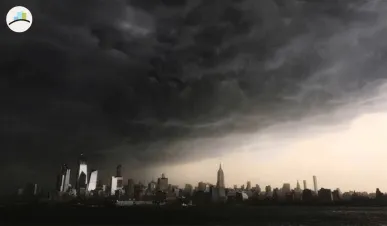
A powerful storm system swept across New York City and the wider Tri-State area, bringing intense rainfall, flash flooding, damaging winds and tornado warnings as millions of residents faced dangerous weather conditions.
Heavy storms caused flooding across parts of New York and New Jersey, disrupting roads, affecting businesses and creating dangerous travel conditions as emergency officials warned residents to remain cautious.
Major flash flooding brought a river onto the road in New York, United States.(August 20)
— Weather Monitor (@WeatherMonitors) August 21, 2026
When are they going to fix the drainage system? pic.twitter.com/iisfAZdx4k
The severe weather event affected communities across New York, New Jersey and Connecticut, with forecasters warning that intense rainfall could overwhelm drainage systems and create sudden flooding in low-lying areas.
The storm also raised concerns about tornado activity, with weather officials issuing alerts as powerful thunderstorms moved through the region.
For residents, the biggest concerns were not only the immediate flooding but also transportation delays, road closures, power disruptions and the possibility of further severe weather.
What Happened in New York City and the Tri-State Area?
The storm brought a combination of dangerous weather conditions, including:
- Heavy rainfall
- Flash flooding
- Strong winds
- Severe thunderstorms
- Tornado warnings
- Dangerous driving conditions
Several areas experienced rapidly rising water levels as intense rain fell over a short period.
In Queens, flooding affected roads and businesses, leaving some drivers stranded as water accumulated across affected areas.
Across the wider region, emergency officials warned residents that urban areas were particularly vulnerable because drainage systems can struggle to handle extremely heavy rainfall in a short period.
Why Was the Storm Dangerous for NYC?
New York City faces unique flooding challenges because of its dense urban environment.
Unlike rural areas where water can spread naturally into open land, cities have:
- Large areas of concrete and asphalt
- Limited drainage capacity
- Underground infrastructure
- Low-lying streets
When intense rainfall arrives quickly, water can accumulate faster than drainage systems can remove it.
This creates flash flooding risks, especially in:
- Underpasses
- Subway entrances
- Low-lying roads
- Basement properties
- Areas near waterways
Previous storms have shown how quickly heavy rain can disrupt transportation and daily life across the city.
Flooding Hits Roads and Communities
One of the biggest impacts from the storm was flooding.
Residents reported water covering roads, affecting vehicles and creating difficult conditions for commuters.
In Queens, flooding disrupted traffic and affected local businesses as heavy rain moved through the area.
Drivers faced increased risks because floodwater can hide road hazards and make vehicles difficult to control.
Authorities repeatedly warn motorists:
Do not drive through flooded roads.
Even shallow-looking water can be dangerous because:
- Vehicles can lose control
- Engines can fail
- Water depth can be misleading
Tornado Warnings Issued During Severe Storms
The storm system also brought tornado concerns across parts of the Northeast.
Weather officials issued tornado-related alerts as powerful thunderstorms developed across the region.
Tornado warnings are issued when weather conditions suggest that a tornado may be occurring or is strongly possible.
Residents are advised to:
- Move indoors immediately
- Stay away from windows
- Monitor official weather alerts
- Avoid unnecessary travel
While tornadoes are less common in New York City compared with parts of the Midwest, severe thunderstorms can still produce damaging winds, rotating storms and isolated tornadoes.
Which Areas Were Most Affected?
The storm affected communities across the Tri-State region, including:
New York
Areas affected included parts of:
- New York City
- Queens
- Long Island
- Surrounding metropolitan areas
New Jersey
Parts of New Jersey faced:
- Flooding risks
- Heavy rainfall
- Dangerous driving conditions
Connecticut
Some areas also faced severe thunderstorm risks and weather warnings.
The Tri-State region is especially vulnerable because millions of people travel daily across connected transportation networks.
Travel Disruptions and Transportation Risks
Severe storms often create major problems for commuters.
Possible disruptions include:
- Road flooding
- Traffic delays
- Flight disruptions
- Public transportation delays
- Reduced visibility
Heavy rain can affect airports, highways and rail systems because flooding can interfere with infrastructure.
Commuters were advised to check travel conditions before leaving and avoid unnecessary journeys during the worst conditions.
Why Are Flash Floods Becoming a Bigger Concern?
Flash flooding is one of the most dangerous weather events because it develops quickly.
Unlike traditional flooding that may build over days, flash floods can occur within minutes or hours after intense rainfall.
The biggest risks include:
1. Fast Water Rise
Water levels can increase rapidly in streets and low areas.
2. Limited Warning Time
Residents may have little time to react.
3. Dangerous Travel Conditions
Roads that appear passable may become unsafe.
4. Infrastructure Pressure
Drainage systems can become overwhelmed.
What Should New York Residents Do During Flood Warnings?
Emergency officials recommend:
Avoid Flooded Roads
Never attempt to cross flooded streets.
Stay Updated
Follow:
- National Weather Service alerts
- Local emergency announcements
- Official city updates
Prepare Your Home
Residents in flood-prone areas should:
- Move valuables away from basements
- Secure outdoor items
- Keep emergency supplies ready
Avoid Unnecessary Travel
During severe storms, staying indoors is often the safest option.
How Climate and Urban Development Increase Flood Risks
Extreme rainfall events have become a growing concern for many major cities.
Urban environments are especially vulnerable because:
- Concrete prevents water absorption
- More rainfall flows directly into drainage systems
- Older infrastructure may struggle with extreme weather
This does not mean every storm is caused by climate change, but scientists have warned that warmer conditions can influence rainfall intensity and extreme weather patterns.
Storm Damage and Recovery Efforts Begin
As storms move away, authorities typically shift focus toward:
- Inspecting damaged areas
- Clearing blocked roads
- Restoring normal transportation
- Assessing property damage
Emergency crews often remain active after severe storms because flooding can continue even after rainfall stops.
MORE ARTICLES:
Why This Storm Matters for Millions of People
The New York City storm is not only a weather story.
It affects:
- Daily commuters
- Business owners
- Travelers
- Homeowners
- Emergency workers
For millions living in the Tri-State area, severe weather can quickly impact everyday life.
A single storm can create:
- Hours of travel disruption
- Property damage
- Safety risks
- Emergency responses
That is why weather alerts and preparation remain important.
Key Takeaways
- Severe storms hit New York City and the Tri-State area.
- Heavy rain caused flooding in parts of the region.
- Tornado warnings were issued during the storm system.
- Roads and businesses were affected by rising water.
- Residents were warned about dangerous travel conditions.
- Emergency officials advised people to monitor updates and avoid flooded areas.



