
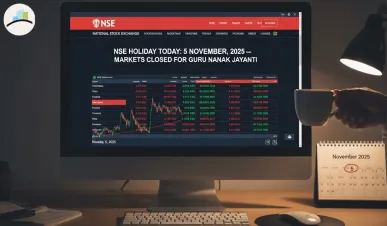
NSE Holiday Today: A Break for Guru Nanak Jayanti — What’s Next for Traders?
For traders, investors, and market enthusiasts, it’s essential to keep an eye on holidays that affect market hours. Today, November 5, 2025, marks one of the significant holidays in the Indian stock market calendar — Guru Nanak Jayanti. Both the National Stock Exchange (NSE) and the Bombay Stock Exchange (BSE) are closed for the day to observe this important cultural and religious festival.
While this holiday might seem like a brief pause in the hustle of market trading, it brings up questions about what happens when the market is closed, and what you can do during this time. For those who’ve been planning trades, checking on investments, or setting up new strategies, it’s important to understand how these pauses work in the world of stock trading and what comes after the holiday break.
MORE ARTICLES:
Why Do Market Holidays Matter?
Market holidays, like today’s closure, may seem like a small thing, but they play a significant role in how global financial systems run. For traders and investors, these breaks provide a chance to take a step back, evaluate their portfolio, and rethink their strategy. It’s a reminder that markets aren’t just numbers — they’re about people, communities, and moments that shape our financial decisions.
Guru Nanak Jayanti, a day that celebrates the birth of Guru Nanak, the founder of Sikhism, is a major holiday across India. While the markets remain shut in observance, it gives traders a chance to reset and consider the bigger picture of their investments, rather than getting swept up in the fast pace of daily trading.
What Happens on Stock Market Holidays?
When the markets close for a holiday, all regular trading activity pauses. This means no buying or selling of stocks, no derivatives trading, and no new transactions taking place on the NSE or BSE. This doesn’t just apply to stocks — currency and commodity markets are also affected. But what happens in practice when the market is closed?
-
Pending orders: Any orders that were placed in the market before the holiday will remain open until the market reopens. For traders who set limit orders or stop losses, those won’t be executed until the market resumes.
-
Settlement delays: Trades that were supposed to settle today will be pushed to the next business day. This may affect clearing houses, brokers, and custodians that handle post-trade transactions.
-
Market Volatility: Sometimes, after holidays, the market can open with a burst of activity, especially if there has been significant news or global events while the market was closed. For some investors, this might be a good time to look for opportunities, while for others, it’s a chance to carefully analyze market trends before acting.
While you may not be able to make any trades today, it’s a good opportunity to review your investment strategy, evaluate your portfolio performance, and look for trends that might emerge when markets open again.
Looking Ahead: What’s Coming Next in the NSE Holiday Calendar?
The NSE holiday calendar for 2025 includes several other key dates when the market will remain closed. These closures are spaced out throughout the year and are mostly in line with Indian public holidays or religious observances. Here are a few important upcoming market holidays:
-
Maha Shivratri: February 26, 2025
-
Good Friday: April 18, 2025
-
Independence Day: August 15, 2025
-
Diwali: October 21, 2025 (with a special short session for Muhurat trading)
-
Christmas: December 25, 2025
If you’re a frequent trader or investor, it’s crucial to keep track of these dates. They can affect your ability to act quickly in the market, especially around major events like quarterly earnings announcements or global economic news.
By knowing the dates of market holidays ahead of time, you can plan for better decision-making — and avoid frustration when your orders are pending or unable to execute.
How Can You Make the Most of Market Holidays?
While the market may be closed, it doesn’t mean your trading strategy should stop completely. Here are some ways you can use market holidays productively:
-
Research: Take the opportunity to dig into financial reports, news, and trends. Look into potential stocks to invest in, or reevaluate your current investments.
-
Long-term Strategy: For long-term investors, a holiday might be the perfect time to refocus on the bigger picture rather than worrying about daily fluctuations.
-
Review Performance: Look back at your portfolio’s performance, identify areas for improvement, and consider how current market conditions could affect your next move.



