
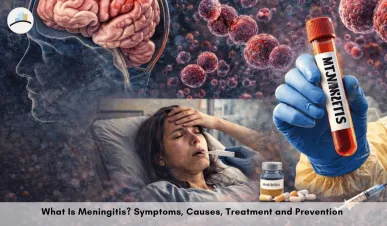
🧠 Meningitis B: Symptoms, Vaccines, Who Is at Risk — and the Live Outbreak in Kent Explained
United Kingdom | 17 March 2026
Sources: UK Health Security Agency (UKHSA), NHS, Meningitis Now, Meningitis Research Foundation, Science Media Centre, Public Health Agency Northern Ireland, Scientific American, University of Oxford
⚠️ URGENT NOTICE: There is a live, ongoing outbreak of meningococcal disease — confirmed as Meningitis B (MenB) — in Canterbury, Kent. As of 17 March 2026, 13 cases have been confirmed and two people have died, including a university student and a sixth-form pupil. If you or someone you know visited Club Chemistry in Canterbury on 5, 6 or 7 March 2026, seek preventative antibiotic treatment immediately. Do not wait for symptoms.
What Is Meningitis B?
Meningitis is a serious condition where the protective layers — known as the meninges — around the brain and spinal cord become inflamed. It has many causes, including bacteria, viruses, and fungi. In the UK, most cases are due to bacteria or viruses. Some of the bacteria that cause meningitis can also lead to septicaemia (blood poisoning), and both conditions can result in sepsis, which is life-threatening.
Meningitis B, or MenB, is now the most common form of bacterial meningitis in the UK — accounting for over 80% of invasive infections — since vaccination has made other strains far rarer. Group B bacteria are not a single strain but encompass many different forms of meningococcal B bacteria.
In the last ten years, about 90% of cases of meningococcal disease in the UK were caused by group B infections. Before the MenB vaccine was introduced, around 600 people a year in the UK — mainly babies and children — were infected by MenB. About 10% of those cases were fatal. Goodreturns
'If you feel unwell it is important to seek early health advice'
— BBC Breakfast (@BBCBreakfast) March 17, 2026
On #BBCBreakfast Dr Gayatri Amirthalingam from the UK Health Security Agency revealed Meningitis B, known as MenB, is the strain behind outbreak of cases in Kent which has killed two students, with another 11 in… pic.twitter.com/yJEof5yS8f
The Kent Meningitis Outbreak: What We Know
The UK Health Security Agency is continuing to investigate an outbreak of meningococcal disease in Kent, with 13 cases notified since 13 March 2026. Sadly, this includes two people who are known to have died. Investigations have confirmed that some of the cases visited Club Chemistry in Canterbury between 5 and 7 March prior to becoming unwell. UKHSA's health protection team is working closely with the nightclub and partners including the University of Kent to limit the spread.
Meningitis B has been confirmed as the strain behind this fatal outbreak — a type of the disease that most people in this age group have not been vaccinated against. Most people received the MenACWY vaccine during childhood, protecting them against strains A, C, W, and Y. However, routine vaccination against strain B was only rolled out after 2015, meaning earlier generations are not immune.
Who Should Come Forward Right Now
UKHSA is advising anyone who visited Club Chemistry on 5 March, 6 March, or 7 March to come forward for preventative antibiotic treatment as a precautionary measure. Advice has been issued to 16,000 staff and students at the University of Kent, where antibiotics are also being offered to those who need them.
Antibiotic tablets are offered to people who do not have symptoms, as a precautionary measure. People who live on the University of Kent campus at Canterbury are also eligible. No booking is needed and you do not need to bring ID, but bring your NHS number if you have it.
Is the Rest of the UK at Risk?
The Public Health Agency is aware of the meningitis outbreak recently reported in South East England. The UKHSA is leading the response and there is no increased risk to the population in Northern Ireland. However, it is important for everyone to be aware of the signs and symptoms of meningitis and the steps to take if they are concerned.
For the general public in Kent or across the UK, the overall risk remains very low. The people at highest risk are usually close contacts of cases — people living together, close friends, or those sharing social spaces with prolonged contact. So while this is a serious cluster that requires urgent investigation and control measures, it does not mean there is a widespread risk to the whole population.
Other Stories-
-Abu Dhabi Missile Intercept Latest: Pakistani Civilian Killed as Iran‑Linked Attacks Escalate
-Vishwanath and Sons Teaser Released: Suriya’s New Family Drama with Venky Atluri
Symptoms of Meningitis B: Know the Warning Signs
It is important to know the signs and symptoms, which can happen in any order and may not all be present. Early symptoms — such as vomiting, fever, aches, muscle pain, cold hands and feet, and headaches — can look similar to common illnesses like colds or flu.
Full List of Symptoms to Watch For
Symptoms of meningitis and septicaemia can include: a rash that does not fade when pressed with a glass; sudden onset of high fever; severe and worsening headache; stiff neck; vomiting and diarrhoea; joint and muscle pain; dislike of bright lights; very cold hands and feet; seizures; confusion or delirium; and extreme sleepiness or difficulty waking.
The Glass Test — The Most Important Sign
The most important sign to look out for is a red or purple 'bruised' or blotchy rash on skin that does not fade under pressure — do the glass test. On dark skin, check inside the eyelids or roof of the mouth where the spots may be more visible.
In Babies and Young Children
MenB most commonly affects children under the age of one, causing symptoms including fever, poor feeding, vomiting, and lethargy. It can also cause septicaemia, which can lead to the telltale purple rash.
Why Symptoms Are Easy to Miss
Early symptoms can often be confused with other illnesses such as a cold, flu, or hangover, and students are particularly at risk of missing the early warning signs.
Symptoms can appear suddenly and may resemble flu at first, but severe headache, fever, neck stiffness, confusion, or a rash that doesn't fade under pressure are important warning signs. With prompt medical care, outcomes are generally good and long-term complications are far less common than they once were.
What to Do If You Suspect Meningitis
If you or someone you know develops symptoms of meningitis or septicaemia, seek medical help urgently by going to the nearest Accident and Emergency department or calling 999. If a friend goes to bed unwell, check on them regularly. Early treatment can be lifesaving. You can also contact your GP or call NHS 111 if you are concerned.
If you notice a friend exhibiting any concerning signs — especially rapid worsening over hours — take them seriously.
Meningitis B Treatment
Hospital treatment is recommended by the NHS for all cases of bacterial meningitis. Treatments include antibiotics and fluids administered directly into a vein, oxygen if there are breathing difficulties, and in some cases steroid medication to prevent swelling around the brain. Patients may need to stay in hospital for a few days or weeks. In cases of mild meningitis, patients may be sent home if tests confirm it is viral, which usually gets better on its own. Most patients start to feel better within seven to ten days.
Who Is Most at Risk?
Although anyone can get meningitis, it is most common in babies, young children, teenagers, and young adults.
According to Meningitis Now, one in four 15 to 19-year-olds carry meningococcal bacteria in the back of their throats, compared with one in ten of the UK population. People can carry this harmlessly without becoming unwell, but it can be passed from person to person by coughing, sneezing, and kissing. Increased social interaction in this age group means the bacteria can be passed on more easily. In universities, students can be more vulnerable because of living in more cramped housing or halls of residence. Young people also come together from all over the world to live, study, and socialise.
Teenagers and young adults are a recognised higher-risk group for meningococcal disease. That is partly because many people in this age group carry the bacteria in the nose or throat without symptoms, and it spreads through close contact such as coughing, kissing, or sharing drinks. University environments — halls of residence, parties, and large social networks — create conditions where the bacteria can spread more easily.
The MenB Vaccine: What You Need to Know
The NHS Schedule for Babies
The MenB vaccine helps protect children against bacterial infections caused by meningococcal group B bacteria. Children are offered three doses of the MenB vaccine as part of the NHS vaccination schedule — at 8 weeks, 12 weeks, and 1 year old.
The vaccine is called Bexsero and has been used in the UK routine immunisation programme for babies since 2015, leading to a 75% reduction in MenB infections for vaccinated groups.
The Critical Gap: Teenagers and Young Adults
Significant gaps remain: anyone born before 2015 is largely unvaccinated against MenB unless they have paid privately, and no NHS MenB booster is currently available for adolescents. The Joint Committee on Vaccination and Immunisation (JCVI) has so far concluded that routine MenB vaccination for teenagers is not cost-effective — a position that remains the subject of intense debate.
If you are a teenager or young adult born before 1 May 2015, you will not have received the MenB vaccine as part of the NHS schedule.
The MenACWY Vaccine
The MenACWY vaccine offers protection against four types of bacteria that can cause meningitis: meningococcal groups A, C, W, and Y. The vaccine is offered to teenagers aged 14 years old.
Any young person who has missed this vaccine at school remains eligible to receive it up to the age of 25 years. This is especially important for new university entrants, for whom the risk of contracting meningococcal disease increases.
Can Adults Get Vaccinated?
Adults can have a vaccination for meningitis. This might be recommended for someone who has a damaged spleen, for example, or if the adult is travelling to or planning to live in a country with high rates of meningitis. Adults not covered by the NHS schedule can access the MenB vaccine privately through travel clinics, private GP practices, and some pharmacies.
Complications of Meningitis B
Suffering from meningitis can cause complications including hearing loss or vision loss, which may be partial or total. It is estimated that up to 10% of bacterial meningitis cases are fatal.
The disease has the capability of leading to permanent nerve or brain damage, as well as potentially leading to a life-threatening sepsis infection — all of which highlights the need for rapid and effective treatment.
Key Contacts and Resources
Emergency (life-threatening symptoms): Call 999 immediately Non-emergency concerns: Call NHS 111 or visit your GP Kent outbreak antibiotic clinics: Gate Clinic, Kent and Canterbury Hospital, Ethelbert Road, Canterbury CT1 3NG University of Kent: Senate Building, CT2 7NZ — open 9am to 8pm, 17 March 2026 Meningitis Now helpline: 0808 80 10 388 Meningitis Research Foundation: 080 8800 3344
This article is based on verified information from the UK Health Security Agency (UKHSA), NHS, Meningitis Now, Science Media Centre, Public Health Agency Northern Ireland, the University of Oxford Vaccine Knowledge Project, and Scientific American. Last updated: 17 March 2026.



