
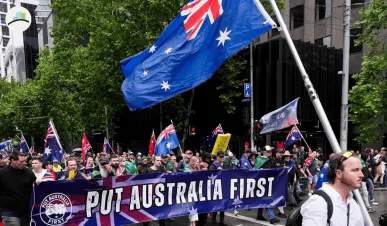
Melbourne is once again at the center of major protests, capturing headlines and sparking heated debate nationwide. Thousands of demonstrators have taken to the streets, driven by international conflict, rising tensions over human rights, and deep frustration with how global violence echoes at home. Today’s protests are more than just a crowd they’re a flashpoint in Australia’s political landscape, backed by calls for fairness, peace, and accountability.
Here’s the full picture what’s happening, why it matters, and where this could all lead.
Huge turnout in Naarm/Melbourne again tonight, despite the police brutality in NSW on Monday, to protest Isaac Herzog’s tour of Australia. There's also a staggering amount of cops in town not arresting a war criminal. pic.twitter.com/asoYR7remu
— David Milner (@DaveMilbo) February 12, 2026
Melbourne Protests Today: What’s Going On?
Protesters flooded key areas of Melbourne’s CBD today as Israeli President Isaac Herzog continued his controversial visit to Australia. The massive demonstrations were planned long before his arrival, drawing on long‑standing global tensions about the Middle East conflict and demands for justice and accountability. Estimates suggest that thousands of people gathered to make their voices heard, waving banners, chanting slogans, and pushing for change.
Victoria Police have been out in force, setting up barricades on major roads and in front of event venues to separate protesters from official engagements and to maintain order.
The protests are not isolated similar events have already occurred in Sydney and Canberra, where police interventions and scuffles were reported earlier this week.
Why are People Protesting in Melbourne?
At the heart of today’s Melbourne rallies are deep emotions over global events — particularly the Israeli‑Palestinian conflict, allegations of war crimes, and general frustration with world leaders. Many protesters feel international outrage shouldn’t be divorced from Australian discourse, but they also argue that demonstrations must stay peaceful and not target local communities or residents of particular backgrounds.
Amid the rallies, some carried signs accusing world leaders of serious wrongdoing and demanding action from global institutions. This reflects broader debates about human rights, justice, and Australia’s role on the international stage.
Security and Police Response
Victoria Police have been given extra powers to control large crowds under public safety laws. Officers have cordoned off key protest sites — including streets leading to Government House and Southbank to prevent disruption to official events.
These measures reflect authorities’ attempts to balance freedom of expression with public safety, especially after incidents in other states where police and protesters clashed.
MORE ARTICLES:
A Peaceful Protest or a Tipping Point?
So far, the majority of the Melbourne demonstrations have remained largely peaceful, even as emotions run high. Protesters and authorities have generally maintained respectful distance thanks to barricades and policing strategies.
But the scale and intensity of today’s rallies have many wondering:
Could this become a turning point in Australian protest movements?
With rising tensions globally, the Melbourne protest may well influence political debates, community relations, and even policy decisions.
How This Echoes Recent Headlines
This wave of protests comes amid global coverage of humanitarian concerns and reactions to international conflicts. The broad public interest in these issues has fueled discussions and divisions across social platforms, news outlets, and communities nationwide.
Public sentiment isn’t monolithic. Some argue that condemnation of international atrocities must be balanced — without unfairly targeting Australians or specific communities at home. That idea has been emphasized by thought leaders and writers who stress the importance of peaceful protest and mutual respect within Australia’s diverse society.
What Might Happen Next?
With protests continuing across the country and public pressure mounting, this movement could have long‑term effects:
-
Political leaders may be pushed to clarify foreign policy positions related to the Middle East.
-
Community leaders could work toward dialogue and unity rather than division.
-
Authorities may review protest and public safety rules in major cities.
No matter what happens next, Melbourne’s protest today signals a pivotal moment in Australia’s public discourse one that’s about justice abroad and cohesion at home.



