
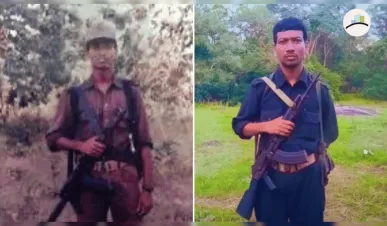
New Delhi / Chhattisgarh / Odisha, November 2025 — The shadowy Naxal commander Madvi Hidma, long considered one of the most dangerous and elusive Maoist leaders in central India, is under intense pressure. Over recent months, security forces have moved decisively — but the situation remains complex, with new developments sparking both hope and confusion.
Who Is Hidma & Why He Matters
-
Hidma (also spelled Madvi Hidma) is a tribal Maoist leader based in Chhattisgarh’s dense forests. He rose to become a commander in the People’s Liberation Guerrilla Army (PLGA), leading its notorious Battalion No. 1.
-
He has been linked to several major Naxal ambushes, including the 2013 Jhiram Valley massacre.
-
Known for his guerrilla tactics and strong tribal connections, his leadership has long posed a significant challenge to the State’s counter‑insurgency efforts.
MORE ARTICLES:
What Really Happened: His Arrest, Not Death
-
Arrest in Odisha
-
On 29 May 2025, Hidma was captured during a joint operation by the Koraput District Police and the District Voluntary Force (DVF) in Odisha’s Petaguda forest.
-
According to reports, security forces seized an AK-47 rifle, around 35 live rounds, electric and non-electric detonators, walkie-talkies, and Maoist literature from his camp.
-
Authorities say Hidma resisted, firing on cops before being detained, marking a significant win for anti-insurgency forces.
-
-
Major Planned Offensive Against Him
-
Even before his arrest, security agencies had reportedly planned a “big operation” targeting Hidma’s stronghold in Bastar, citing his leadership of a lethal Maoist unit.
-
According to officials, the operation would involve multiple forces — CRPF, DRG, STF — and focus on villages in Sukma, Narayanpur, and Bijapur, areas where Hidma’s influence remains strong.
-
Sources suggest his battalion (No. 1) had over 150 armed cadres, making him a key target for security forces.
-
Why This Is a Big Deal
-
Strategic Blow to Maoists: Hidma was not just any cadre — he commanded one of the most feared fighting units. His arrest disrupts the Maoist chain of command.
-
Tactical Victory: Seizing his weapons and explosives stockpile is a concrete gain; it weakens his ability to launch attacks.
-
Symbolic Importance: For the government, capturing a leader of Hidma’s stature fulfills a long-standing objective in its broader anti-Naxal strategy.
But Not Everything Is Clearcut
-
Some confusion remains about his status. There are no confirmed reports of his death, despite rumors on social media claiming he was “eliminated.”
-
The Maoist network is notoriously resilient. Even with his capture, other leaders and cadres could regroup or attempt to maintain their presence in affected regions.
-
Questions linger about whether his arrest indicates cracks within the Maoist ranks, or simply a temporary setback.
What Comes Next
-
Interrogation & Intelligence: Security forces will likely try to use Hidma’s arrest to gain intelligence on Maoist infrastructure, funding, and safe havens.
-
Leadership Vacuum: Maoists may scramble to appoint a successor, but replacing someone with Hidma’s battlefield reputation will not be easy.
-
Sustained Operations: Expect follow-up operations — the government may intensify pressure in Bastar and Odisha to further weaken Maoist capacity.
-
Peace vs. Conflict: While capture of such a key figure could push toward weakening the insurgency, the root issues — tribal rights, land, development — remain. Long-term peace will require more than just tactical victories.
Bottom line: The arrest of Madvi Hidma marks a major turning point in India’s anti‑Maoist campaign. But while it’s a significant tactical win, the fight is far from over. For security forces, it’s a chance to strike hard. For Maoists, it’s a test: can they adapt without one of their most feared leaders?



