
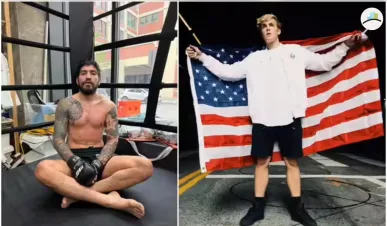
Paul Brothers Clash Over Bad Bunny’s Super Bowl Halftime Show
Jake Paul’s Boycott Call Sparks Backlash — Logan Paul and Dillon Danis Push Back
In the lead-up to Super Bowl LX on February 8, 2026, boxing-turned-social-media star Jake Paul ignited fresh controversy by urging fans to boycott Bad Bunny’s halftime show, prompting rare public disagreement from his brother Logan Paul and a pointed rebuke from MMA figure Dillon Danis.
Jake Paul, who lives in Puerto Rico, took to X (formerly Twitter) hours before kickoff to call on viewers to “purposefully turn off the halftime show” when Puerto Rican artist Bad Bunny takes the stage. Paul labeled Bad Bunny a “fake American citizen performing who publicly hates America,” and tied his opposition to broader corporate and cultural grievances, arguing fans should use viewership as leverage over major entertainment platforms.
However, the backlash to Jake’s boycott call was swift and notable.
Logan Paul, the older Paul brother and fellow influencer, publicly distanced himself from the boycott narrative, affirming that he disagreed with his sibling’s framing. Logan emphasized that Puerto Ricans are Americans and expressed support for showcasing talent from the island on one of the NFL’s most-watched stages. His comments shifted part of the public discourse from boycott rhetoric toward questions of identity and representation.
Mixed martial artist Dillon Danis, long associated with Paul-family social media feuds, also piled on, criticizing Jake Paul’s stance as hypocritical. Danis pointed out that Paul’s residency in Puerto Rico — often discussed as a tax-related move — undercuts his bid to condemn a Puerto Rican artist’s participation in the halftime spectacle. Danis’ comments highlighted perceived contradictions in Paul’s position, intensifying debate among sports and pop-culture audiences.
Jake Paul and Logan Paul Split Over Bad Bunny’s Super Bowl Halftime Showhttps://t.co/YE67YZiUXj
— billboard (@billboard) February 9, 2026
The backlash reflects broader debates testing cultural lines at the intersection of sports and entertainment. Bad Bunny’s performance itself, historically notable as part of the NFL’s inclusive programming push, has drawn both praise and criticism from public figures beyond the Pauls. Some conservative commentators and former political leaders have described the choice of Bad Bunny as controversial or inappropriate for the Super Bowl platform — though others have celebrated the show as a milestone for Latin representation on the world stage.
As the halftime show unfolded with millions watching, the division between boycott calls and defenses of cultural diversity underscored how even entertainment events like the Super Bowl can become flashpoints for broader cultural conversations.



