
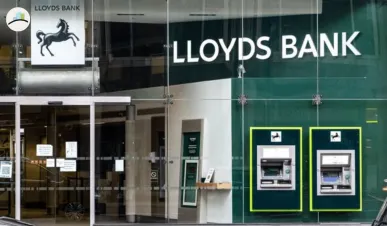
Lloyds Bank Customer Stuck With £900 HMRC Cheque After Post Office Deposit Rule Change Locks Out Rural Users
A North Cornwall woman's inability to deposit a government-issued cheque that is neither scannable nor accepted at her local Post Office illustrates a gap in Lloyds Banking Group's digital-first policy that affects millions.
London, May 14, 2026 — A Lloyds Banking Group customer from rural North Cornwall has been left unable to deposit a £900 cheque issued by HM Revenue and Customs after a January 2026 rule change ended the bank's cheque deposit service at Post Office counters and the cheque's perforated edges make it incompatible with the bank's mobile app scanning function.
Annabel Yates was told at her local Post Office branch that Lloyds Banking Group customers can no longer deposit cheques through the Post Office. She was also unable to use the bank's mobile cheque scanning service because the HMRC cheque's perforated edges rendered it unscannable.
Speaking to the BBC, Ms Yates said the bank's policy risks "disenfranchising the rural population" and called for a reversal of the decision. She added: "I think the bank's theory is that everything could be done on an app, and that's just not always the case. Back in the day, Lloyds' ethos was to make banking easy."
What Changed and When
Lloyds Banking Group, which operates under the Lloyds, Halifax, and Bank of Scotland brands and serves approximately 28 million customers, implemented the withdrawal of Post Office cheque deposit services in January 2026. Customers can still withdraw and deposit cash at Post Office branches and banking hubs, but the counter cheque service has been removed.
A Lloyds spokesperson said: "Most customers use our app as the easiest way to pay in a cheque, by taking a photo on their phone and letting us take care of the rest. Very few customers were choosing to deposit cheques at the Post Office and we've introduced a new freepost cheque service for those that need it."
According to the banking group, cheque usage in Britain has been in sustained decline, making up around 0.1 per cent of all payments in 2024.
A Double Blow: Branch Closures Happening Simultaneously
The rule change has not occurred in isolation. The banking group has committed to closing 95 additional branches, supplementing 49 closures already scheduled for completion by October 2026. Between May 2026 and March 2027, the group will close 53 Lloyds locations, 31 Halifax branches, and 11 Bank of Scotland sites, leaving just 610 branches remaining once all previously announced closures are complete.
Consumer group Which? has calculated that Lloyds Banking Group has shuttered 1,470 sites over the past ten years. Jenny Ross, Which? Money Editor, said: "This announcement is a reminder that branches are still under threat and it's clear that banking hubs will play a big role in how we manage our money. However, not all hubs provide the same services, meaning some customers can still be forced to travel long distances to access the services they need."
Personal finance expert Andrew Haggar of MoneyComms warned that the combined impact falls hardest on small businesses: "It's a double whammy for customers, with all the closures. For a small business, this is just not practical. When closing down branches, safety nets should be in place."
Regulatory and Political Pressure
Devon County Council's Cabinet Member for Rural Affairs, Councillor Cheryl Cottle-Hunkin, has written to the Prime Minister with cross-party support from all group leaders at Devon County Council, requesting that the government engage with Lloyds Banking Group to reverse the decision, ensure rural banking access standards are upheld in line with financial inclusion commitments, and accelerate the rollout of banking hubs.
Councillor Cottle-Hunkin stated: "This is not simply a matter of convenience. It is about fairness, accessibility, and sustaining rural economies." She noted that over 50 per cent of Devon's population lives in rural areas, and that many residents lack access to public transport to reach an alternative branch.
The Ms Yates case crystallises the policy's unresolved flaw: while Lloyds' digital alternatives work for the majority, they fail specifically when the cheque itself in this case, issued by a government body is physically incompatible with scanning. That scenario has not been officially addressed by Lloyds Banking Group as of publication.
Cash access network Link has announced 14 new banking hub locations to help protect cash access across the country. Whether these hubs will be equipped to handle cheque deposits has not been officially confirmed by Lloyds Banking Group.



